
how to plant tulip bulbs
When selecting tulip bulbs, look for ones that are plump, firm to the touch, and free of mold spots. Many gardening enthusiasts are unaware that in warmer climates, you can wrap the bulbs in newspaper and chill them in the refrigerator's crisper drawer (at 4–9°C) for one to two weeks. This "artificial winter" stimulates the bulb; once small white roots emerge, you can switch to hydroponics with a much higher success rate. For hydroponic growing, ensure the water level just touches the roots; do not submerge the bulb itself, or it will rot. Change the water every 5–7 days to keep it clean. As for nutrients, a general-purpose hydroponic nutrient solution is sufficient. Adding a few drops each time you change the water allows the plant to absorb nutrients, resulting in lush green leaves and sturdy flower stalks.
Related posts

wild raspberry
The bounty of nature ensures that even in the chilly winter, there can be abundant fruits
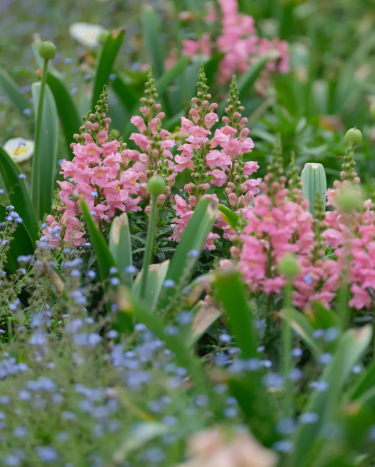
Goldfish grass is a colorful girl's dream
To make the goldfish grass burst in the pot, the core is sufficient light, timely heart picking, frequent application of thin fertilizer, and post flower prunin…

goldfish plant
Antirrhinum majus L. is a perennial herbaceous plant in the Scrophulariaceae family, native to the Mediterranean region. It is named after its flower shape rese…

california lilac plants
Scientific name: Ceanothus, commonly known as California Lilac in English, although its name contains the word "lilac", it does not actually belong to the true…
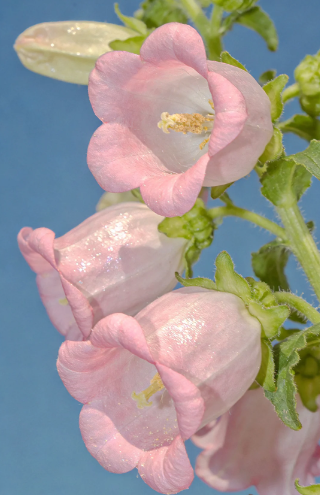
campanula plant
Windbell grass is a biennial perennial herbaceous plant, also known as hanging bell flower or tile tube flower. Its flowers are bell shaped and resemble wind ch…
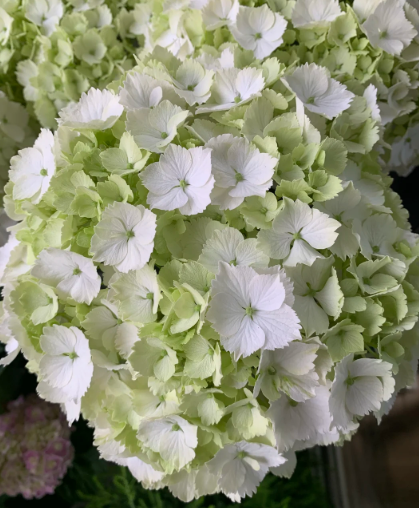
white hydrangea
White hydrangea is a very popular ornamental flower in summer, with a full flower shape and pure color, suitable for both courtyard planting and fresh cut flowe…