An thaly

An thaly

anthaly88@gmail.com

37 条内容0 Followers0 Following

Shared Content

white hydrangea​
#anthaly#flower

white hydrangea​

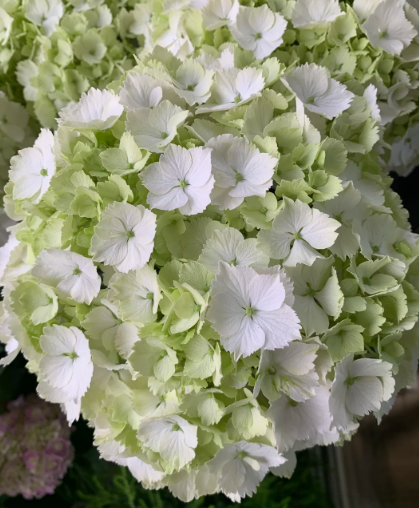
White hydrangea is a very popular ornamental flower in summer, with a full flower shape and pure color, suitable for both courtyard planting and fresh cut flowers. Basic Information Nicknames: Eight Immortals Flower, Purple Yang Flower, Pink Ball Flower Plant classification: Deciduous shrubs or small trees of the Hydrangea genus in the family Saxifragaceae Natural flowering period: mainly concentrated in summer (June August), some varieties can continue their ornamental period until mid July Flower characteristics: The inflorescence is spherical in shape, with more than ten small flowers clustered together to form a large flower ball. The white flowers may have a greenish tint when they first bloom, but later turn pure white. The flower shape is elegant and graceful. The language of the white hydrangea is hope. Although it blooms in winter, spring will come after it blooms. Therefore, when it blooms, people will think that spring is coming, and spring also symbolizes hope. Therefore, its language is hope. Some people give white embroidered balls to those they care about, which is also a blessing to others, hoping that they can always be full of hope. Moreover, white has always been a very pure color, giving people a sense of loyalty and eternity, so it is also suitable for lovers to give to each other as a way to express the position of this relationship in their hearts. Maintenance Method Watering: Hydrangea is a "water absorbing plant", and it is necessary to keep the soil moist. Insert your fingers into the soil 3cm and let it dry before watering; It may wilt in half an hour away from water, so it needs to be treated quickly. Lighting: Prefer scattered light in windy areas and avoid direct exposure to strong light; The location of Dongyangtai is ideal, and a sunshade net is needed for the west sun. Fresh cut flower maintenance: High water level maintenance (vase 80% -90%), change water every 1-2 days, cut roots and wash the vase; Cross cutting roots can enhance water absorption capacity; When the flower wilts, soak the whole flower head in clean water for 1-2 hours for emergency treatment. Temperature environment: Avoid placing near air conditioning vents, radiators, and ripe fruits. Pruning: After flowering, cut it above the full bud point, and old flowering varieties can be pruned again. Precautions Pet safety: The entire hydrangea plant is toxic to cats, dogs, and other pets. Pet owners should pay attention to its placement. Do not spray water on the flower head: Daily water spraying can easily cause the petals to rot and deteriorate, unless it is emergency soaking. Soil pH affects flower color: Some varieties of hydrangea have flower color that varies with soil pH, but white varieties are relatively stable.

panicle hydrangea​
#anthaly#flower

panicle hydrangea​

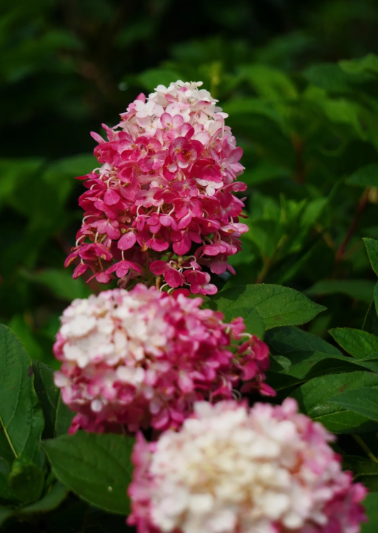
Cone embroidered ball "pink oath", autumn color as red as strawberries, tempting and alluring。 With its unique conical inflorescence and colorful flowers, it becomes a beautiful scenery in summer. Conical hydrangea is a shrub or small tree of the Hydrangea genus in the Hydrangeaceae family, which can grow up to 1-5 meters in height and sometimes up to 9 meters. The branches of the conical hydrangea have a unique color, which is dark reddish brown or grayish brown. At first, they are sparsely covered with soft fur and have a furry texture, but gradually shed and have concave stripes and circular light colored skin holes. You can touch its leaves, which have a paper texture, oval or elliptical shape, with 2-3 opposite or rotated leaves. During the annual flowering season, cone-shaped hydrangeas can be seen blooming clusters of milky white small flowers on their branches. Over time, these flowers will gradually turn pink and eventually brown in winter, adding color to our courtyard. Its capsule is also quite interesting. Firstly, it is semi enveloped by the further developed sepals that persist, and secondly, the three persistent short and thick stigma separate from each other and point towards the sky. The cone-shaped hydrangea has a large inflorescence and blooms like a brocade. It is suitable for cultivation and viewing at the edge of forests, by ponds, along roadsides or walls. It can also be potted on balconies or rooftops, and is usually propagated by cutting, pressing, and splitting. Conical embroidered ball not only has ornamental value, but also has certain medicinal value. According to the "Compendium of Materia Medica", it has the effects of clearing heat and detoxifying, and treating malaria. It is used to treat diseases such as malaria, lung heat and sore throat, scabies, and renal cystic wind. It is a plant that combines aesthetics and practicality.

hydrangea tree​
#anthaly#flower

hydrangea tree​

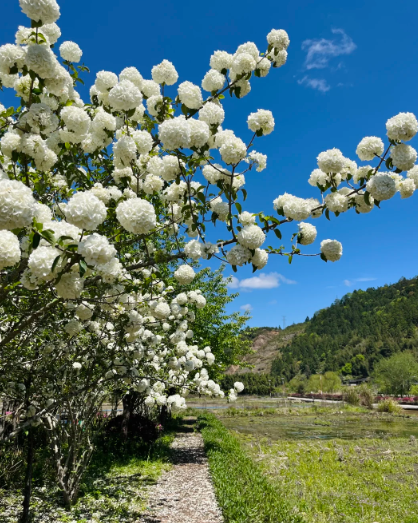
Many people like potted plants, especially flowering plants such as blue snowflakes, hydrangeas, roses, longevity flowers, crab claw orchids, and red palms, which many people love very much. And today we are going to share with you a plant called woody hydrangea, which is a woody hydrangea flower, so it is also a woody plant that blooms for many years. And this woody hydrangea has a certain difference from the ordinary herbaceous hydrangeas we commonly see. As it is a woody plant, the entire plant is tall and straight, with a large plant shape and a very large amount of flowers blooming at once. Moreover, because it is a woody plant, the flowers it blooms are particularly large, usually with a diameter of up to 20 centimeters per flower. For such woody hydrangeas, can they be potted and maintained by ordinary people living in buildings? Actually, it is not recommended for everyone to cultivate potted plants. Mainly because this plant has a well-developed root system and vigorous growth, it requires a larger space. It is best to plant it in one's own yard for better results. Moreover, the most crucial thing is to plant it in a well lit and well ventilated area. This way, the plant will have a large amount of flowering and a fast growth rate, especially after 3-5 years of maintenance. The whole tree will be tall and sturdy, and the flowering will be very spectacular. When caring for woody hydrangeas, it is important to remember to bury some organic fertilizer near the plant branches every winter, such as sheep manure, which can help the plant absorb a large amount of nutrients in winter and promote the development and growth of flower buds.

blue hydrangea​ .I have no resistance to blue
#blue hydrangea​#anthaly

blue hydrangea​ .I have no resistance to blue

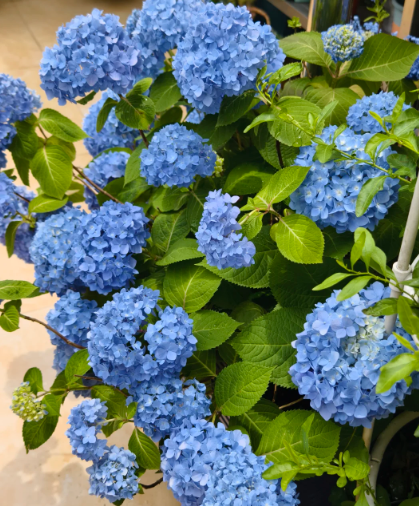
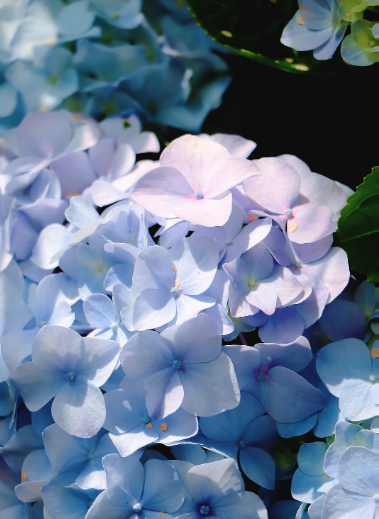
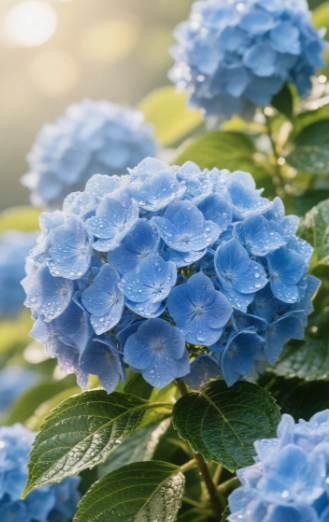
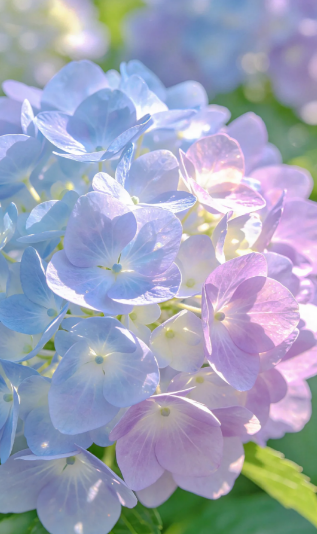
1、 The symbol of blue hydrangea flower 1. Warm and romantic Blue hydrangeas can give people a warm and romantic feeling, with a hint of charm in their petals that makes them irresistible. You can give the blue hydrangea flower to your beloved, expressing the purest and warmest love in your heart, hoping to have a romantic and beautiful love. 2. Reunion and happiness The flower language of the blue hydrangea flower is that the members are happy. The blue hydrangea flowers are usually clustered together to form a round ball. Because the flower shape is very round and full, the hydrangea flower symbolizes happiness and happiness, and is suitable for giving to lively and cheerful friends around you to express the most sincere and beautiful wishes. 3. The joy of victory Blue hydrangeas symbolize the joy of victory. In ancient Rome, hydrangeas symbolized the laurel of victory, and can be given to friends who win competitions to express blessings. In addition, blue embroidered balls can be placed in the room for a better decorative effect. 4. Forget about sadness The blue embroidered ball has the meaning of forgetting sadness, symbolizing abandoning the sad past and starting a new life. It can be given to friends who have encountered setbacks, hoping that they can pick themselves up, regain confidence, and start a beautiful new life. 2、 Why do hydrangeas change color 1. The color of hydrangea flowers is controlled by a pigment belonging to the anthocyanin class - delphinidin. It is different from other types of anthocyanins, as this pigment combines with aluminum ions to form a barrier during the biosynthesis of the pigment, leading to the production of blue flowers.

hydrangea blue color
#hydrangea blue color#anthaly

hydrangea blue color

If you want blue hydrangeas, you can apply aluminum sulfate fertilizer every week before the flower buds form. To maintain blue hydrangeas, you should choose fertile, loose, and well drained sandy soil, and maintain it in a well ventilated environment with scattered light to keep the soil moist. Applying fertilizer appropriately during the growth period can make the flowering period more lasting. The maintenance method of blue embroidered ball Many people want to grow blue hydrangeas, but they don't know how to do it. It's actually very simple. You can use the characteristic of hydrangeas changing color when exposed to acid and alkali to cultivate them. If you want blue hydrangeas, you can apply aluminum sulfate fertilizer every week or so when the flower buds are just forming. The concentration of acidic substances in the irrigation should not be too high to avoid affecting the normal growth of hydrangeas. The maintenance of blue hydrangeas should choose fertile, loose, and well drained sandy soil, and be placed in an environment with scattered light and ventilation. Hydrangeas prefer a moist growth environment, and during summer maintenance, they can also be sprayed with water from the leaves of a watering can to maintain the humidity of the environment and make their leaves green and shiny. During the growth period of the blue hydrangea, it is recommended to apply a moderate amount of fertilizer, mainly nitrogen fertilizer, which can help the flowers bloom more vigorously and have a longer flowering period. When the embroidered ball grows vigorously, it needs to be trimmed to increase its aesthetic appeal and save nutrients, which is beneficial for growth. Hydrangea is a highly ornamental plant that is often planted in potted plants or gardens for viewing. However, hydrangea is not edible as it contains toxins throughout the plant. If ingested, symptoms such as abdominal pain and vomiting may occur, and in severe cases, coma and circulatory breakdown may occur.

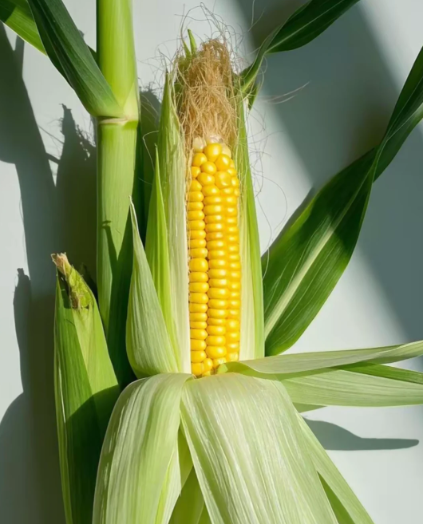
vegetables yellow color:corn
#corn#anthaly

vegetables yellow color:corn

Corn is the seed of the grass family plant Zea mays, also known as Baogu, Baomi, Zhumushu, Zhenzhumi, etc. It originated in Mexico and Peru in Central America, There are many types of corn varieties. According to their purposes, they can be divided into grain and forage varieties, vegetable varieties (including waxy type, sweet type, and baby corn type), processing varieties (sweet corn, baby corn), popcorn varieties (special varieties for popcorn), etc. Corn is a health-promoting product among coarse grains, and consuming corn is quite beneficial to human health. The germ of corn is particularly large, accounting for 10%-14% of the total weight, and contains a large amount of fat, so oil can be extracted from corn germ. Due to the high fat content in corn, it is prone to rancidity and deterioration during storage. Corn can be ground into flour or made into rice. Corn flour is not graded, only differentiated by coarseness. Corn flour can be used to make steamed buns, silk cakes, etc. The protein in corn flour does not have the ability to form gluten elasticity and has poor gas-holding capacity, so it needs to be mixed with flour to make various fermented dim sum. The efficacy and function of corn 1. Weight loss Eating can alleviate hunger in obese individuals, but it has a low calorie content and is also one of the substitutes for weight loss. 2. Anti cancer and anti-cancer measures Plant cellulose can accelerate the elimination of carcinogens and other toxins, and eating more corn can also inhibit the side effects of anti-cancer drugs on the human body. 3. Lower blood pressure and blood lipids The rich calcium can play a role in lowering blood pressure, promoting cell division, reducing serum cholesterol, and preventing its deposition in the vascular wall. Therefore, corn has certain preventive and therapeutic effects on coronary heart disease, atherosclerosis, hyperlipidemia and hypertension. The low risk of hypertension among Native Americans in Central America is related to their main consumption of corn. 4. Increase memory and anti-aging Stimulate brain cells, enhance human brainpower, memory, and metabolism, and adjust nervous system function. It can make the skin tender and smooth, inhibit and delay the formation of wrinkles, and combat eye aging. 5. Improving eyesight People who frequently use their eyes should eat more yellow corn to alleviate macular degeneration and vision loss. Lutein and zeaxanthin, with their strong antioxidant properties, can absorb harmful light entering the eyeball. 6. Promote gastrointestinal peristalsis Can prevent and treat constipation, enteritis, colon cancer, etc. The nutritional value of corn 1. Very high vitamin content The vitamin content in corn is very high, 5-10 times that of rice and wheat, while the nutritional value of special corn is higher than that of ordinary corn. 2. Plants are rich in cellulose content The rich plant cellulose contained in corn has the characteristics of stimulating gastrointestinal peristalsis and accelerating fecal excretion, which can prevent and treat constipation, enteritis, colon cancer, etc. Can restrain and hinder the absorption of excessive glucose, playing a role in inhibiting postprandial blood sugar elevation; Cellulose can also inhibit fat absorption, lower blood lipid levels, prevent and improve the occurrence of coronary heart disease, obesity, and gallstones. 3. Rich in selenium and magnesium The selenium and magnesium contained in corn have anti-cancer effects. Selenium can accelerate the decomposition of peroxides in the body, preventing malignant tumors from receiving molecular oxygen supply and being inhibited. Magnesium can not only inhibit the development of cancer cells, but also promote the elimination of waste from the body, which is of great significance for cancer prevention. 4. Containing glutathione Corn also contains a longevity factor - glutathione, which, with the participation of selenium, generates glutathione oxidase, which has the function of restoring youth and delaying aging. 5. Contains zeaxanthin The zeaxanthin contained in corn can prevent the occurrence of age-related macular degeneration. According to a study conducted by Harvard Medical School and many research centers in 1994, consuming higher amounts of zeaxanthin can reduce the risk of age-related macular degeneration. 6. Rich in carotenoids and niacin The carotenoids contained in corn can be converted into vitamin A after being absorbed by the human body; corn also contains niacin, which is much higher in content than rice. Niacin plays an important role in the metabolism of proteins, fats, and sugars, helping us maintain normal functions of the nervous system, digestive system, and skin. If there is a lack of niacin in the human body, it may cause symptoms such as mental hallucinations, auditory hallucinations, and mental disorders, as well as digestive symptoms such as angular stomatitis, glossitis, diarrhea, and skin leprosy. 7. Rich in linoleic acid Corn contains abundant unsaturated fatty acids, especially linoleic acid, with a content of over 60%. Linoleic acid can lower cholesterol, prevent its deposition on the inner walls of blood vessels, and thus reduce the occurrence of arteriosclerosis. It has a positive effect on preventing hypertension and cardiovascular diseases. Selection of Corn When selecting corn, it is best to choose one that is about 70-80% ripe, too tender, and has too much moisture; Too old, with an increase in starch and a decrease in protein. Choosing corn, you can pinch it with your hand. It has a paste and a relatively white color, and can be steamed or boiled for the best taste and nutrition. Too much pulp makes it too tender; If there is no pulp, it means the corn is old. Storage of corn To preserve corn, the outer skin and hairs need to be removed, cleaned, dried, wrapped in plastic wrap, and refrigerated. Corn is prone to mold when it gets damp, producing aflatoxin and other substances. It should be stored in a cool and dry place. The method of consuming corn 1. Boiled or steamed corn is easier to absorb nutrients. When eating corn, the tips of the corn kernels should be eaten together, as many nutrients are concentrated here. 3. Corn is especially suitable for diabetes patients. Because of its rich dietary fiber, the blood sugar will not rise rapidly after eating it. 4. But people with poor stomach and intestines should not eat more. They can use corn kernels to make a corn soup, or "coarse grains can be made fine". It is a good choice to use a corn flour steamer to make steamed bread, to make some cakes, or to make a pot of Congee with stick noodles. 5. Corn that has been affected by moisture, mold, and spoilage produces aflatoxin, which has carcinogenic effects and should be avoided from consumption.

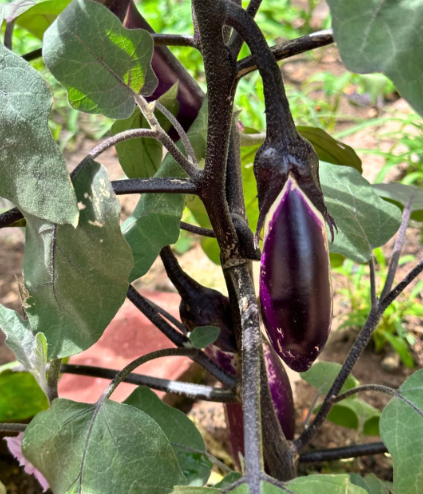
purple vegetables:eggplant
#anthaly

purple vegetables:eggplant

Eggplant is one of the few purple vegetables and a very common household vegetable on the dining table. Its purple skin contains abundant vitamin E and vitamin P, which are unmatched by other vegetables. Eggplant belongs to the Solanaceae family and is an annual vegetable. Originating from India, it is one of the main vegetables in summer. The edible part of eggplant is its young fruit, which can be divided into three types according to its shape: round eggplant, bulb eggplant, and linear eggplant. Round eggplant has a round shape, with black-purple skin that is glossy, a deep purple fruit stalk, light greenish-white flesh, dense and tender texture; bulb eggplant has a bulb-like shape, with black-purple skin that is glossy, a deep purple fruit stalk, light greenish-white flesh, contains many seeds, and slightly loose texture; linear eggplant has a thin, elongated or slightly curved shape, with thin skin that is dark purple or black-purple, light greenish-white flesh, contains few seeds, and tender and soft texture, with good quality. The efficacy and function of eggplant 1. Treatment of gastric cancer Foreign research results have shown that its anti-cancer performance is several times that of other vegetables with the same effect, making it a strong anti-cancer agent. It can inhibit the proliferation of digestive tract tumor cells and has a good inhibitory effect on gastric cancer and colorectal cancer. 2. Anti aging Eggplant contains vitamin E, which has the functions of preventing bleeding and anti-aging. Eating eggplant regularly can prevent the increase of cholesterol levels in the blood and have a positive effect on delaying human aging. 3. Reduce cholesterol and protect cardiovascular health Eating eggplant regularly can prevent hypertension, coronary heart disease, atherosclerosis, purpura, scurvy and promote wound healing. 4. Clearing heat and relieving summer heat It is particularly suitable for people who are prone to developing prickly heat and boils. The nutritional value of eggplant 1. Eggplant is rich in nutrients, including protein, fat, carbohydrates, vitamins, as well as various nutrients such as calcium, phosphorus, and iron. 2. Eggplant has a high content of vitamin P, with 750 milligrams of vitamin P per 100 grams. It can enhance the adhesion between human cells, increase the elasticity of capillaries, reduce fragility and permeability, and prevent microvascular rupture and bleeding. 3. Eggplant also contains trace elements such as phosphorus, calcium, and potassium, as well as various alkaloids such as choline, fenugreek alkaloids, sophocarpine, and solanine. Especially purple eggplants have higher vitamin content. It can inhibit the proliferation of tumor cells in the digestive tract. 4. The vitamin C and saponin contained in eggplant fiber have the effect of reducing cholesterol. Foreign scholars have proposed the "12 ways to reduce cholesterol", and eating eggplant is one of them. 5. The B vitamins contained in eggplants also have certain auxiliary therapeutic effects on dysmenorrhea, chronic gastritis, nephritis edema, etc. Selection of Eggplant Eggplants are considered excellent for their uniform and round fruit shape, moderate aging and tenderness, no cracks, rot, rust, spots, thin skin, few seeds, thick and tender flesh. The tender eggplant has a dark color, thin skin and loose flesh, low weight, tender and sweet taste, and the flesh is not easy to separate. There is a green white skin at the bottom of the calyx. Old eggplants have a shiny and smooth color, thick and tight skin, firm flesh and solid seeds, easy separation of seeds, yellow and hard seeds, heavy weight, and some have a bitter taste. Eggplants with wrinkled skin and dull luster are not fresh. Storage of Eggplant The skin of eggplant is covered with a layer of wax, which not only makes the eggplant shiny, but also has a protective effect on the eggplant. Once the wax layer is washed away or mechanically damaged, it is easy to be invaded by microorganisms and rot and deteriorate. Therefore, eggplants that need to be stored should never be washed with water, and should be protected from rain, bumps, heat, and stored in a cool and ventilated place. Eating methods of eggplant 1. Eggplant is suitable for cooking methods such as burning, braising, steaming, frying, and mixing, such as "fish flavored eggplant", "fried tomato box", "sliced eggplant", etc. 2. Old eggplants, especially those after autumn, contain a lot of solanine, which is harmful to the human body and should not be eaten in large quantities. 3. Deep frying eggplants can cause a significant loss of vitamin P, but frying them with paste and sizing can reduce this loss. 4. At the junction of eggplant sepals and fruit, there is a light colored ring. The wider and more obvious this ring, the faster the eggplant fruit is growing and not aging. If the ring is not obvious, it indicates that the eggplant has stopped growing when harvested, and at this time, the eggplant has aged, affecting its consumption. 5. Eggplant is prone to oxidation when heated, and its color will turn black, affecting its appearance. If it is fried in hot oil before cooking and then stir fried with other ingredients, it will not easily change color. 6. After cutting the eggplant, it should be fried directly in oil before it changes color. This can fry the excess water in the eggplant, making it easy to become flavorful when stewed. After cutting eggplant into pieces or slices, it will quickly turn from white to brown due to oxidation. If the sliced eggplant is immediately soaked in water and then removed and filtered dry when cooking, it can prevent the eggplant from changing color.

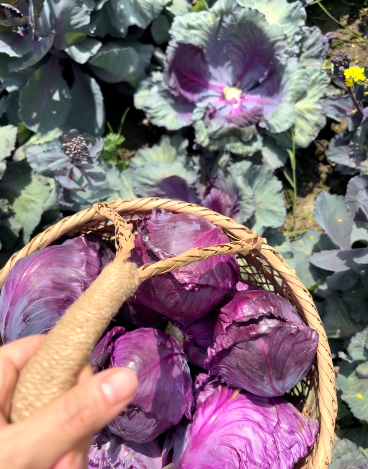
purple vegetables​:red cabbage
#purple vegetables​#anthaly

purple vegetables​:red cabbage

Purple cabbage, also known as red cabbage or red broccoli, is a variety of Brassica oleracea var. capitata in the family Cruciferae and genus Brassica. Purple cabbage is a comprehensive nutritional food that is suitable for people of all ages. It can be eaten raw or cooked and has excellent health benefits. So what are the functions and effects of purple cabbage? And what is the difference between purple cabbage and cabbage? Let's find out together. What is the difference between purple cabbage and cabbage? Kale is one of our common vegetables, which can be divided into purple kale and green kale based on their different colors. The purple variety is known as purple kale, while the green one is commonly referred to as cabbage, also known as Chinese cabbage. Purple cabbage and cabbage belong to the same cabbage variety. Apart from the significant difference in color, they are quite similar in other respects. Therefore, many people mistakenly believe that purple cabbage is "dyed" cabbage, but this idea is actually incorrect. Upon careful distinction, there are some differences in their appearance. The stems, leaves, and overall shape of purple cabbage are close to spherical, hence it is also commonly referred to as purple Chinese cabbage. On the other hand, the leaves of cabbage are wrapped layer by layer, forming a spherical shape. Additionally, there is little difference in nutritional content between purple cabbage and cabbage, but purple cabbage is richer in anthocyanins. What are the benefits and functions of purple cabbage? 1. Delay aging Purple cabbage is rich in anthocyanins, which act as potent antioxidants, helping to combat aging and maintain skin vitality. 2. Prevent stroke Purple cabbage is rich in folic acid, which plays a significant role in preventing stroke, preventing Alzheimer's disease, and even promoting fetal development. 3. Detoxification and liver protection The chemical composition of purple cabbage contains cysteine and high-quality protein, which can assist the liver in detoxification. 4. Prevent cardiovascular diseases Purple cabbage contains anthocyanins and crude fiber, which can help us lower cholesterol, enhance vascular toughness, and clean up "vascular debris". 5. Nourish the stomach and moisturize the intestines The "ulcer healing factor" found in purple cabbage exhibits an exceptionally effective therapeutic effect on ulcers, accelerating wound healing, making it an ideal food for patients with gastric ulcers.

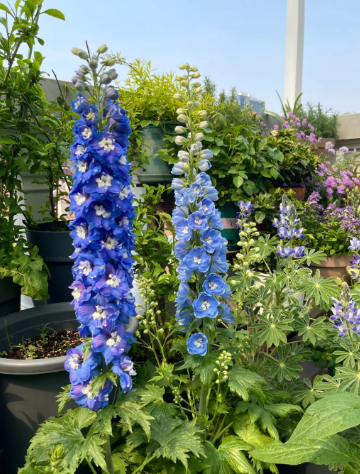
July Birth Flowers: Larkspur (Delphinium) and Water Lily (Nymphaea)
#flower#anthaly

July Birth Flowers: Larkspur (Delphinium) and Water Lily (Nymphaea)

July, a month bathed in warm summer sunlight and vibrant energy, is represented by two stunning birth flowers: the larkspur (scientific name: Delphinium) and the water lily (scientific name: Nymphaea). These flowers not only adorn gardens and water bodies with their beauty but also carry rich symbolic meanings, deep cultural roots, and unique growing requirements. Whether you’re celebrating a July birthday, exploring floral symbolism, or looking to cultivate these blooms, this guide will uncover everything you need to know about these two iconic July birth flowers. 1. Larkspur (Delphinium): The Bold and Meaningful Summer Spike Larkspur, often referred to by its genus name Delphinium, is a striking annual or perennial flower known for its tall, spiky stems and delicate, bell-shaped blooms. Available in a spectrum of colors—including blue, purple, pink, white, and red—it adds vertical elegance to any garden and holds a special place in the language of flowers and cultural history. Symbolism of Larkspur The larkspur is a flower of deep emotion and symbolism, with meanings that vary slightly by color but always carry warmth and sincerity. At its core, it represents strong love bonds, dedication, positivity, and an open heart—making it a perfect gift for loved ones born in July, as it embodies the loyalty and joy of summer relationships. Color-specific symbolism adds another layer of depth: - Blue Larkspur: Symbolizes grace, respectability, and calmness, often associated with trust and devotion. - Purple Larkspur: Represents first love, royalty, and ambition—making it a meaningful choice for new romances or milestones. - Pink Larkspur: Conveys affection, joy, and gentle love, though it historically carried connotations of fickleness in the Victorian era. - White Larkspur: Signifies purity, happiness, and new beginnings, often used to celebrate fresh starts or innocent joy. Beyond romantic and personal meanings, larkspur also symbolizes protection—particularly in folklore, where it was believed to ward off evil spirits and negative energy. Cultural Background of Larkspur The larkspur’s cultural history stretches back centuries, with roots in Greek mythology, European folklore, and even early American traditions. In Greek mythology, the larkspur is linked to the tragic story of Ajax, a great warrior of the Trojan War. After being passed over for the armor of the fallen Achilles, Ajax took his own life, and legend says that larkspurs bloomed where his blood spilled onto the ground. Another Greek tale suggests the flower’s name derives from its nectary, which resembles the nose of a dolphin (“delphis” in Greek), giving it the genus name Delphinium. The common name “larkspur” comes from the flower’s spur-like shape, which resembles the claw of a lark. In European folklore, larkspur was a symbol of protection: in England, people sprinkled its petals in baths to ward off ghosts and magic, while in Transylvania, it was planted near stables to keep witches away. During the Victorian era, it was a staple in cottage gardens, valued for its ability to “ward off evil” and its delicate beauty. Later, when naturalized in the United States, Native Americans used larkspur blooms to make dyes and repel insects, and it even earned a mention in George Washington’s letters. Planting and Care Guide for Larkspur (Delphinium) Larkspurs are relatively easy to grow, making them a favorite for both beginner and experienced gardeners. They thrive in cool summer climates and add dramatic height to borders, cutting gardens, or containers. Here’s how to grow and care for them: Planting Conditions - Sunlight: Full sun (6–8 hours of direct sunlight daily) is ideal, though in hotter southern climates, afternoon shade can help extend their bloom period. - Soil: Well-drained, fertile soil with a slightly acidic to neutral pH (6.0–7.0) is best. Amend soil with compost or organic matter to improve drainage and nutrient content. - Planting Time: Direct-seed larkspurs in early spring (as soon as the soil can be worked) or fall (4–6 weeks before the first frost in zones 5b and warmer). They require a period of cold weather (vernalization) to bloom, so fall planting often yields stronger plants. - Planting Depth: Sow seeds ⅛ to ¼ inch deep, lightly covering them with soil. Space seeds 6–12 inches apart to allow for proper growth. Care Tips - Watering: Keep soil consistently moist but not waterlogged. Water at the base of the plant to avoid wetting the foliage, which can lead to fungal diseases. - Fertilizing: Apply a balanced, slow-release fertilizer in spring when new growth appears. Avoid high-nitrogen fertilizers, which can cause leggy growth. - Staking: Taller varieties (which can grow 3–6 feet tall) may need staking to support their stems, especially in windy areas. - Deadheading: Remove spent blooms to encourage continuous flowering throughout the summer. If you leave some mature flower stalks, larkspurs will often self-seed for the following year. - Pest and Disease Control: Larkspurs are deer, rabbit, and groundhog-resistant (likely due to their toxicity if ingested). Watch for aphids, slugs, and powdery mildew; treat aphids with insecticidal soap and mildew with a fungicide if needed. Note: All parts of the larkspur are toxic if ingested, so keep them away from pets and children. 2. Water Lily (Nymphaea): The Serene Aquatic Beauty The water lily, or Nymphaea, is a graceful aquatic flower that graces ponds, lakes, and water gardens with its floating blooms and lily pads. Available in both hardy and tropical varieties, it symbolizes purity, rebirth, and spiritual awakening—making it a fitting complement to the larkspur as July’s birth flower. Its serene beauty and deep cultural significance have made it a beloved symbol across civilizations. Symbolism of Water Lily The water lily is a symbol of purity, rebirth, spiritual enlightenment, and inner peace. Its ability to rise from murky water and bloom into a stunning, clean flower represents overcoming adversity and emerging stronger—an apt metaphor for the warmth and resilience of July’s summer energy. In many cultures, the water lily is tied to divinity and creation. For example, it symbolizes purity of the soul in Christianity, while in Buddhism, it represents enlightenment and the journey toward spiritual awakening. In ancient Egypt, it was linked to the sun and rebirth, as its blooms open at dawn and close at dusk, mirroring the cycle of life. Color also plays a role in its symbolism: white water lilies signify purity and innocence, pink symbolize romance and gentleness, and purple represent spirituality and mystery. Cultural Background of Water Lily The water lily has been revered across cultures for millennia, with its most prominent roots in ancient Egypt, Buddhism, and Greek mythology. In ancient Egypt, the water lily (specifically the blue water lily) was a sacred symbol tied to creation and the sun god Ra. Legend tells of a cosmic lotus (water lily) that emerged from the primordial black sea, bringing light and life to the world. Egyptians believed the water lily was the soul of Ra, and its daily bloom at dawn symbolized the sun’s rebirth each day. The god Nefertum, associated with beauty and healing, was often depicted with a water lily on his head, and the flower was frequently used in rituals and art—including the famous tomb of Tutankhamun, where water lily motifs were found. In Buddhism, the water lily is a central symbol of enlightenment. The Buddha is often depicted sitting on a water lily, representing his ability to rise above suffering (the murky water) and achieve spiritual purity. In Chinese and Japanese cultures, the water lily symbolizes harmony, peace, and good fortune, and it is a common motif in art and gardens. In Greek mythology, the water lily’s genus name Nymphaea derives from “nymphs”—female nature spirits who guarded water bodies. This connection reflects the flower’s association with water and its serene, otherworldly beauty. Planting and Care Guide for Water Lily (Nymphaea) Water lilies are aquatic plants that require specific growing conditions to thrive, but with the right care, they will reward you with stunning blooms all summer long. They are divided into two main types: hardy water lilies (perennial, suitable for outdoor ponds year-round) and tropical water lilies (tender, requiring warm water and frost-free conditions). Planting Conditions - Water Environment: Hardy water lilies grow in ponds, lakes, or large containers (at least 30 cm deep) with still or slow-moving water. Tropical water lilies need warmer water (at least 21°C/70°F in summer). - Sunlight: Full sun (6–8 hours of direct sunlight daily) is essential for blooming. Shaded areas will result in fewer flowers. - Water Depth: For hardy varieties, plant in water 30–90 cm deep; dwarf varieties can grow in 15–30 cm of water. Tropical water lilies prefer deeper water (60–120 cm). - Soil: Use heavy, clay-based soil (not potting soil, which will float) in a aquatic plant pot with drainage holes. Add a layer of gravel on top to prevent soil from floating. - Planting Time: Plant hardy water lilies in late spring or early summer (after the last frost). Tropical water lilies should be planted once water temperatures reach 21°C/70°F. Care Tips - Water Quality: Maintain clean, clear water. Use a pond filter to prevent algae growth, and avoid using chemicals that can harm the plant. Water should meet quality standards for景观 use, such as those outlined in GB/T 18921 (for reference). - Fertilizing: Feed water lilies with a slow-release aquatic fertilizer tablet every 4–6 weeks during the growing season. Push the tablet into the soil near the roots to avoid floating. - Pruning: Remove yellow or dead leaves and spent blooms regularly to keep the plant healthy and prevent debris from accumulating in the water. - Winter Care: Hardy water lilies can stay in the pond over winter—ensure the pond does not freeze completely (use a pond heater if needed). Tropical water lilies must be moved indoors or stored in a frost-free area over winter. - Pest and Disease Control: Watch for aphids, water lily beetles, and fungal diseases. Treat aphids with insecticidal soap, and remove beetles by hand. Fungal issues can be prevented by ensuring good water circulation and avoiding overcrowding. 3. Why July Has Two Birth Flowers July is one of the few months with two birth flowers, and their combination perfectly captures the essence of summer: the larkspur’s bold, vibrant energy and the water lily’s serene, calming beauty. Together, they represent the duality of July—warm, lively days and peaceful, starry nights. They also offer a range of meanings, making them versatile gifts for July birthdays: the larkspur for love and loyalty, the water lily for purity and rebirth. Final Thoughts The larkspur and water lily are more than just beautiful summer flowers—they are carriers of history, symbolism, and joy. Whether you’re planting them in your garden, gifting them to a July birthday celebrant, or simply admiring their beauty, these two birth flowers embody the best of summer. With the right care, they will thrive and bring warmth and elegance to any space, serving as a lasting reminder of July’s unique spirit.

how to plant a tree
#how to plant a tree

how to plant a tree

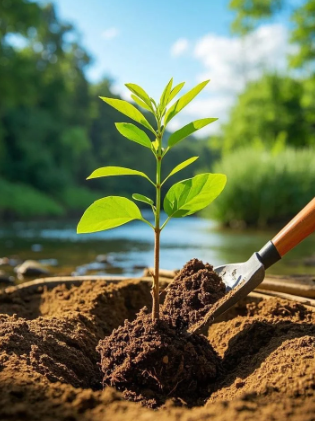
Step 1: Level the ground and lay a solid foundation for growth Before planting, it is necessary to clear the site, remove stones, weeds, and other debris, and level the ground to facilitate subsequent hole digging and prevent water accumulation in the roots. Step 2: Dig precise holes to leave sufficient space for the roots The size of the pit should be determined based on the size of the soil ball of the sapling. The diameter of the pit should be 30-50 cm larger than the soil ball, and the depth should be 20-30 cm deeper than the soil ball. The pit wall should be vertical and the bottom should be flat. The excavated topsoil and subsoil should be stacked separately. Step 3: Backfilling and fertilizing to nourish root growth First, backfill the topsoil, followed by the subsoil. When the backfill reaches about one-third of the tree pit, apply base fertilizer and mix it thoroughly with the soil. Then, cover the base fertilizer with soil to avoid burning the roots. Step 4: Standardize planting to ensure the saplings take firm root Carefully remove the nutrient bag or wrapping material from the sapling, place the sapling into the hole, ensuring that the top of the soil ball is flush with the ground surface and the trunk is vertical. When backfilling the soil, compact it in layers and shape it into a Mantou (steamed bun) to avoid shaking the trunk. Step 5: Install supports, protect against wind and ensure dryness to safeguard the seedlings After planting, it is necessary to use a support pole to fix the tree trunk. The support height should be 1/2 to 2/3 of the trunk. The bottom should be firmly tied and padded with soft material at the contact point with the trunk to prevent wind damage. Step 6: Water the cofferdam thoroughly to establish the roots Build a cofferdam around the tree trunk with a height of 10-20 cm, and slowly and evenly water the tree until the water penetrates to the bottom of the pit, ensuring that the root-fixing water is thoroughly absorbed. Step 7: Cover soil to conserve moisture, lock in water to promote growth After watering, cover the surface with a layer of soft, fine soil to retain soil moisture. When covering, avoid compacting the soil and ensure it remains breathable. Following the above scientific steps can effectively improve the survival rate of saplings

how to plant a tree?
#how to plant a tree

how to plant a tree?

how to plant a tree: Preparation for tree sapling selection: Prioritize locally sourced tree species that are easy to survive, and small saplings with soil balls are easier to plant. Step 1 of the step-by-step practical operation: Dig a pit that is one circle larger than the root ball, with a depth that is level with the root ball. ⚠️Caution: The pit should not be too shallow or too deep. If it's too deep, the roots may become suffocated and rot. Step 2: Support the sapling by placing it in the center, straightening it, and allowing the roots to spread naturally. ⚠️Caution: The sapling must be upright, with its roots uncurled and unbroken. Step 3. Fill the soil slowly and gently compact it. Build a small mound around it to facilitate water retention. ⚠️Caution: Do not step hard to avoid crushing the roots; the soil circle can retain moisture, making it easier to water. Step 4: Water thoroughly to settle the roots, ensuring the soil and roots are tightly bound together. ⚠️Note: Make sure to water thoroughly, not just the surface; keep it moist afterwards, but avoid frequent and heavy watering. Step 5. Reinforce the support rod by inserting 1-2 wooden sticks next to the sapling, burying them deeply and stepping on them firmly. Gently tie the trunk with a soft rope, but do not tie it too tightly, leaving room for the small tree to grow and preventing it from swaying in the wind. ⚠️Caution: Don't let the rope get caught in the bark, or it will damage the young tree; make sure to support it in strong winds.

Why Are My Plant Leaves Turning Yellow? (7 Common Causes and How to Fix It)
#anthaly#plant

Why Are My Plant Leaves Turning Yellow? (7 Common Causes and How to Fix It)

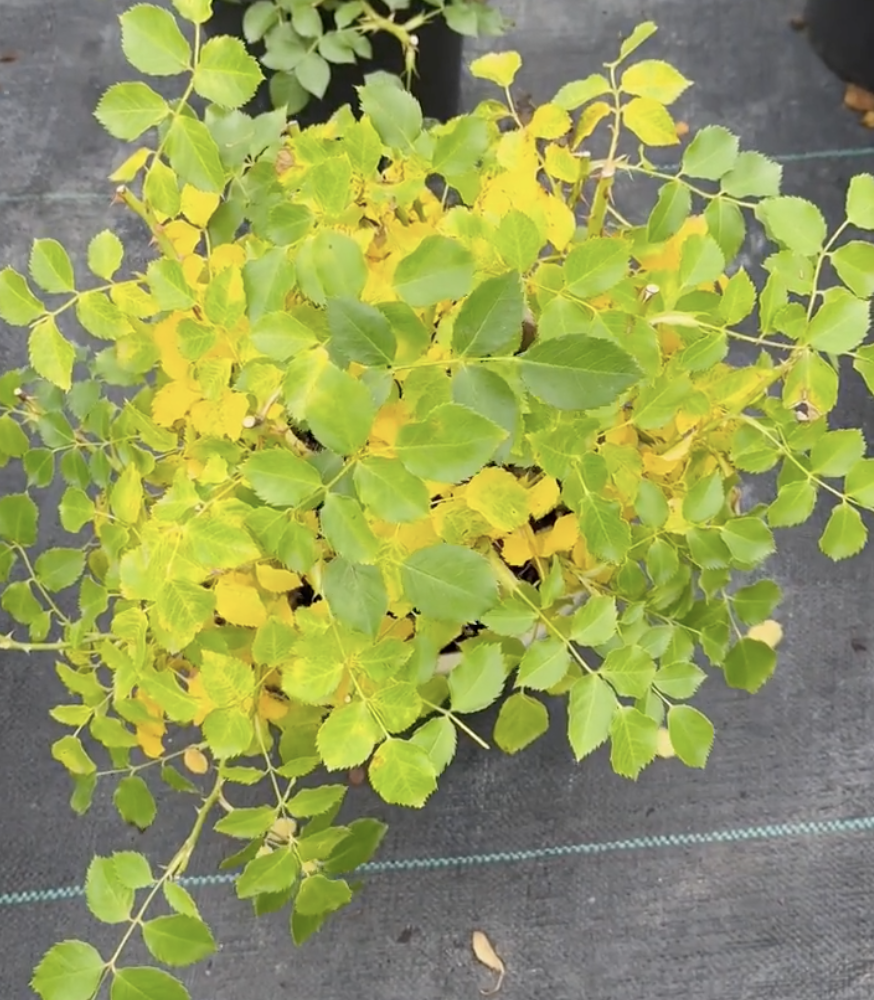
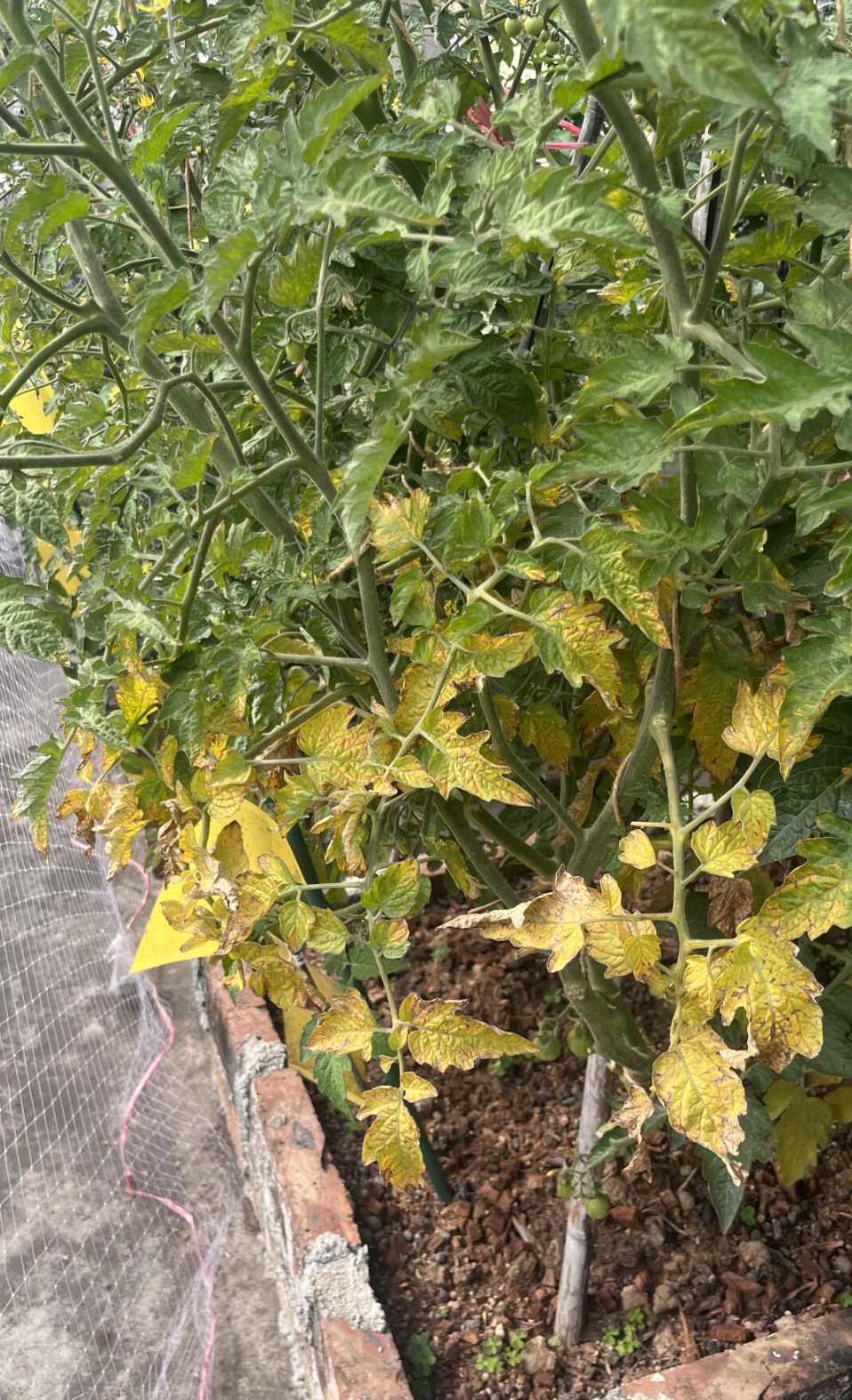
If you’ve noticed your plant leaves turning yellow, you’re not alone. This is one of the most common problems plant owners face. Yellow leaves can happen for many reasons, including watering issues, poor lighting, nutrient deficiencies, or plant diseases. The good news is that most causes of yellow leaves can be fixed once you understand what your plant is trying to tell you. In this guide, we’ll explore the most common reasons plant leaves turn yellow and what you can do to bring your plant back to health. 1. Overwatering Overwatering is the most common cause of yellow leaves. When plants receive too much water, their roots can’t get enough oxygen. This can lead to root rot, which prevents the plant from absorbing nutrients properly. Signs of overwatering Yellow leaves that feel soft or mushy Soil that stays wet for many days Leaves dropping off easily How to fix it Let the soil dry out before watering again Make sure your pot has drainage holes Use well-draining soil 2. Underwatering Plants also turn yellow when they don’t receive enough water. When the soil becomes too dry, the plant struggles to transport nutrients from the roots to the leaves. Signs of underwatering Yellow leaves that feel dry and crispy Drooping stems Dry soil pulling away from the pot How to fix it Water deeply until water drains from the bottom Maintain a consistent watering schedule 3. Lack of Sunlight Plants need light to perform photosynthesis. Without enough light, leaves may turn pale or yellow. This is especially common for indoor plants placed in dark corners. How to fix it Move the plant closer to a window Provide indirect sunlight Rotate the plant regularly so all sides receive light 4. Nutrient Deficiency Yellow leaves can also be caused by a lack of essential nutrients, especially nitrogen. Nitrogen helps plants maintain healthy green leaves. Signs of nutrient deficiency Older leaves turning yellow first Slow growth Small or weak leaves How to fix it Use a balanced plant fertilizer Repot the plant with fresh soil if nutrients are depleted 5. Natural Aging Sometimes yellow leaves are completely normal. Older leaves naturally turn yellow and fall off as the plant grows new ones. If only a few older leaves are yellow while the rest of the plant looks healthy, there’s usually nothing to worry about. 6. Temperature Stress Plants are sensitive to temperature changes. Sudden cold drafts, air conditioning, or heating vents can stress plants and cause leaves to turn yellow. How to fix it Keep plants away from vents and heaters Maintain a stable indoor temperature Avoid placing plants near cold windows during winter 7. Pests or Plant Diseases Certain pests and fungal diseases can also cause yellow leaves. Common culprits include: spider mites aphids fungal leaf spots These problems can spread quickly if not treated early. If you are unsure what pest or disease is affecting your plant, you can use the plant diagnosis feature in the Anthaly app. Simply take a photo of your plant, and the app will help identify possible plant diseases and provide treatment suggestions. How to Quickly Identify the Cause Because many plant problems look similar, it can sometimes be difficult to determine the exact cause of yellow leaves. Instead of guessing, many plant owners use plant identification tools to diagnose problems faster. For example, the Anthaly app allows you to: identify plants instantly from photos detect plant diseases get care and treatment advice learn how to revive unhealthy plants This makes it much easier to understand what’s happening to your plant and take the right action. Final Thoughts Yellow leaves are often a sign that your plant needs attention, but the problem is usually easy to fix once you identify the cause. Start by checking: watering habits light conditions soil quality possible pests or diseases With the right care, most plants can recover and grow healthy green leaves again. And if you ever feel unsure about what’s happening to your plant, tools like Anthaly can help you quickly identify plant problems and keep your plants thriving.
What Plant Is This? A Simple Question That Technology Can Finally Answer
#anthaly#flower

What Plant Is This? A Simple Question That Technology Can Finally Answer

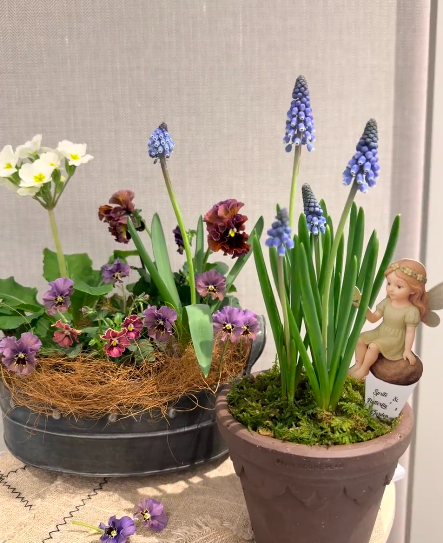
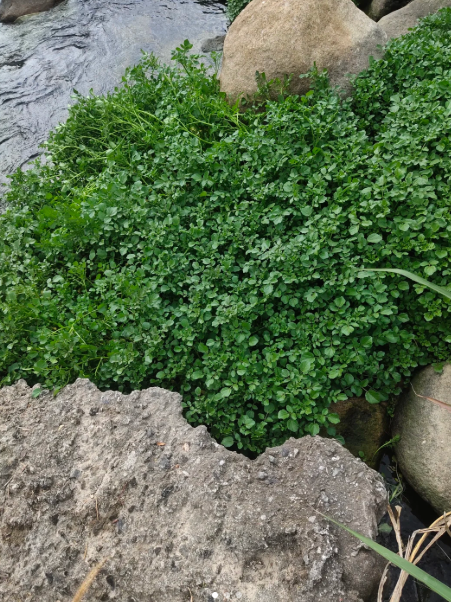
You see a plant while walking through a park, hiking on a trail, or watering your garden. The leaves look unique, the flowers are beautiful, and curiosity kicks in. What plant is this? This question is one of the most common questions people ask about nature. For centuries, answering it required botanical books, expert knowledge, or help from professional gardeners. Today, things have changed dramatically. With artificial intelligence and smartphones, identifying plants has become fast, simple, and accessible to everyone. Modern plant identification tools allow anyone to take a photo and instantly learn what they are looking at. Why People Want to Identify Plants There are many reasons people want to know the name of a plant. Some are practical, while others come from pure curiosity. Gardeners want to understand how to properly care for plants in their yard. Hikers want to know what species they are seeing on trails. Pet owners want to know if a plant could be dangerous for their animals. Homeowners want to understand whether a plant is a weed or something worth keeping. Sometimes, the question appears after a problem begins. Leaves start turning brown. Small holes appear. The plant suddenly stops growing. Before solving the issue, the first step is always the same: Identify the plant correctly. The Difficulty of Traditional Plant Identification Plants can look extremely similar. Many species share nearly identical leaves, colors, or growth patterns. Small differences in leaf edges, vein structures, or flower shapes may completely change the identification. Traditional identification usually involves: comparing photos in plant guides checking botanical classification asking gardening communities waiting for someone knowledgeable to respond This process can take hours or even days. For beginners, it can also be frustrating. The Rise of AI Plant Identification Artificial intelligence has changed how people interact with the natural world. Image recognition systems can now analyze patterns in plants much faster than humans. By studying millions of plant photos, these systems learn to recognize details like: leaf shape texture flower arrangement color variation plant structure When a user takes a photo, the system compares it with its trained dataset and suggests possible matches within seconds. This is why plant identification apps have become extremely popular. A New Tool for the Question “What Plant Is This?” One example of this new generation of tools is Anthaly, a plant identification and plant health detection app currently available on iOS. Anthaly was designed around a very simple idea: People don’t just want plant names. They want answers and solutions. Instead of stopping at identification, the app also looks at plant problems and helps users understand what might be happening. How Anthaly Helps Plant Owners Many plant apps focus only on recognition. However, in real life, plant owners often need more help than just a label. Anthaly aims to assist with several common plant-related situations. Instant Plant Recognition Users can take a picture of a plant, leaf, or flower and quickly receive identification results. This helps answer the classic question: what plant is this? Whether the plant is in a garden, inside a home, or growing in the wild, a quick scan can reveal useful information. Detecting Plant Diseases Plant diseases can spread quickly if ignored. Yellowing leaves, dark spots, or unusual patterns may signal infection or nutrient imbalance. Anthaly analyzes these visual clues and helps users understand possible causes. Identifying Pest Problems Tiny insects can do significant damage before people even notice them. By scanning affected areas, users can better understand whether pests might be involved. Helping Beginners Learn Not everyone has botanical knowledge, and that is perfectly normal. Tools like Anthaly simplify complex information so beginners can still care for plants successfully. Everyday Situations Where Plant Identification Helps Plant identification technology is useful in more situations than people expect. Someone may move into a new home and inherit a garden filled with unknown plants. A traveler might see a beautiful flower and want to learn its name. A parent may want to know if a plant is safe for children or pets. A gardener may suddenly notice that a once-healthy plant is declining. In each case, the starting point is the same simple question. What plant is this? From Curiosity to Knowledge Once people start identifying plants, they often become more interested in nature. Recognizing species creates a stronger connection with the environment. You begin noticing plants you previously ignored. Street trees become identifiable. Wildflowers gain names. Garden plants become easier to manage. Technology doesn’t replace nature knowledge—it accelerates it. Why iPhone Users Are Turning to Plant Apps Smartphones have become the perfect tool for plant identification because they are always nearby and equipped with high-quality cameras. Since Anthaly is currently available on iOS, it focuses on delivering a smooth experience for iPhone users who want fast plant answers without complicated steps. Instead of searching the internet or browsing forums, users can simply open the app, take a photo, and get guidance quickly. The Growing Importance of Plant Awareness Plants play a huge role in our daily lives. They clean the air, support ecosystems, provide food, and improve mental well-being. Yet many people cannot identify even the most common species around them. Plant identification technology is helping close this gap. By making knowledge accessible, more people can care for plants properly and better understand the natural world. A Question Humans Will Always Ask No matter how advanced technology becomes, curiosity about nature will always remain. People will always pause, look at a leaf, flower, or unfamiliar plant, and ask: What plant is this? The difference today is that the answer no longer requires a botanist, a field guide, or hours of research. Sometimes, all it takes is a photo.

What Plant Is This? A Practical Guide to Identifying Plants with Confidence
#anthaly#flower

What Plant Is This? A Practical Guide to Identifying Plants with Confidence

At some point, almost everyone has looked at a plant and wondered: “What plant is this?” Maybe you saw a beautiful flower while walking through your neighborhood, discovered an unfamiliar plant growing in your garden, or found a houseplant that came without a label. Plant identification has always been a challenge for beginners and even experienced gardeners. Fortunately, modern technology has made this process far easier than ever before. Today, plant identification apps allow anyone to instantly discover the name, characteristics, and care requirements of almost any plant simply by taking a photo. Why Identifying Plants Matters Knowing what plant you are looking at is more important than many people realize. Proper identification helps you: Understand how to care for the plant Determine whether it is safe for pets or children Detect diseases early Prevent invasive species from spreading Learn about the natural environment around you For gardeners, plant identification can mean the difference between a thriving garden and a struggling one. Each species has its own needs—sunlight, watering schedule, soil conditions, and climate tolerance. If you misidentify a plant, you might treat it incorrectly and cause unnecessary damage. The Old Way vs. The Modern Way Traditionally, identifying plants required thick field guides, botanical knowledge, or help from experts. You had to compare leaf shapes, flower structures, stem patterns, and seasonal changes. While this method can still be useful, it is time-consuming and difficult for most people. Now, artificial intelligence has transformed plant identification. With a smartphone camera and the right app, the answer to “what plant is this?” can appear in seconds. Using AI to Identify Plants AI-powered tools analyze visual patterns in leaves, flowers, bark, and growth structures. These systems are trained on large botanical datasets and can recognize thousands of plant species. One tool designed specifically for this purpose is Anthaly, a plant identification and plant health assistant available on iOS. The goal of Anthaly is simple: Help users instantly answer the question — what plant is this — and understand how to care for it. How Anthaly Helps Identify Plants Anthaly focuses on solving real problems plant lovers face every day. Instead of only giving a plant name, it also helps users understand the condition of the plant. Key capabilities include: 1. Instant Plant Identification Take a photo of a leaf, flower, or entire plant. The AI analyzes the image and provides the most likely species. This is especially helpful when encountering unfamiliar plants outdoors or identifying new plants in your home. 2. Plant Disease Detection Plants often show subtle warning signs before serious damage occurs. Spots on leaves, discoloration, curling edges, or unusual growth patterns may indicate disease or pests. Anthaly analyzes these visual symptoms and helps users recognize potential issues early. 3. Pest Diagnosis Many plant problems come from insects that are difficult to identify. By scanning affected leaves or stems, users can better understand what might be harming their plant and take action sooner. 4. Simple Explanations Instead of overwhelming users with technical botanical terms, Anthaly aims to provide practical explanations that everyday plant owners can understand. A Common Real-World Scenario Imagine walking through your backyard and noticing a plant you didn’t remember planting. The leaves look interesting, but you are unsure whether it’s a weed, a wildflower, or something worth keeping. You open Anthaly, take a quick photo, and within moments you have: The plant name Basic information Possible care guidance That mystery plant is no longer a mystery. Indoor Plant Owners Benefit Too Houseplants have become extremely popular in recent years. However, many people purchase plants without fully understanding their care requirements. This often leads to common questions: Why are the leaves turning yellow? Is this plant getting too much water? Is this plant toxic to pets? What plant is this? A quick scan with a plant identification app can provide immediate clarity and help prevent plant loss. Why Plant Health Detection Matters Identification is only the first step. Plants can suffer from: fungal infections nutrient deficiencies insect infestations environmental stress Early detection is critical. When caught early, many problems can be solved quickly. Tools like Anthaly help bridge the gap between professional plant knowledge and everyday plant owners. Designed for Simplicity Many plant apps overwhelm users with too many features or complicated interfaces. Anthaly focuses on a straightforward workflow: Open the app Take a photo Get results Because it is currently available on iOS, it is optimized for the Apple ecosystem and designed to work smoothly on iPhones. Learning About the World Around You Plant identification is more than a gardening tool—it can change how you see the world. Parks, sidewalks, forests, and even abandoned lots are filled with fascinating plant species. Once you start identifying plants, everyday walks become opportunities for discovery. You begin to notice: seasonal changes native species invasive plants pollinator-friendly flowers Curiosity naturally grows from a simple question: What plant is this? The Future of Plant Identification Artificial intelligence is rapidly improving. Plant recognition tools are becoming faster, more accurate, and more helpful. Soon, identifying plants and diagnosing problems may be as common as checking the weather. Apps like Anthaly represent a shift toward accessible knowledge—placing botanical insight directly in the hands of everyday people. Whether you are a gardener, nature lover, homeowner, or simply curious, the ability to quickly answer “what plant is this?” makes exploring the plant world easier than ever. If you have ever found yourself staring at a leaf, flower, or mysterious garden sprout and wondering what it might be, you are not alone. With the help of modern plant identification technology, the answer is now only a photo away.