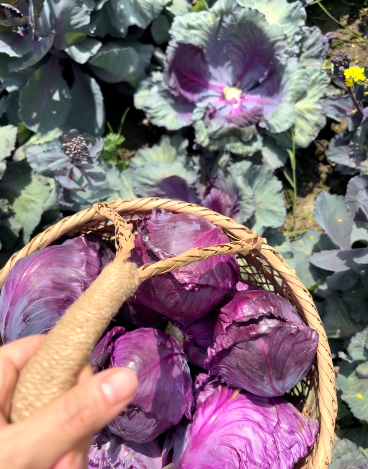
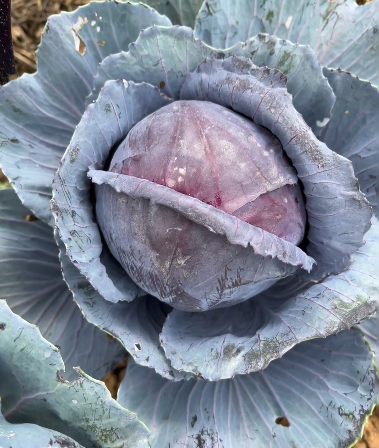
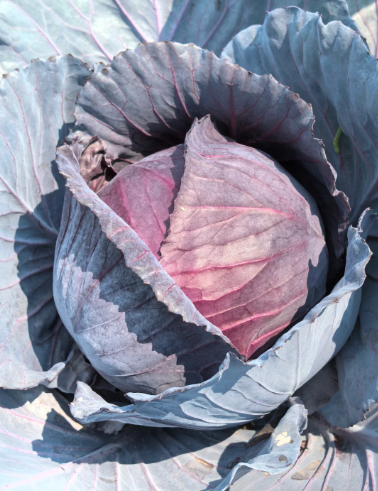

purple vegetables:red cabbage
Purple cabbage, also known as red cabbage or red broccoli, is a variety of Brassica oleracea var. capitata in the family Cruciferae and genus Brassica. Purple cabbage is a comprehensive nutritional food that is suitable for people of all ages. It can be eaten raw or cooked and has excellent health benefits. So what are the functions and effects of purple cabbage? And what is the difference between purple cabbage and cabbage? Let's find out together. What is the difference between purple cabbage and cabbage? Kale is one of our common vegetables, which can be divided into purple kale and green kale based on their different colors. The purple variety is known as purple kale, while the green one is commonly referred to as cabbage, also known as Chinese cabbage. Purple cabbage and cabbage belong to the same cabbage variety. Apart from the significant difference in color, they are quite similar in other respects. Therefore, many people mistakenly believe that purple cabbage is "dyed" cabbage, but this idea is actually incorrect. Upon careful distinction, there are some differences in their appearance. The stems, leaves, and overall shape of purple cabbage are close to spherical, hence it is also commonly referred to as purple Chinese cabbage. On the other hand, the leaves of cabbage are wrapped layer by layer, forming a spherical shape. Additionally, there is little difference in nutritional content between purple cabbage and cabbage, but purple cabbage is richer in anthocyanins. What are the benefits and functions of purple cabbage? 1. Delay aging Purple cabbage is rich in anthocyanins, which act as potent antioxidants, helping to combat aging and maintain skin vitality. 2. Prevent stroke Purple cabbage is rich in folic acid, which plays a significant role in preventing stroke, preventing Alzheimer's disease, and even promoting fetal development. 3. Detoxification and liver protection The chemical composition of purple cabbage contains cysteine and high-quality protein, which can assist the liver in detoxification. 4. Prevent cardiovascular diseases Purple cabbage contains anthocyanins and crude fiber, which can help us lower cholesterol, enhance vascular toughness, and clean up "vascular debris". 5. Nourish the stomach and moisturize the intestines The "ulcer healing factor" found in purple cabbage exhibits an exceptionally effective therapeutic effect on ulcers, accelerating wound healing, making it an ideal food for patients with gastric ulcers.
Related posts
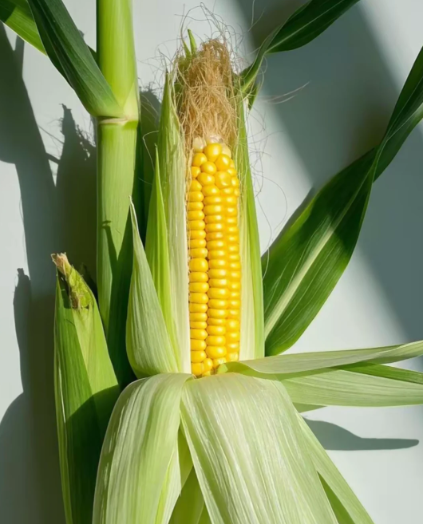
vegetables yellow color:corn
Corn is the seed of the grass family plant Zea mays, also known as Baogu, Baomi, Zhumushu, Zhenzhumi, etc. It originated in Mexico and Peru in Central America,…
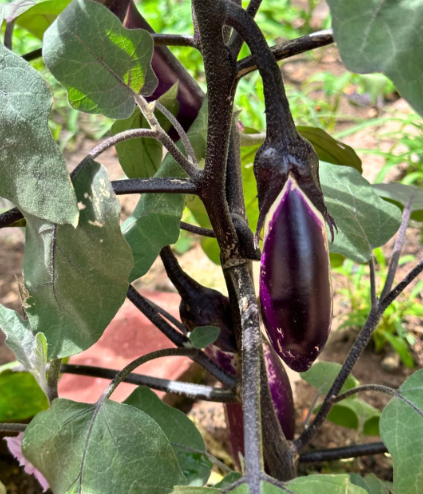
purple vegetables:eggplant
Eggplant is one of the few purple vegetables and a very common household vegetable on the dining table. Its purple skin contains abundant vitamin E and vitamin…
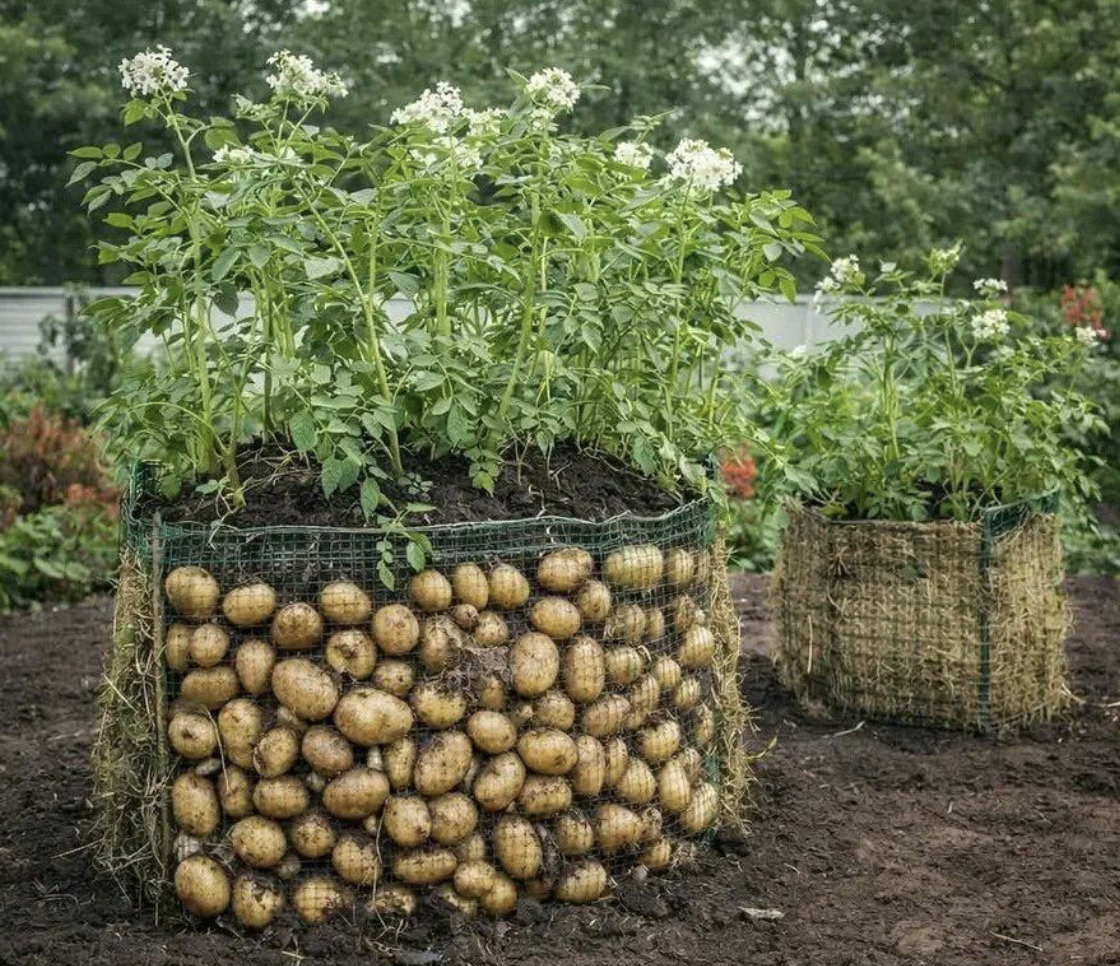
how to plant potatoes?
how to plant potatoes-如何种植土豆
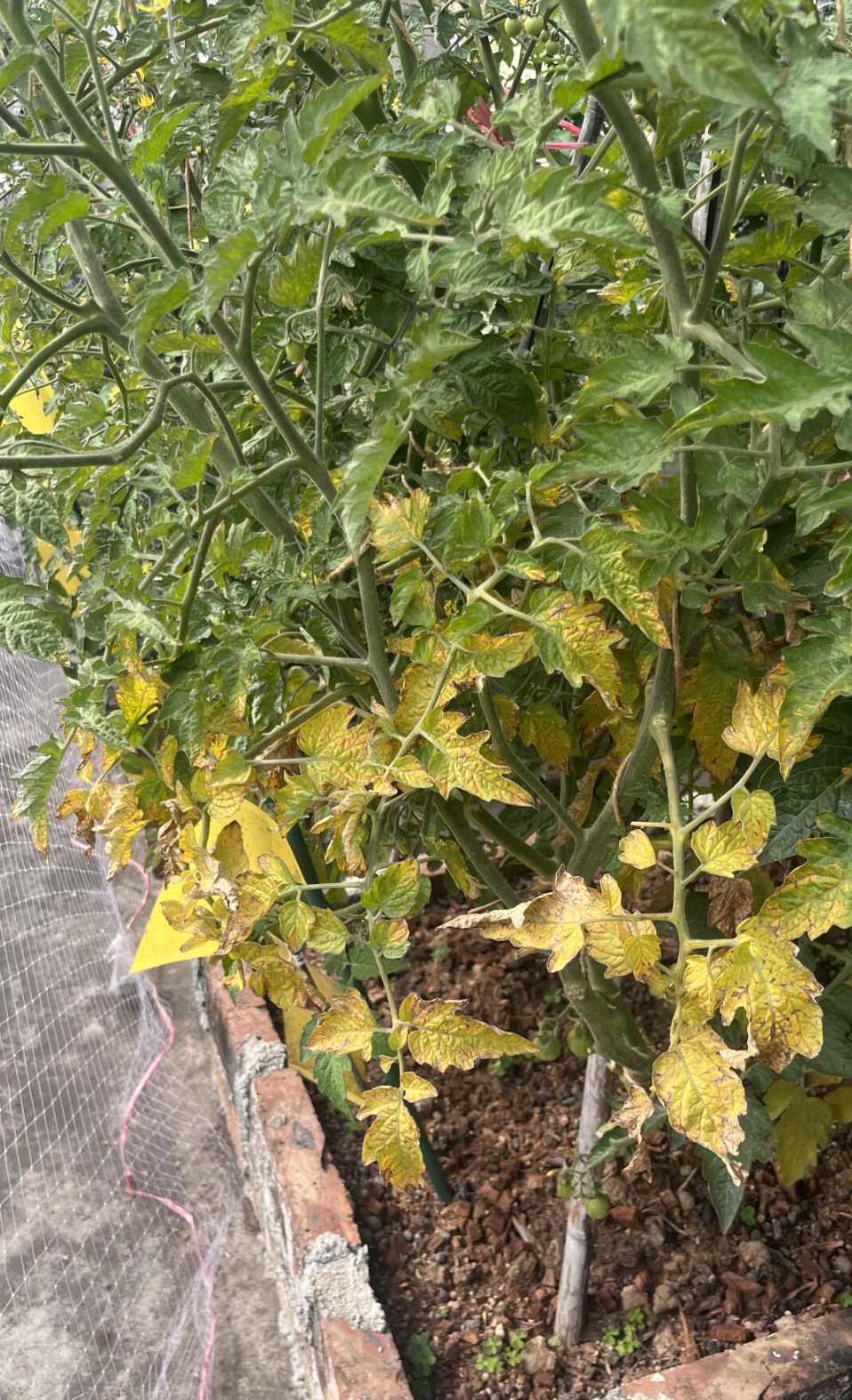
Why Are My Plant Leaves Turning Yellow? (7 Common Causes and How to Fix It)
If you’ve noticed your plant leaves turning yellow, you’re not alone. This is one of the most common problems plant owners face. Yellow leaves can happen for ma…

plant identification
plant identification Oxalis: A Versatile and Charming Plant with Diverse Forms Oxalis (commonly known as shamrock or sorrel) is a genus of flowering plants in…
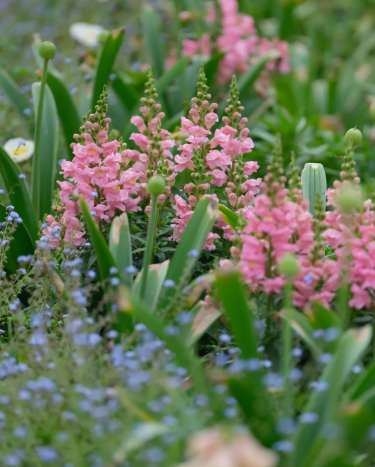
Goldfish grass is a colorful girl's dream
To make the goldfish grass burst in the pot, the core is sufficient light, timely heart picking, frequent application of thin fertilizer, and post flower prunin…