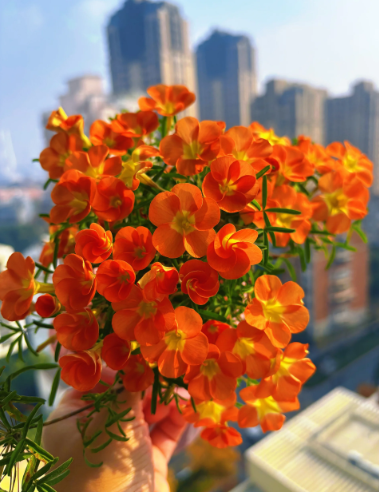
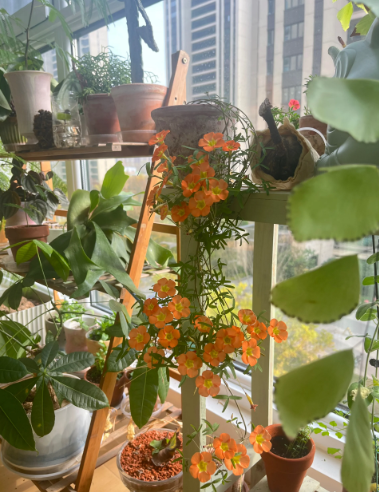
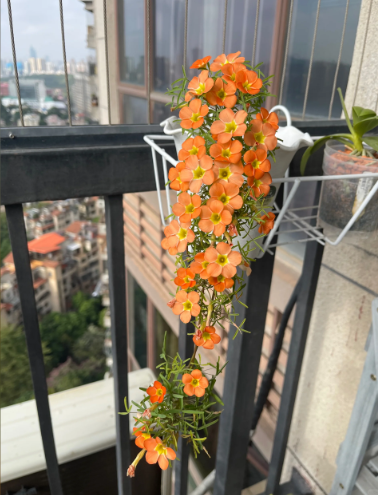

plant identification
plant identification Oxalis: A Versatile and Charming Plant with Diverse Forms Oxalis (commonly known as shamrock or sorrel) is a genus of flowering plants in the family Oxalidaceae, comprising over 300 species of annual, biennial, and perennial herbs. Native to tropical and subtropical regions worldwide, it is celebrated for its delicate foliage, vibrant blooms, and adaptability to both outdoor gardens and indoor spaces. I. Core Characteristics & Classification Morphological Features: Leaves: Most species display trifoliate leaves (three leaflets) that fold upward at night or in low light, mimicking the movement of Mimosa pudica. Leaf colors range from green to variegated white/pink, with shapes varying from heart-shaped to arrowhead-like. Flowers: Small, five-petaled blooms in shades of pink, white, yellow, purple, or bicolor combinations. Flowering periods vary by species, with some blooming year-round in warm climates. Roots: Many species form bulbils (small bulb-like structures) in leaf axils, enabling rapid vegetative propagation. Key Species: Oxalis acetosella (Wood Sorrel): A perennial native to Europe and Asia, with heart-shaped leaves and white/pink flowers; leaves have a tangy, oxalic acid-rich taste. Oxalis triangularis (Purple Shamrock): A popular indoor plant with deep purple, triangular leaves and bright yellow flowers. Oxalis corniculata (Creeping Woodsorrel): A widespread annual weed with small yellow flowers and creeping stems, common in lawns and gardens. Oxalis debilis (Delicate Wood Sorrel): A bulbous perennial with white or pink flowers, often used in rock gardens. II. Global Distribution & Habitat Native Range: Tropical and subtropical regions of the Americas, Europe, Africa, and Asia. Adaptability: Thrives in diverse environments, from forest floors and rocky slopes to urban gardens and disturbed soils. Some species are invasive in regions like Australia and New Zealand due to their rapid spread via bulbils. III. Care Guide (Indoor & Outdoor) Light: Prefers bright, indirect light; tolerates partial shade. Direct sun may scorch leaves, while low light reduces flowering. Water: Keep soil lightly moist but well-draining. Reduce watering in winter (dormant period for many species). Avoid waterlogged soil to prevent bulb rot. Soil: Rich, loamy soil with a slightly acidic to neutral pH (6.0–7.0). Add perlite or sand for drainage. Temperature: Ideal range: 15–25°C (59–77°F). Most species are frost-sensitive; bring indoors before temperatures drop below 10°C (50°F). Fertilizer: Apply diluted liquid fertilizer monthly during the growing season (spring/summer). Stop fertilizing in fall/winter. Propagation: Easily propagated via bulbils (pinch off and plant in moist soil) or seeds (slow germination). IV. Common Issues & Solutions Leaf Yellowing: Often caused by overwatering, poor drainage, or nutrient deficiency. Check soil moisture and repot if root-bound. Pest/Disease: Susceptible to aphids, spider mites, and fungal issues (e.g., leaf spot) in humid conditions. Treat pests with insecticidal soap; improve air circulation to prevent fungi. Dormancy: Some species enter dormancy in winter, shedding leaves and flowers. Reduce watering and provide cool, dry conditions until spring. V. Cultural & Practical Significance Symbolism: The three-leaf clover (Oxalis acetosella) is associated with luck in Irish folklore, though distinct from the true shamrock (Trifolium repens). Culinary Use: Edible species (e.g., O. acetosella, O. corniculata) have tangy, lemon-flavored leaves used in salads, garnishes, or teas. Contains oxalic acid—consume in moderation to avoid kidney stone risks. Ecological Role: Provides nectar for pollinators (bees, butterflies) and stabilizes soil in disturbed areas.
💡 Care Tips
plant identification
Related posts
identify house plants
Many plants can be raised indoors, such as chlorophytum comosum, ivy, green apple, asparagus, white palm, tiger skin orchid, fortune tree, Dracaena sanderiana,…
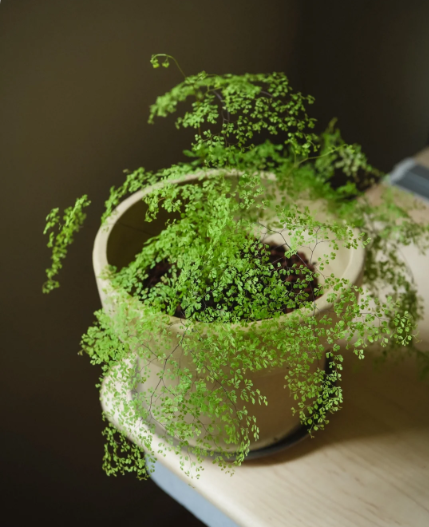
indoor plant identification
It can accurately identify over 35000 species of plants, fungi, and lichens from around the world. In addition to scientific (Latin) names, we will also provide…
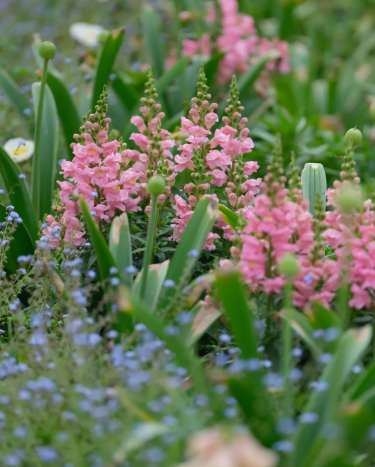
Goldfish grass is a colorful girl's dream
To make the goldfish grass burst in the pot, the core is sufficient light, timely heart picking, frequent application of thin fertilizer, and post flower prunin…
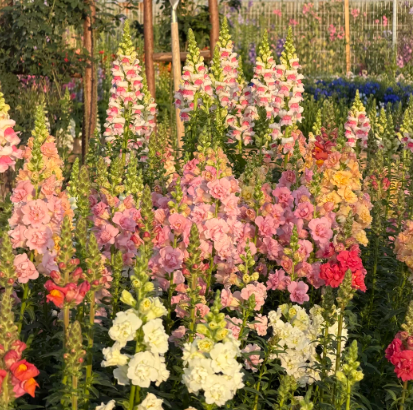
goldfish plant
Antirrhinum majus L. is a perennial herbaceous plant in the Scrophulariaceae family, native to the Mediterranean region. It is named after its flower shape rese…
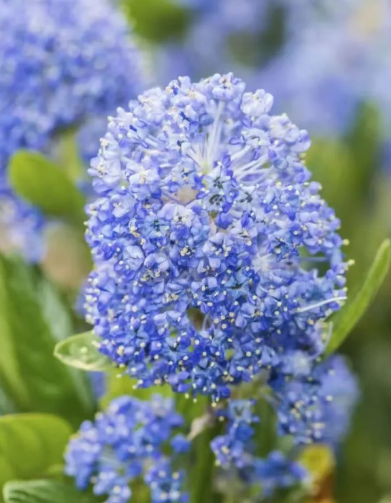
california lilac plants
Scientific name: Ceanothus, commonly known as California Lilac in English, although its name contains the word "lilac", it does not actually belong to the true…
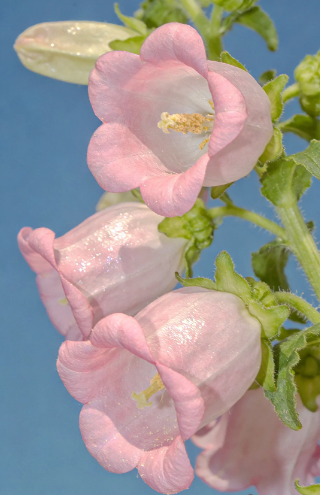
campanula plant
Windbell grass is a biennial perennial herbaceous plant, also known as hanging bell flower or tile tube flower. Its flowers are bell shaped and resemble wind ch…