Anthaly app: identify plants and pests from photos

Use the Anthaly app to identify plants and detect pests or diseases from photos.

Download Anthaly to identify
how to plant a tree
#how to plant a tree

how to plant a tree

Step 1: Level the ground and lay a solid foundation for growth Before planting, it is necessary to clear the site, remove stones, weeds, and other debris, and level the ground to facilitate subsequent hole digging and prevent water accumulation in the roots. Step 2: Dig precise holes to leave sufficient space for the roots The size of the pit should be determined based on the size of the soil ball of the sapling. The diameter of the pit should be 30-50 cm larger than the soil ball, and the depth should be 20-30 cm deeper than the soil ball. The pit wall should be vertical and the bottom should be flat. The excavated topsoil and subsoil should be stacked separately. Step 3: Backfilling and fertilizing to nourish root growth First, backfill the topsoil, followed by the subsoil. When the backfill reaches about one-third of the tree pit, apply base fertilizer and mix it thoroughly with the soil. Then, cover the base fertilizer with soil to avoid burning the roots. Step 4: Standardize planting to ensure the saplings take firm root Carefully remove the nutrient bag or wrapping material from the sapling, place the sapling into the hole, ensuring that the top of the soil ball is flush with the ground surface and the trunk is vertical. When backfilling the soil, compact it in layers and shape it into a Mantou (steamed bun) to avoid shaking the trunk. Step 5: Install supports, protect against wind and ensure dryness to safeguard the seedlings After planting, it is necessary to use a support pole to fix the tree trunk. The support height should be 1/2 to 2/3 of the trunk. The bottom should be firmly tied and padded with soft material at the contact point with the trunk to prevent wind damage. Step 6: Water the cofferdam thoroughly to establish the roots Build a cofferdam around the tree trunk with a height of 10-20 cm, and slowly and evenly water the tree until the water penetrates to the bottom of the pit, ensuring that the root-fixing water is thoroughly absorbed. Step 7: Cover soil to conserve moisture, lock in water to promote growth After watering, cover the surface with a layer of soft, fine soil to retain soil moisture. When covering, avoid compacting the soil and ensure it remains breathable. Following the above scientific steps can effectively improve the survival rate of saplings

how to plant a tree?
#how to plant a tree

how to plant a tree?

how to plant a tree: Preparation for tree sapling selection: Prioritize locally sourced tree species that are easy to survive, and small saplings with soil balls are easier to plant. Step 1 of the step-by-step practical operation: Dig a pit that is one circle larger than the root ball, with a depth that is level with the root ball. ⚠️Caution: The pit should not be too shallow or too deep. If it's too deep, the roots may become suffocated and rot. Step 2: Support the sapling by placing it in the center, straightening it, and allowing the roots to spread naturally. ⚠️Caution: The sapling must be upright, with its roots uncurled and unbroken. Step 3. Fill the soil slowly and gently compact it. Build a small mound around it to facilitate water retention. ⚠️Caution: Do not step hard to avoid crushing the roots; the soil circle can retain moisture, making it easier to water. Step 4: Water thoroughly to settle the roots, ensuring the soil and roots are tightly bound together. ⚠️Note: Make sure to water thoroughly, not just the surface; keep it moist afterwards, but avoid frequent and heavy watering. Step 5. Reinforce the support rod by inserting 1-2 wooden sticks next to the sapling, burying them deeply and stepping on them firmly. Gently tie the trunk with a soft rope, but do not tie it too tightly, leaving room for the small tree to grow and preventing it from swaying in the wind. ⚠️Caution: Don't let the rope get caught in the bark, or it will damage the young tree; make sure to support it in strong winds.
Citrullus lanatus
#flower#plant

Citrullus lanatus

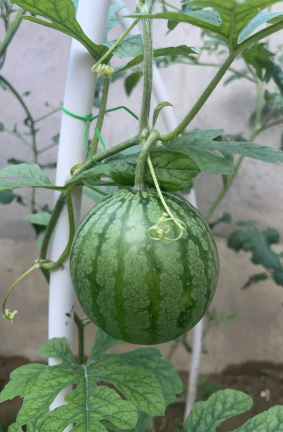
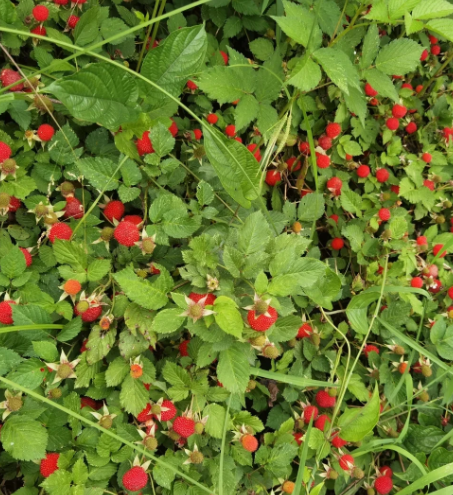
The watermelon, a perennial vine belonging to the Cucurbitaceae family and the Citrullus genus, typically has a shape resembling a sphere or ellipse, with colors ranging from dark green to light green, or featuring black-green stripes or patterns. The seeds are mostly black, oval, and pointed at the tip. The stems and branches are sturdy and covered with light yellowish-brown downy hairs. The leaves are papery, triangular-ovate, with wavy edges. The flowering and fruiting period occurs from May to June. The watermelon received its name because it was introduced to China from the Western Regions in the 9th century. The origin of watermelon is in the arid desert regions of tropical Africa. It is primarily cultivated in tropical areas and has been grown in southern Xinjiang and Central Asia for over 1,000 years. Watermelon thrives in a warm and dry climate, but is not tolerant to cold. It is drought-resistant but not wet-tolerant, prefers sunlight, and requires a large amount of fertilizer. Sandy soil with loose texture, deep soil layer, and good drainage is the best for its growth. The main breeding methods are grafting and seed propagation. Through seed propagation, with the help of external forces or artificial cultivation, new watermelon seedlings will grow. Watermelon is a summer fruit with sweet flesh that can help cool down and relieve summer heat. The seeds contain oil and can be used as a snack food. The rind is used medicinally, with effects of clearing heat, promoting diuresis, and lowering blood pressure.

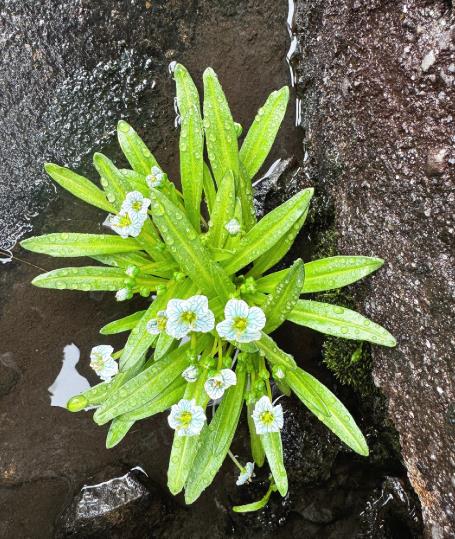
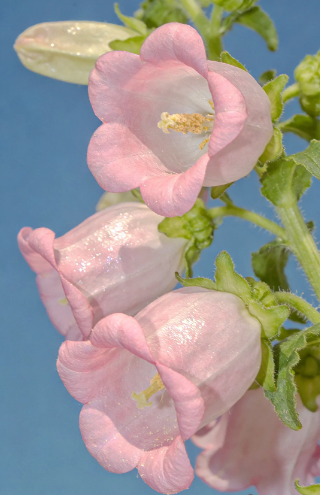
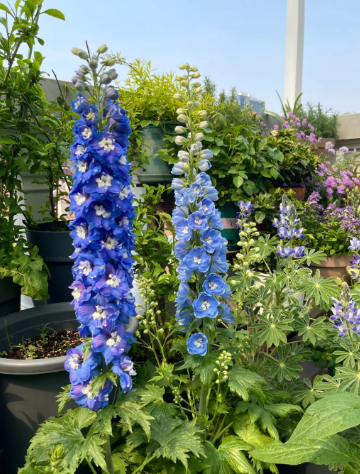
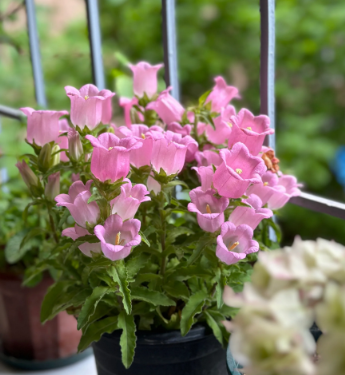
Campanula L.Campanula plants are non-toxic to both cats and dogs, so you can safely care for them
#Campanula L.#www.anthaly.com

Campanula L.Campanula plants are non-toxic to both cats and dogs, so you can safely care for them

Pet-friendly plants Campanula (Latin name: Campanula L.) is an annual, biennial, or perennial herb belonging to the Campanulaceae family. Its flowers are bell-shaped and usually blue, preferring a cool summer and mild winter climate, It prefers a sunny environment with sufficient light, but can also tolerate partial shade. There are over 200 species of Campanula, almost all of which are found in the northern temperate zone. Most species are native to the northern part of Eurasia, with a few occurring in North America. The name of Campanula comes from its flower shape, which resembles a bell. Its flowers have a morning glory-like shape, but are more elegant than morning glory. Most importantly, the shape of this flower's petals is bell-shaped, It gives a particularly perfect feeling, and the color is a slightly serene blue, with bright patterns and high ornamental value. Campanula, a diverse plant species, is mostly found in temperate regions. Most of the varieties cultivated at home are perennial, allowing them to bloom repeatedly, Its flowering period generally occurs in the spring of each year. The flowering time is relatively long, with flowers blooming for up to two months. It is a heliotropic plant, preferring areas with ample sunlight. When it is a seedling, it is only suitable for living in an environment with a temperature ranging from 10 to 18 degrees Celsius. When it forms flower buds, it prefers an environment with a temperature of 22 degrees. It is not tolerant to high temperatures and prefers a cool climate. High temperatures in summer can cause the plant leaves to turn yellow and wilt. The low temperatures in winter can also affect Campanula, and special attention should be paid in the north. Campanula is relatively drought-resistant, so it should be watered when it is dry and when it is damp. Pet-safe plants,

Ceratostigma plumbaginoides
#flower#plant

Ceratostigma plumbaginoides

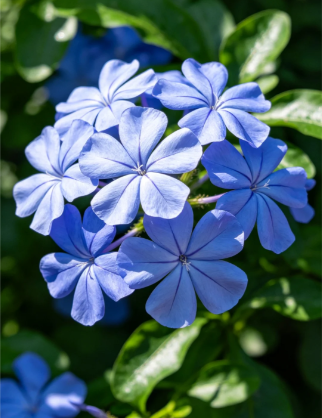
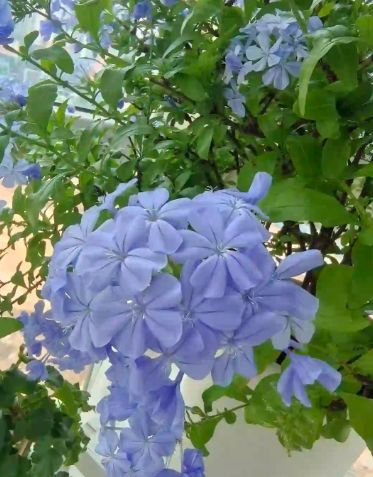
Pet-friendly plants Blue snowflakes, like beautiful blue sprites, bloom splendidly in the blazing summer sun. The touch of blue is serene, making one cannot help but want to get closer. Blue snowdrops are ideal for planting on balconies or in courtyards. In summer, they burst into bloom, with clusters of blue flowers adorning the entire branches, looking particularly beautiful. Blue snowdrops are also easy to care for. Just keep the soil moist without letting it dry out. When they bloom, they can be exposed to some sunshine. However, if the sunlight is too strong in summer, you can provide some shade as necessary. Blue snowdrops will bloom throughout the summer, one crop after another, lasting for a long time. You can apply fertilizer a few times before flowering to ensure that the soil is sufficiently fertile, resulting in more and better-looking flowers. Blue snowflake can be propagated by cuttings. I haven't grown this kind of flower before, but last week I saw a cutting technique shared by a fellow gardener, A branch of Blue Snowflake plant grows roots after being planted in soil for just one week. I really want to try it too. The blue snowdrop has strong vitality. When propagating by cuttings, choose robust branches, cut them into small segments, and plant them in nutrient-rich soil. They can generally take root within a week. The heat-resistant "flowering machine" produces more flowers with more sunlight, has fewer pests and diseases, and is non-toxic to cats and dogs.

Why Are My Plant Leaves Turning Yellow? (7 Common Causes and How to Fix It)
#anthaly#plant

Why Are My Plant Leaves Turning Yellow? (7 Common Causes and How to Fix It)

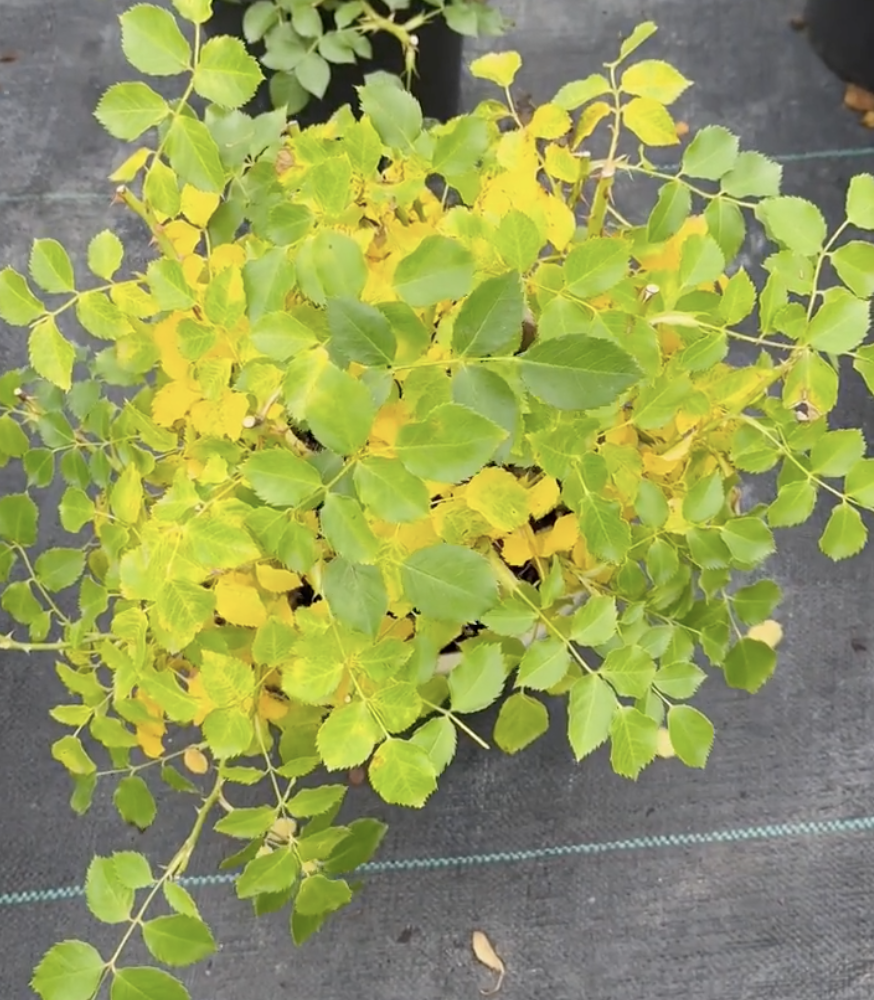
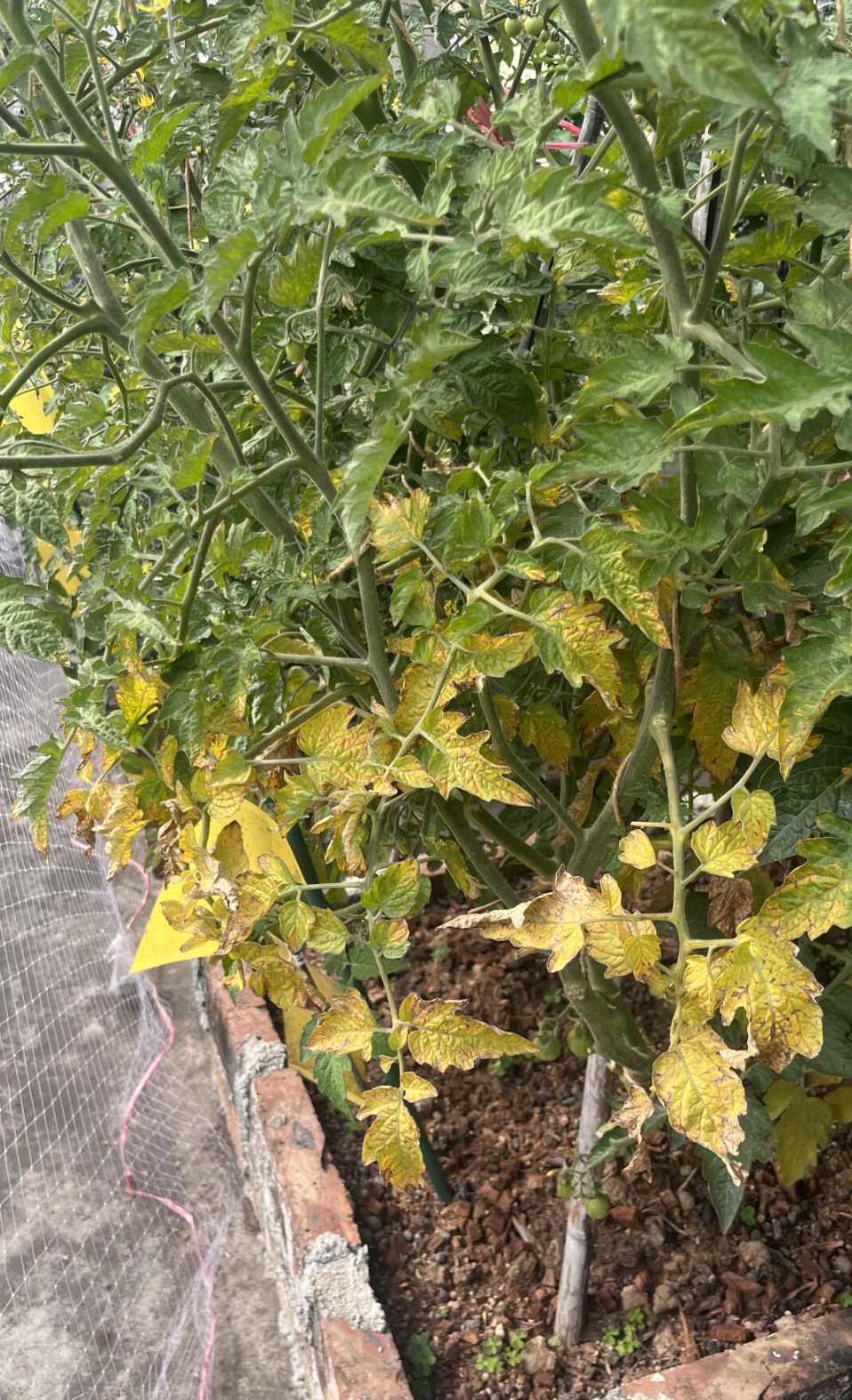
If you’ve noticed your plant leaves turning yellow, you’re not alone. This is one of the most common problems plant owners face. Yellow leaves can happen for many reasons, including watering issues, poor lighting, nutrient deficiencies, or plant diseases. The good news is that most causes of yellow leaves can be fixed once you understand what your plant is trying to tell you. In this guide, we’ll explore the most common reasons plant leaves turn yellow and what you can do to bring your plant back to health. 1. Overwatering Overwatering is the most common cause of yellow leaves. When plants receive too much water, their roots can’t get enough oxygen. This can lead to root rot, which prevents the plant from absorbing nutrients properly. Signs of overwatering Yellow leaves that feel soft or mushy Soil that stays wet for many days Leaves dropping off easily How to fix it Let the soil dry out before watering again Make sure your pot has drainage holes Use well-draining soil 2. Underwatering Plants also turn yellow when they don’t receive enough water. When the soil becomes too dry, the plant struggles to transport nutrients from the roots to the leaves. Signs of underwatering Yellow leaves that feel dry and crispy Drooping stems Dry soil pulling away from the pot How to fix it Water deeply until water drains from the bottom Maintain a consistent watering schedule 3. Lack of Sunlight Plants need light to perform photosynthesis. Without enough light, leaves may turn pale or yellow. This is especially common for indoor plants placed in dark corners. How to fix it Move the plant closer to a window Provide indirect sunlight Rotate the plant regularly so all sides receive light 4. Nutrient Deficiency Yellow leaves can also be caused by a lack of essential nutrients, especially nitrogen. Nitrogen helps plants maintain healthy green leaves. Signs of nutrient deficiency Older leaves turning yellow first Slow growth Small or weak leaves How to fix it Use a balanced plant fertilizer Repot the plant with fresh soil if nutrients are depleted 5. Natural Aging Sometimes yellow leaves are completely normal. Older leaves naturally turn yellow and fall off as the plant grows new ones. If only a few older leaves are yellow while the rest of the plant looks healthy, there’s usually nothing to worry about. 6. Temperature Stress Plants are sensitive to temperature changes. Sudden cold drafts, air conditioning, or heating vents can stress plants and cause leaves to turn yellow. How to fix it Keep plants away from vents and heaters Maintain a stable indoor temperature Avoid placing plants near cold windows during winter 7. Pests or Plant Diseases Certain pests and fungal diseases can also cause yellow leaves. Common culprits include: spider mites aphids fungal leaf spots These problems can spread quickly if not treated early. If you are unsure what pest or disease is affecting your plant, you can use the plant diagnosis feature in the Anthaly app. Simply take a photo of your plant, and the app will help identify possible plant diseases and provide treatment suggestions. How to Quickly Identify the Cause Because many plant problems look similar, it can sometimes be difficult to determine the exact cause of yellow leaves. Instead of guessing, many plant owners use plant identification tools to diagnose problems faster. For example, the Anthaly app allows you to: identify plants instantly from photos detect plant diseases get care and treatment advice learn how to revive unhealthy plants This makes it much easier to understand what’s happening to your plant and take the right action. Final Thoughts Yellow leaves are often a sign that your plant needs attention, but the problem is usually easy to fix once you identify the cause. Start by checking: watering habits light conditions soil quality possible pests or diseases With the right care, most plants can recover and grow healthy green leaves again. And if you ever feel unsure about what’s happening to your plant, tools like Anthaly can help you quickly identify plant problems and keep your plants thriving.

What Plant Is This? A Simple Question That Technology Can Finally Answer
#anthaly#flower

What Plant Is This? A Simple Question That Technology Can Finally Answer

You see a plant while walking through a park, hiking on a trail, or watering your garden. The leaves look unique, the flowers are beautiful, and curiosity kicks in. What plant is this? This question is one of the most common questions people ask about nature. For centuries, answering it required botanical books, expert knowledge, or help from professional gardeners. Today, things have changed dramatically. With artificial intelligence and smartphones, identifying plants has become fast, simple, and accessible to everyone. Modern plant identification tools allow anyone to take a photo and instantly learn what they are looking at. Why People Want to Identify Plants There are many reasons people want to know the name of a plant. Some are practical, while others come from pure curiosity. Gardeners want to understand how to properly care for plants in their yard. Hikers want to know what species they are seeing on trails. Pet owners want to know if a plant could be dangerous for their animals. Homeowners want to understand whether a plant is a weed or something worth keeping. Sometimes, the question appears after a problem begins. Leaves start turning brown. Small holes appear. The plant suddenly stops growing. Before solving the issue, the first step is always the same: Identify the plant correctly. The Difficulty of Traditional Plant Identification Plants can look extremely similar. Many species share nearly identical leaves, colors, or growth patterns. Small differences in leaf edges, vein structures, or flower shapes may completely change the identification. Traditional identification usually involves: comparing photos in plant guides checking botanical classification asking gardening communities waiting for someone knowledgeable to respond This process can take hours or even days. For beginners, it can also be frustrating. The Rise of AI Plant Identification Artificial intelligence has changed how people interact with the natural world. Image recognition systems can now analyze patterns in plants much faster than humans. By studying millions of plant photos, these systems learn to recognize details like: leaf shape texture flower arrangement color variation plant structure When a user takes a photo, the system compares it with its trained dataset and suggests possible matches within seconds. This is why plant identification apps have become extremely popular. A New Tool for the Question “What Plant Is This?” One example of this new generation of tools is Anthaly, a plant identification and plant health detection app currently available on iOS. Anthaly was designed around a very simple idea: People don’t just want plant names. They want answers and solutions. Instead of stopping at identification, the app also looks at plant problems and helps users understand what might be happening. How Anthaly Helps Plant Owners Many plant apps focus only on recognition. However, in real life, plant owners often need more help than just a label. Anthaly aims to assist with several common plant-related situations. Instant Plant Recognition Users can take a picture of a plant, leaf, or flower and quickly receive identification results. This helps answer the classic question: what plant is this? Whether the plant is in a garden, inside a home, or growing in the wild, a quick scan can reveal useful information. Detecting Plant Diseases Plant diseases can spread quickly if ignored. Yellowing leaves, dark spots, or unusual patterns may signal infection or nutrient imbalance. Anthaly analyzes these visual clues and helps users understand possible causes. Identifying Pest Problems Tiny insects can do significant damage before people even notice them. By scanning affected areas, users can better understand whether pests might be involved. Helping Beginners Learn Not everyone has botanical knowledge, and that is perfectly normal. Tools like Anthaly simplify complex information so beginners can still care for plants successfully. Everyday Situations Where Plant Identification Helps Plant identification technology is useful in more situations than people expect. Someone may move into a new home and inherit a garden filled with unknown plants. A traveler might see a beautiful flower and want to learn its name. A parent may want to know if a plant is safe for children or pets. A gardener may suddenly notice that a once-healthy plant is declining. In each case, the starting point is the same simple question. What plant is this? From Curiosity to Knowledge Once people start identifying plants, they often become more interested in nature. Recognizing species creates a stronger connection with the environment. You begin noticing plants you previously ignored. Street trees become identifiable. Wildflowers gain names. Garden plants become easier to manage. Technology doesn’t replace nature knowledge—it accelerates it. Why iPhone Users Are Turning to Plant Apps Smartphones have become the perfect tool for plant identification because they are always nearby and equipped with high-quality cameras. Since Anthaly is currently available on iOS, it focuses on delivering a smooth experience for iPhone users who want fast plant answers without complicated steps. Instead of searching the internet or browsing forums, users can simply open the app, take a photo, and get guidance quickly. The Growing Importance of Plant Awareness Plants play a huge role in our daily lives. They clean the air, support ecosystems, provide food, and improve mental well-being. Yet many people cannot identify even the most common species around them. Plant identification technology is helping close this gap. By making knowledge accessible, more people can care for plants properly and better understand the natural world. A Question Humans Will Always Ask No matter how advanced technology becomes, curiosity about nature will always remain. People will always pause, look at a leaf, flower, or unfamiliar plant, and ask: What plant is this? The difference today is that the answer no longer requires a botanist, a field guide, or hours of research. Sometimes, all it takes is a photo.

What Plant Is This? A Practical Guide to Identifying Plants with Confidence
#anthaly#flower

What Plant Is This? A Practical Guide to Identifying Plants with Confidence

At some point, almost everyone has looked at a plant and wondered: “What plant is this?” Maybe you saw a beautiful flower while walking through your neighborhood, discovered an unfamiliar plant growing in your garden, or found a houseplant that came without a label. Plant identification has always been a challenge for beginners and even experienced gardeners. Fortunately, modern technology has made this process far easier than ever before. Today, plant identification apps allow anyone to instantly discover the name, characteristics, and care requirements of almost any plant simply by taking a photo. Why Identifying Plants Matters Knowing what plant you are looking at is more important than many people realize. Proper identification helps you: Understand how to care for the plant Determine whether it is safe for pets or children Detect diseases early Prevent invasive species from spreading Learn about the natural environment around you For gardeners, plant identification can mean the difference between a thriving garden and a struggling one. Each species has its own needs—sunlight, watering schedule, soil conditions, and climate tolerance. If you misidentify a plant, you might treat it incorrectly and cause unnecessary damage. The Old Way vs. The Modern Way Traditionally, identifying plants required thick field guides, botanical knowledge, or help from experts. You had to compare leaf shapes, flower structures, stem patterns, and seasonal changes. While this method can still be useful, it is time-consuming and difficult for most people. Now, artificial intelligence has transformed plant identification. With a smartphone camera and the right app, the answer to “what plant is this?” can appear in seconds. Using AI to Identify Plants AI-powered tools analyze visual patterns in leaves, flowers, bark, and growth structures. These systems are trained on large botanical datasets and can recognize thousands of plant species. One tool designed specifically for this purpose is Anthaly, a plant identification and plant health assistant available on iOS. The goal of Anthaly is simple: Help users instantly answer the question — what plant is this — and understand how to care for it. How Anthaly Helps Identify Plants Anthaly focuses on solving real problems plant lovers face every day. Instead of only giving a plant name, it also helps users understand the condition of the plant. Key capabilities include: 1. Instant Plant Identification Take a photo of a leaf, flower, or entire plant. The AI analyzes the image and provides the most likely species. This is especially helpful when encountering unfamiliar plants outdoors or identifying new plants in your home. 2. Plant Disease Detection Plants often show subtle warning signs before serious damage occurs. Spots on leaves, discoloration, curling edges, or unusual growth patterns may indicate disease or pests. Anthaly analyzes these visual symptoms and helps users recognize potential issues early. 3. Pest Diagnosis Many plant problems come from insects that are difficult to identify. By scanning affected leaves or stems, users can better understand what might be harming their plant and take action sooner. 4. Simple Explanations Instead of overwhelming users with technical botanical terms, Anthaly aims to provide practical explanations that everyday plant owners can understand. A Common Real-World Scenario Imagine walking through your backyard and noticing a plant you didn’t remember planting. The leaves look interesting, but you are unsure whether it’s a weed, a wildflower, or something worth keeping. You open Anthaly, take a quick photo, and within moments you have: The plant name Basic information Possible care guidance That mystery plant is no longer a mystery. Indoor Plant Owners Benefit Too Houseplants have become extremely popular in recent years. However, many people purchase plants without fully understanding their care requirements. This often leads to common questions: Why are the leaves turning yellow? Is this plant getting too much water? Is this plant toxic to pets? What plant is this? A quick scan with a plant identification app can provide immediate clarity and help prevent plant loss. Why Plant Health Detection Matters Identification is only the first step. Plants can suffer from: fungal infections nutrient deficiencies insect infestations environmental stress Early detection is critical. When caught early, many problems can be solved quickly. Tools like Anthaly help bridge the gap between professional plant knowledge and everyday plant owners. Designed for Simplicity Many plant apps overwhelm users with too many features or complicated interfaces. Anthaly focuses on a straightforward workflow: Open the app Take a photo Get results Because it is currently available on iOS, it is optimized for the Apple ecosystem and designed to work smoothly on iPhones. Learning About the World Around You Plant identification is more than a gardening tool—it can change how you see the world. Parks, sidewalks, forests, and even abandoned lots are filled with fascinating plant species. Once you start identifying plants, everyday walks become opportunities for discovery. You begin to notice: seasonal changes native species invasive plants pollinator-friendly flowers Curiosity naturally grows from a simple question: What plant is this? The Future of Plant Identification Artificial intelligence is rapidly improving. Plant recognition tools are becoming faster, more accurate, and more helpful. Soon, identifying plants and diagnosing problems may be as common as checking the weather. Apps like Anthaly represent a shift toward accessible knowledge—placing botanical insight directly in the hands of everyday people. Whether you are a gardener, nature lover, homeowner, or simply curious, the ability to quickly answer “what plant is this?” makes exploring the plant world easier than ever. If you have ever found yourself staring at a leaf, flower, or mysterious garden sprout and wondering what it might be, you are not alone. With the help of modern plant identification technology, the answer is now only a photo away.