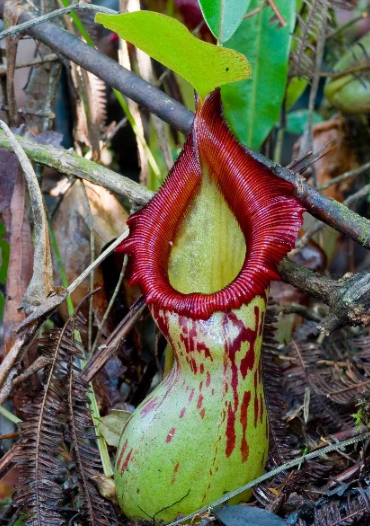
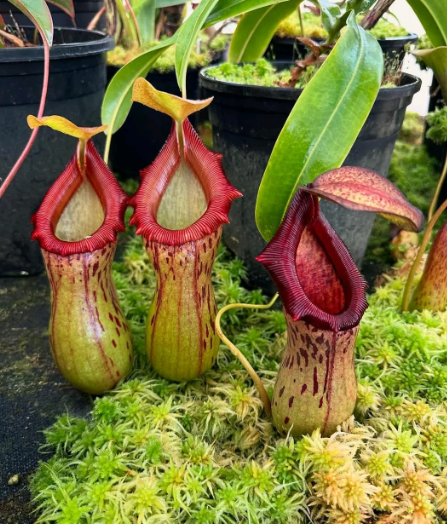

pitcher plant
There is a gentle trap hidden between green leaves and predators In the depths of the rainforest, Pitcher plants hang quietly, Like a natural dream catcher. Its bottle shaped pouch, Holding the residual dreams of rainwater and insects, As a trap, It is also a container of life. When I was young, I was always curious, Can it really devour everything? When I grow up, I understand that, This is just the wisdom of survival ——In a barren land, Learn to collect nutrients. Place one on the balcony, Look at its downward posture, Like telling: Beauty sometimes carries a hint of danger. Pitcher plants look like small cups hanging from vines. Cute, strange, and a bit like an alien plant. 🌿 But don't be fooled by its appearance - it's not a cup for holding water, but an 'insect trap'. Its most unique feature is that the leaves can deform. The leaves of ordinary plants are responsible for sunbathing, while pitcher plants have transformed some of their leaves into bottle shaped insect traps: with lids on top, smooth edges, and digestive juices inside. Insects are attracted by color, scent, or nectar glands, and if they accidentally step on the slippery opening of the cage, they will fall into the "cup". ⚠️ After falling in, things didn't look too good. The inner wall of Nepenthes is smooth, making it difficult for insects to crawl out; The bottom liquid will slowly decompose prey, helping plants obtain nutrients such as nitrogen and phosphorus. That is to say, it did not grow into a cup for fun, but because the soil in which it originally grew was poor, and it could only rely on "hunting" to supplement its nutrition. This is the most charming contrast of Nepenthes: It looks like a plant cup in a fairy tale, Essentially, it is a quiet, efficient, and precise hunting system. 🪰 What's even more interesting is that not all pitcher plants only eat small insects. Some large pitcher plants can catch larger arthropods, even small animal remains; Some pitcher plants also form subtle relationships with animals, such as providing space for small animals to stay or feed, and then obtaining nutrients from the excrement they leave behind. The natural world is never a single script, but a complete set of survival transactions. 🌱 Don't mess around with the pigsty grass. It prefers moist, bright scattered light, and relatively clean water, and is not suitable for heavy irrigation with ordinary concentrated fertilizer. Do not feed insects frequently just to see them "eat", and do not pour drinks, meat soup, or seasoning water into the cage. That's not feeding, it's injury. ⚠️ The real strength of Nepenthes lies not just in its ability to eat insects. But it evolved a leaf into a complete mechanism for trapping, sliding, trapping, and digesting. Plants are not always gentle and harmless background boards. Some plants, just standing there, have already set traps. The most advanced hunting in nature is often not chasing, but waiting.
Related posts
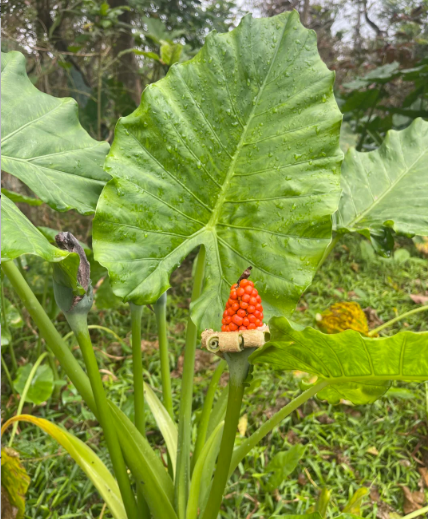
elephant ear plant:Elephant ear plant: taro with elephant ears
The term 'elephant ear plant' usually refers to elephant ear taro (also known as elephant ear or wild taro), which is a large foliage plant in the Araceae famil…
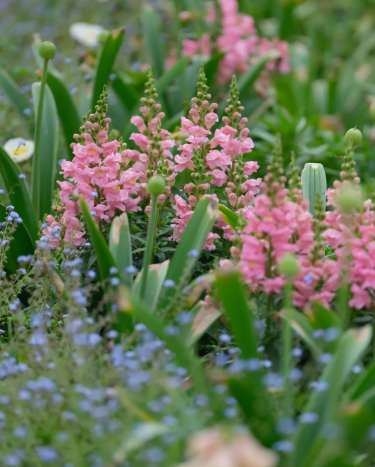
Goldfish grass is a colorful girl's dream
To make the goldfish grass burst in the pot, the core is sufficient light, timely heart picking, frequent application of thin fertilizer, and post flower prunin…
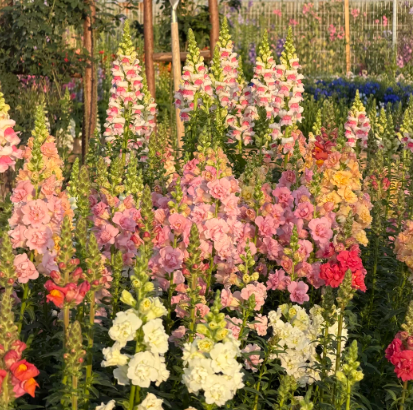
goldfish plant
Antirrhinum majus L. is a perennial herbaceous plant in the Scrophulariaceae family, native to the Mediterranean region. It is named after its flower shape rese…
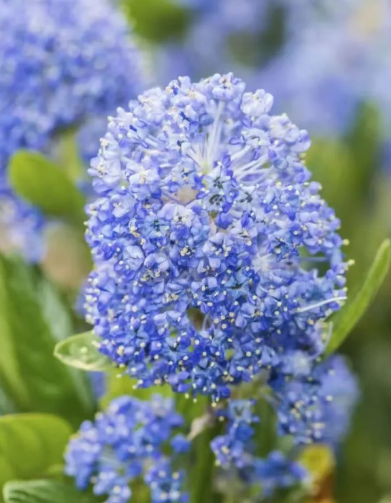
california lilac plants
Scientific name: Ceanothus, commonly known as California Lilac in English, although its name contains the word "lilac", it does not actually belong to the true…
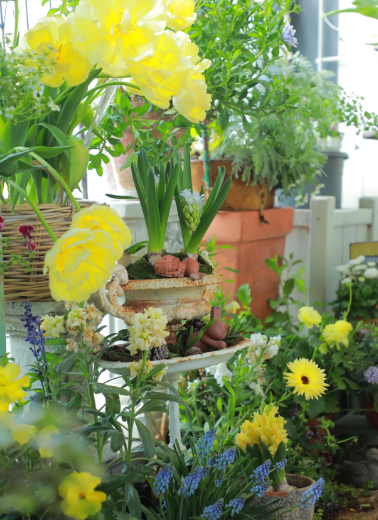
identify house plants
Many plants can be raised indoors, such as chlorophytum comosum, ivy, green apple, asparagus, white palm, tiger skin orchid, fortune tree, Dracaena sanderiana,…
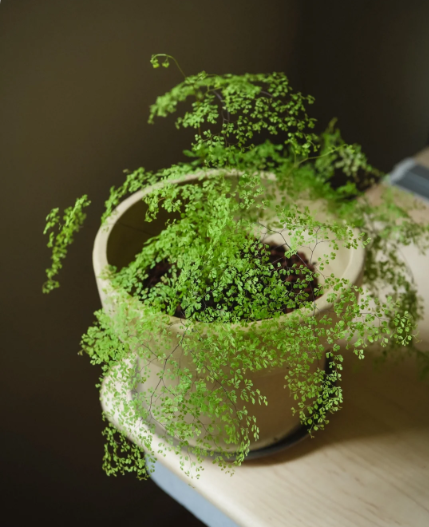
indoor plant identification
It can accurately identify over 35000 species of plants, fungi, and lichens from around the world. In addition to scientific (Latin) names, we will also provide…