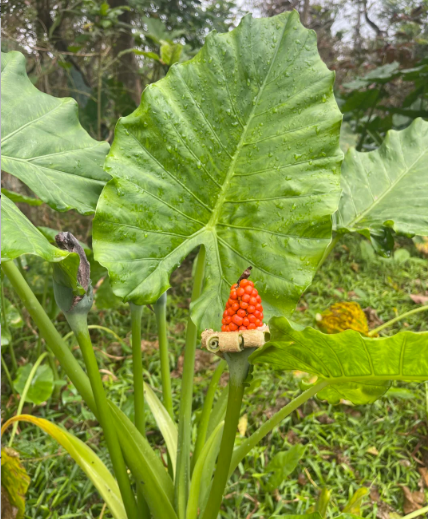
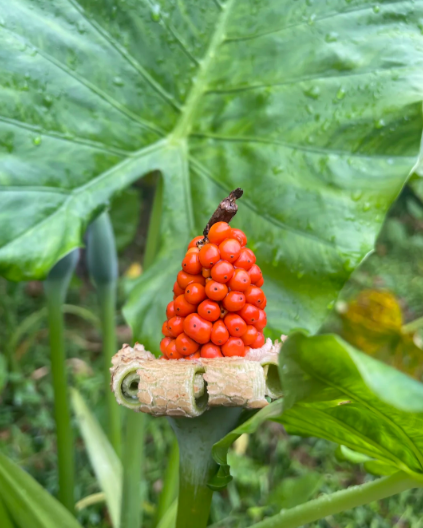
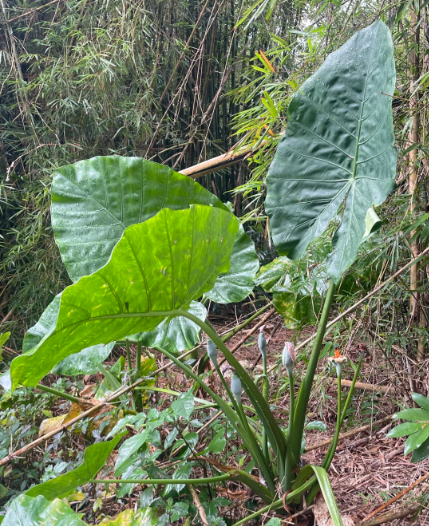

elephant ear plant:Elephant ear plant: taro with elephant ears
The term 'elephant ear plant' usually refers to elephant ear taro (also known as elephant ear or wild taro), which is a large foliage plant in the Araceae family. Named after its large leaves that resemble the ears of an elephant, it has become a popular green plant for home and garden landscaping in recent years due to its inherent tropical rainforest atmosphere. Common Varieties and Differentiation Ordinary elephant ear taro (big field taro): The leaves are huge, heart-shaped or oval shaped, and the petiole usually has a layer of white powder, with a greenish or blue-green color tone. Some varieties of petioles and underground stems can be consumed after proper processing (such as making sour taro lotus), but do not blindly consume them. Elephant ear taro "black magic": a classic dark variety with smoked purple black leaves and a high-end texture. In a well lit environment, the color will be darker, making it an excellent visual focal point for gardens or living rooms. Confusing plants (Dripping Guanyin/Sea taro): Many people confuse Elephant Ear taro with Dripping Guanyin. The differentiation method is to look at the petiole and leaves: the petiole of taro has white powder, and the leaves have a matte and velvety texture; Dripping Guanyin has smooth and shiny petioles, and strong leatheriness in its leaves. The entire plant of Drip Water Guanyin is highly toxic and extremely dangerous to consume by mistake. It is important to be cautious when purchasing and maintaining it. Core points of maintenance Lighting: prefers semi shaded environments, suitable for bright scattered light. In summer, it is necessary to provide shade (blocking about 50% of direct light) to avoid strong light burning the leaves; In winter, increasing light appropriately can help plants resist cold. Watering: prefers moisture but fears waterlogging. The growing season in spring and summer requires a large amount of water, so keeping the soil slightly moist can cause leaves to droop when lacking water; After the temperature drops in autumn and winter, watering should be reduced to keep the soil dry. Soil and Fertilization: I prefer slightly acidic humus soil that is loose, breathable, and well drained. During the growing season (spring and summer), thin fertilizer can be applied frequently, with nitrogen fertilizer as the main method to promote leaf growth. Temperature: The suitable growth temperature is 20 ℃ -30 ℃. Poor cold resistance, prone to frostbite when the temperature is below 10 ℃ in winter, and may freeze to death when the temperature is below 5 ℃. In northern winter, it is necessary to move indoors or dig out tubers to keep warm. Safety and Precautions Toxicity reminder: Elephantiasis belongs to the Araceae family, and the plant juice contains calcium oxalate crystals. Contact with the skin may cause itching, and ingestion can lead to numbness or even suffocation in the mouth and tongue. Family care advice: If there are small babies or pets at home, it is recommended to avoid planting or place them in a high/isolated area that is absolutely out of reach. It is best to wear gloves when trimming.
Related posts
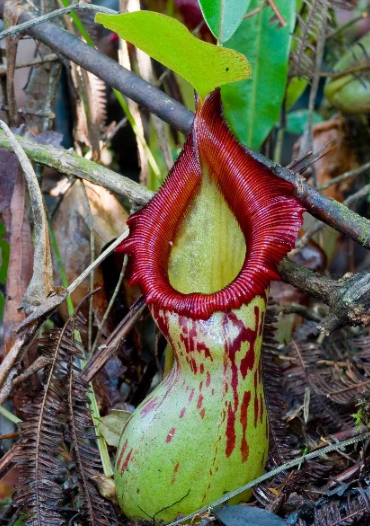
pitcher plant
There is a gentle trap hidden between green leaves and predators In the depths of the rainforest, Pitcher plants hang quietly, Like a natural dream catcher. Its…
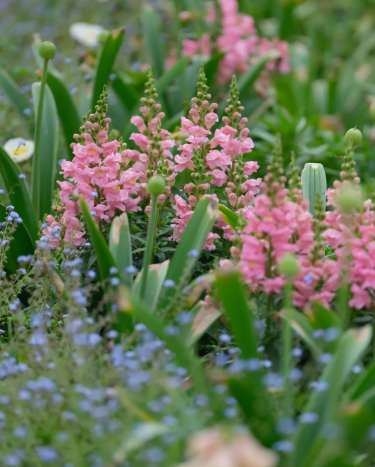
Goldfish grass is a colorful girl's dream
To make the goldfish grass burst in the pot, the core is sufficient light, timely heart picking, frequent application of thin fertilizer, and post flower prunin…
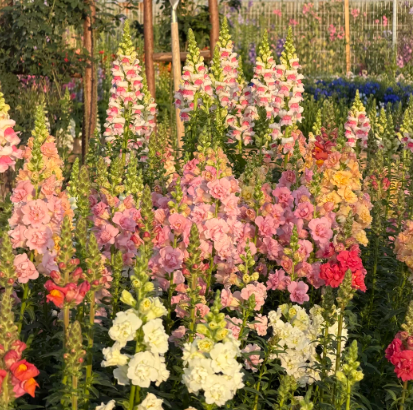
goldfish plant
Antirrhinum majus L. is a perennial herbaceous plant in the Scrophulariaceae family, native to the Mediterranean region. It is named after its flower shape rese…
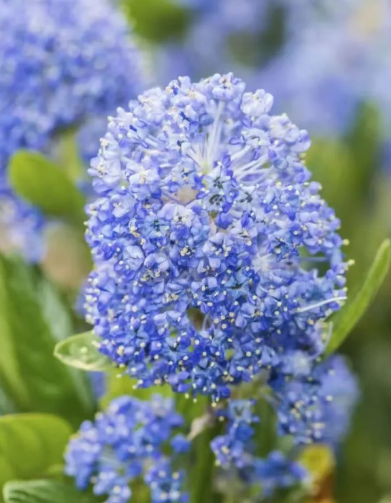
california lilac plants
Scientific name: Ceanothus, commonly known as California Lilac in English, although its name contains the word "lilac", it does not actually belong to the true…
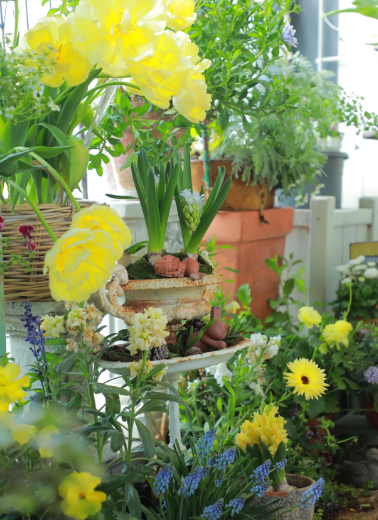
identify house plants
Many plants can be raised indoors, such as chlorophytum comosum, ivy, green apple, asparagus, white palm, tiger skin orchid, fortune tree, Dracaena sanderiana,…
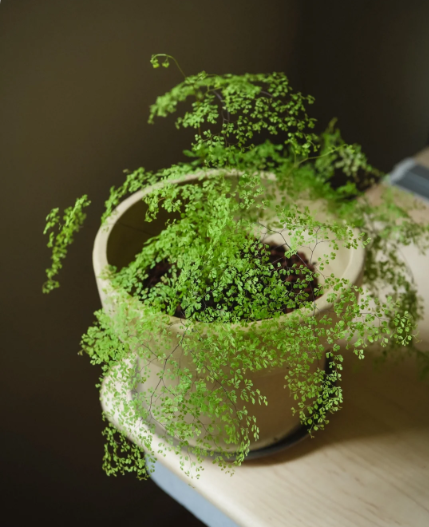
indoor plant identification
It can accurately identify over 35000 species of plants, fungi, and lichens from around the world. In addition to scientific (Latin) names, we will also provide…