
indoor plant identification
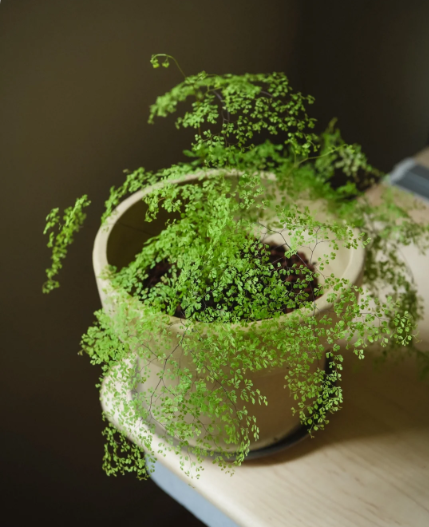
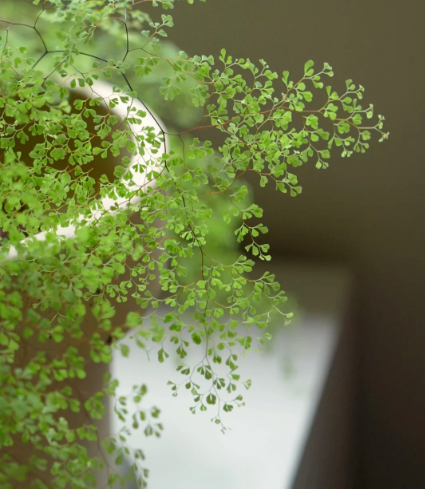
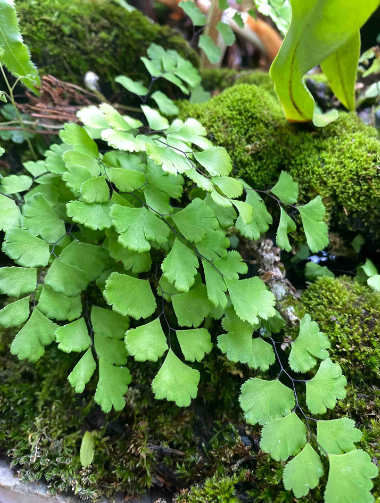
It can accurately identify over 35000 species of plants, fungi, and lichens from around the world. In addition to scientific (Latin) names, we will also provide you with common names, brief descriptions, and classification information of plants. indoor plant identification: Adiantum Adiantum: An Elegant Shade-Loving Indoor Plant and Indicator of Calcareous Soils Adiantum capillus-veneris L. (commonly known as maidenhair fern) is a perennial herbaceous plant in the Adiantaceae family, named for its ironwire-like slender stems. It combines ornamental value with medicinal properties and serves as a typical indicator species for calcareous soils. I. Core Characteristics & Distribution Morphological Features: The plant grows 0.1–0.6 meters tall, with thin, glossy chestnut-black leaf stalks and ovate-triangular leaves. Its veins are repeatedly dichotomously branched, extending to the leaf margins. The compact and elegant form can live up to 15 years Habitat Preferences: Native to the understory of tropical forests, it thrives in shaded, humid environments but avoids direct sunlight and dry conditions. It typically grows on limestone rocks near flowing streams, at the bottom of limestone caves, or on dripping rock walls, at altitudes ranging from 100 to 2800 meters Global Distribution: Widely found in Africa, the Americas, Europe, Oceania, and warm regions of Asia. In China, it is mainly distributed in Taiwan, Fujian, Guangdong, Guangxi, Hunan, Hubei, and other southern provinces, often cultivated as bonsai in parks and botanical gardens along the Yangtze River and south II. Home Care Guide (Beginner-Friendly) The core of Adiantum care is replicating its native humid, shaded environment. Follow these key points for easy maintenance: Light & Temperature Place it 1 meter away from south- or west-facing windows for indirect light; north- or east-facing windows are ideal. Maintain room temperature above 20°C, with a minimum of 15°C, avoiding cold drafts or sudden temperature fluctuations Watering & Humidity Keep the soil consistently moist but never waterlogged. During the growing season (April–October), mist daily to increase humidity; in the dormant season (November–March), maintain slight soil moisture. If air humidity drops below 45%, new leaf stalks will stop developing—use a humidifier or a water tray to boost humidity Soil & Fertilization Use loose, fertile acidic soil. Recommended mix: garden soil:leaf mold:sand = 4:5:1, or peat moss:leaf mold:sand = 4:4:2. Apply diluted organic fertilizer every 15 days during the growing season; stop fertilizing in summer and autumn Propagation & Pruning Propagate by division in spring or autumn when repotting—split the mother plant into 2–3 sections. Only prune dead or damaged leaves at the base, keeping the plant tidy III. Common Care Issues & Solutions Brown Leaves: Usually caused by excessive dryness. Replenish water immediately and increase air humidity; move away from heaters or AC vents Yellow Leaves: Often due to overwatering and root oxygen deprivation. Stop watering until the topsoil dries; if severe, repot to remove rotten roots Curled New Leaves: Caused by chlorine in tap water. Use distilled water instead of tap water for irrigation IV. Additional Value Ecological Role: As an indicator species for calcareous soils, it helps determine soil pH and serves as a key reference for ecological monitoring Medicinal Use: The whole plant can be used in traditional medicine for detoxification, heat-clearing, and hemostasis (use under medical guidance)
Related posts
identify house plants
Many plants can be raised indoors, such as chlorophytum comosum, ivy, green apple, asparagus, white palm, tiger skin orchid, fortune tree, Dracaena sanderiana,…
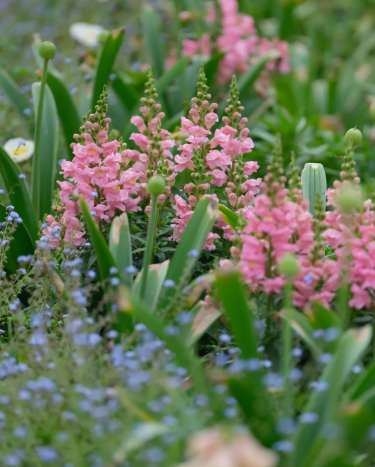
Goldfish grass is a colorful girl's dream
To make the goldfish grass burst in the pot, the core is sufficient light, timely heart picking, frequent application of thin fertilizer, and post flower prunin…
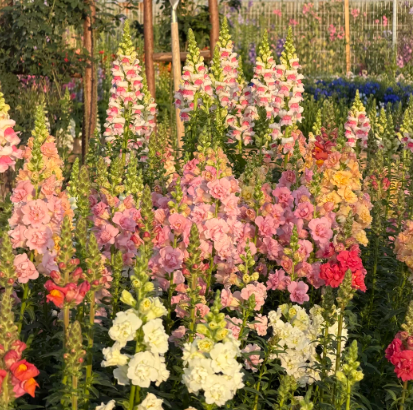
goldfish plant
Antirrhinum majus L. is a perennial herbaceous plant in the Scrophulariaceae family, native to the Mediterranean region. It is named after its flower shape rese…
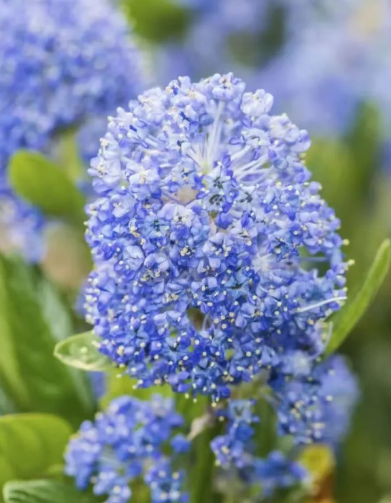
california lilac plants
Scientific name: Ceanothus, commonly known as California Lilac in English, although its name contains the word "lilac", it does not actually belong to the true…
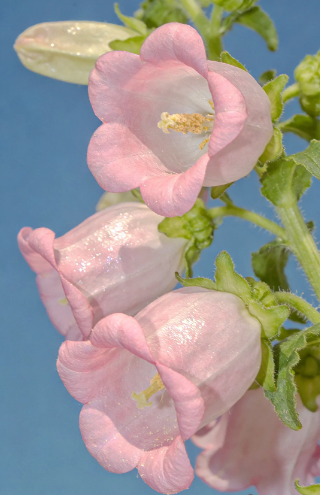
campanula plant
Windbell grass is a biennial perennial herbaceous plant, also known as hanging bell flower or tile tube flower. Its flowers are bell shaped and resemble wind ch…
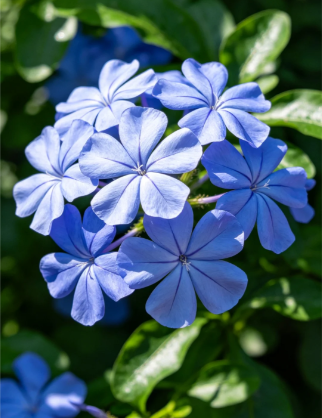
Blue Plumbago
Blue snowflakes are a flowering plant that is perfect for beginners to grow. They have a fresh and unique color, a long flowering period, and can last from late…