
Blue Plumbago
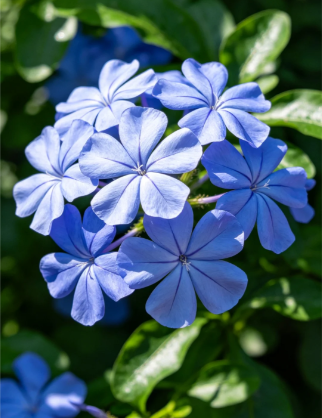
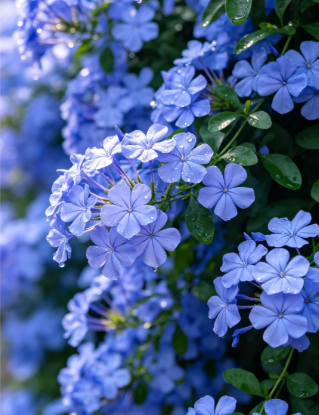
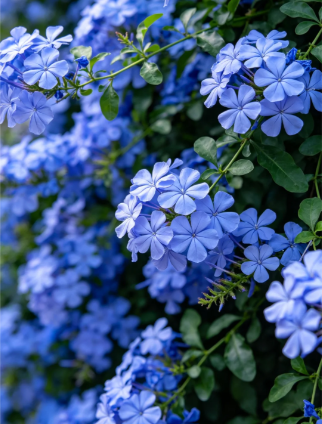
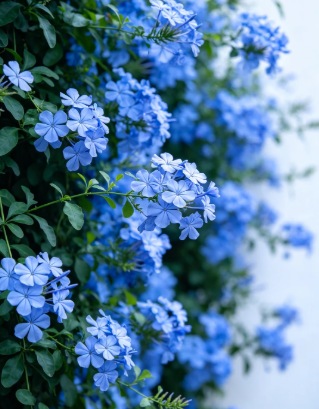
Blue snowflakes are a flowering plant that is perfect for beginners to grow. They have a fresh and unique color, a long flowering period, and can last from late spring to late autumn without any problems. Basic information of plants Scientific name: Plumbago auriculata Family: Blue Snow Family Blue Snow Genus Origin: South Africa Flowering period: May to November, with proper maintenance, it can bloom throughout the year Features: Unique light blue purple color, spike shaped flowers, sprawling branches, heat-resistant and sun resistant, with few pests and diseases
💡 Care Tips
Key points of maintenance Light exposure: I am very fond of light and ensure at least 6 hours of direct sunlight every day. The more exposed I am, the more flowers I will bloom. Lack of light can lead to excessively long branches, fewer flowers, and lighter colors. At noon in summer, it is advisable to shade the leaves by 30% to avoid the formation of burnt spots. Watering: prefers moisture and fears standing water. During the growth period (spring and summer), keep the soil slightly moist and water thoroughly once the topsoil is dry. During high temperatures in summer, watering once a day in the morning and once in the evening will immediately cause the leaves to droop and wilt due to water shortage. Reduce watering in winter and keep the soil slightly dry. Fertilization: I like to fertilize and apply a balanced compound fertilizer of nitrogen, phosphorus, and potassium every 10 days during the growth period. After the appearance of flower buds, switch to phosphorus and potassium fertilizers (such as Huaduoduo No.2 or potassium dihydrogen phosphate) every 10 days until the flowers are fully bloomed. Timely fertilization after flowering can promote rapid regrowth. Pruning: Blue snowflakes bloom on new branches, while old branches do not, so pruning is key. When the seedlings grow to 15 centimeters, they should be topped to promote lateral branches. After flowering, residual flowers and overly dense branches should be cut off, and 2-3 pairs of leaves should be retained. In winter, it can be pruned again, keeping the main branch 30-40 centimeters. Temperature: Suitable for growth at 15-28 ℃, heat-resistant but not cold resistant. If the temperature drops below 5 ℃ in winter, it needs to be moved indoors. In the north, indoor areas with heating can bloom normally. Soil: I prefer loose and well drained slightly acidic soil. You can mix humus, peat, and sand in a ratio of 7:3:2, or add perlite to increase air permeability. Key points of seasonal maintenance Spring (March May): Complete pruning before the spring buds sprout, retaining 3-4 pairs of healthy leaves. Apply nitrogen fertilizer to promote branches and leaves in March, and switch to phosphorus and potassium fertilizer to promote flowering in April. Summer (June August): 30% shade at noon, water in the morning and evening every day when the temperature is above 30 ℃. Laying crushed wood chips on the surface of the potting soil can cool down and retain water. Trim the flowers in a timely manner after flowering, and they can bloom again in 15-20 days. Autumn (September November): Full day maintenance, move indoors before the temperature drops to 10 ℃. Continue to apply phosphorus and potassium fertilizers in September, stop nitrogen fertilizer after October, and bury bone meal to enhance frost resistance. Winter (December February): Move indoors to a well lit area and maintain a temperature above 5 ℃. Watering once every 20-30 days, prefer dry over wet, and water when the temperature is high at noon. Frequently Asked Questions Not flowering: 90% of the reason is reluctance to prune. Blue snowflakes only bloom on new branches, old branches do not bloom. In addition, lack of light and excessive application of nitrogen fertilizer can also lead to only growing leaves without flowering. Yellowing leaves: usually caused by excessive watering leading to root rot, or soil being alkaline. Check the drainage of the potting soil and adjust the watering frequency. Diseases and pests: Red spider mites and leaf spot disease are prone to occur when ventilation is poor. Wash the back of the leaves every week to prevent red spider mites. If diseased leaves are found, remove them in a timely manner and spray them with carbendazim.
Related posts
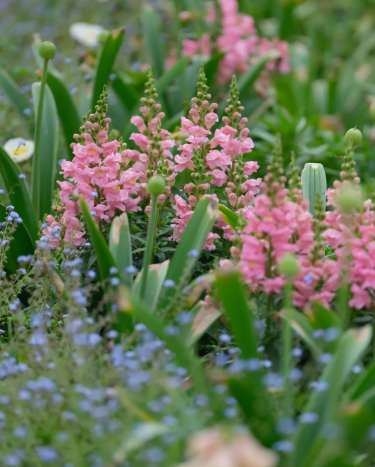
Goldfish grass is a colorful girl's dream
To make the goldfish grass burst in the pot, the core is sufficient light, timely heart picking, frequent application of thin fertilizer, and post flower prunin…
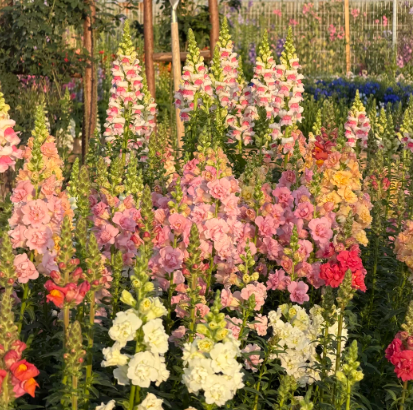
goldfish plant
Antirrhinum majus L. is a perennial herbaceous plant in the Scrophulariaceae family, native to the Mediterranean region. It is named after its flower shape rese…
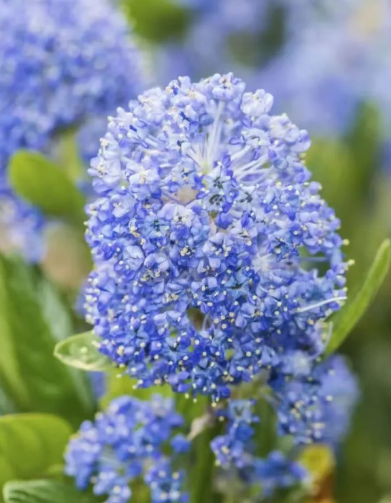
california lilac plants
Scientific name: Ceanothus, commonly known as California Lilac in English, although its name contains the word "lilac", it does not actually belong to the true…
identify house plants
Many plants can be raised indoors, such as chlorophytum comosum, ivy, green apple, asparagus, white palm, tiger skin orchid, fortune tree, Dracaena sanderiana,…
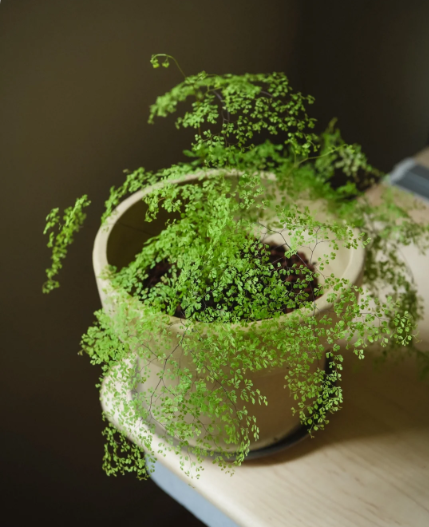
indoor plant identification
It can accurately identify over 35000 species of plants, fungi, and lichens from around the world. In addition to scientific (Latin) names, we will also provide…
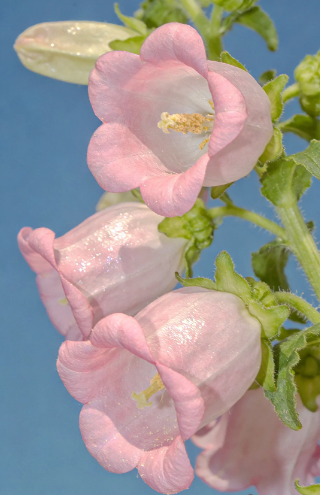
campanula plant
Windbell grass is a biennial perennial herbaceous plant, also known as hanging bell flower or tile tube flower. Its flowers are bell shaped and resemble wind ch…