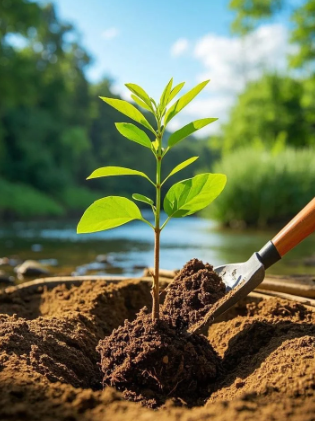

how to plant a tree
Step 1: Level the ground and lay a solid foundation for growth Before planting, it is necessary to clear the site, remove stones, weeds, and other debris, and level the ground to facilitate subsequent hole digging and prevent water accumulation in the roots. Step 2: Dig precise holes to leave sufficient space for the roots The size of the pit should be determined based on the size of the soil ball of the sapling. The diameter of the pit should be 30-50 cm larger than the soil ball, and the depth should be 20-30 cm deeper than the soil ball. The pit wall should be vertical and the bottom should be flat. The excavated topsoil and subsoil should be stacked separately. Step 3: Backfilling and fertilizing to nourish root growth First, backfill the topsoil, followed by the subsoil. When the backfill reaches about one-third of the tree pit, apply base fertilizer and mix it thoroughly with the soil. Then, cover the base fertilizer with soil to avoid burning the roots. Step 4: Standardize planting to ensure the saplings take firm root Carefully remove the nutrient bag or wrapping material from the sapling, place the sapling into the hole, ensuring that the top of the soil ball is flush with the ground surface and the trunk is vertical. When backfilling the soil, compact it in layers and shape it into a Mantou (steamed bun) to avoid shaking the trunk. Step 5: Install supports, protect against wind and ensure dryness to safeguard the seedlings After planting, it is necessary to use a support pole to fix the tree trunk. The support height should be 1/2 to 2/3 of the trunk. The bottom should be firmly tied and padded with soft material at the contact point with the trunk to prevent wind damage. Step 6: Water the cofferdam thoroughly to establish the roots Build a cofferdam around the tree trunk with a height of 10-20 cm, and slowly and evenly water the tree until the water penetrates to the bottom of the pit, ensuring that the root-fixing water is thoroughly absorbed. Step 7: Cover soil to conserve moisture, lock in water to promote growth After watering, cover the surface with a layer of soft, fine soil to retain soil moisture. When covering, avoid compacting the soil and ensure it remains breathable. Following the above scientific steps can effectively improve the survival rate of saplings
Related posts
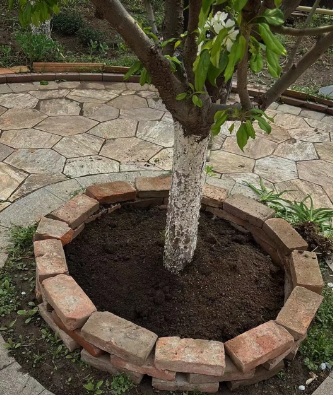
how to plant a tree?
how to plant a tree: Preparation for tree sapling selection: Prioritize locally sourced tree species that are easy to survive, and small saplings with soil ball…
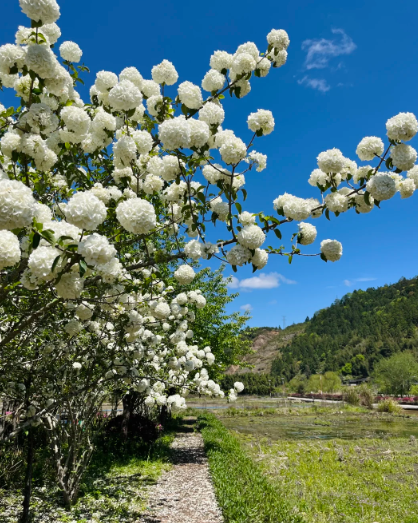
hydrangea tree
Many people like potted plants, especially flowering plants such as blue snowflakes, hydrangeas, roses, longevity flowers, crab claw orchids, and red palms, whi…
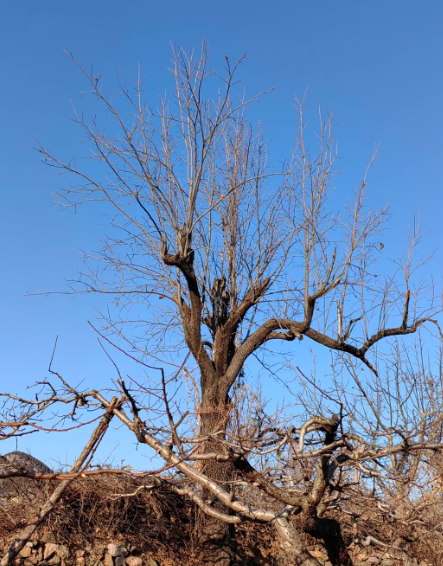
tree
Dead wood waits for spring

tree
Winter is coming, let's knit a sweater for the tree

plant identification
plant identification Oxalis: A Versatile and Charming Plant with Diverse Forms Oxalis (commonly known as shamrock or sorrel) is a genus of flowering plants in…
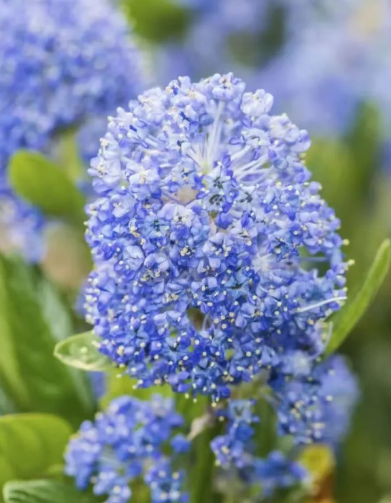
california lilac plants
Scientific name: Ceanothus, commonly known as California Lilac in English, although its name contains the word "lilac", it does not actually belong to the true…