Hungry Mo who can cook

Hungry Mo who can cook

b2720004883@gmail.com

15 条内容0 Followers0 Following

Shared Content

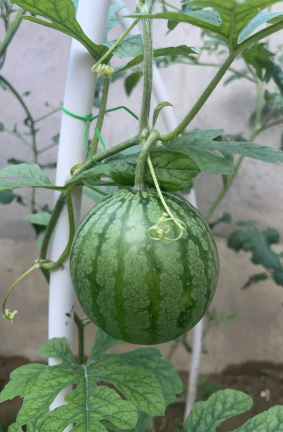
Citrullus lanatus
#flower#plant

Citrullus lanatus

The watermelon, a perennial vine belonging to the Cucurbitaceae family and the Citrullus genus, typically has a shape resembling a sphere or ellipse, with colors ranging from dark green to light green, or featuring black-green stripes or patterns. The seeds are mostly black, oval, and pointed at the tip. The stems and branches are sturdy and covered with light yellowish-brown downy hairs. The leaves are papery, triangular-ovate, with wavy edges. The flowering and fruiting period occurs from May to June. The watermelon received its name because it was introduced to China from the Western Regions in the 9th century. The origin of watermelon is in the arid desert regions of tropical Africa. It is primarily cultivated in tropical areas and has been grown in southern Xinjiang and Central Asia for over 1,000 years. Watermelon thrives in a warm and dry climate, but is not tolerant to cold. It is drought-resistant but not wet-tolerant, prefers sunlight, and requires a large amount of fertilizer. Sandy soil with loose texture, deep soil layer, and good drainage is the best for its growth. The main breeding methods are grafting and seed propagation. Through seed propagation, with the help of external forces or artificial cultivation, new watermelon seedlings will grow. Watermelon is a summer fruit with sweet flesh that can help cool down and relieve summer heat. The seeds contain oil and can be used as a snack food. The rind is used medicinally, with effects of clearing heat, promoting diuresis, and lowering blood pressure.

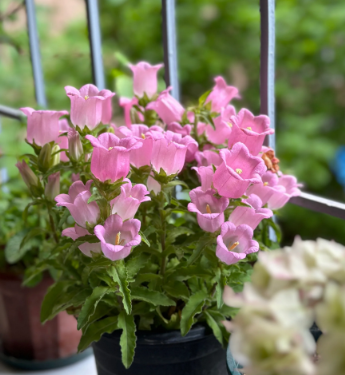
Campanula L.Campanula plants are non-toxic to both cats and dogs, so you can safely care for them
#Campanula L.#www.anthaly.com

Campanula L.Campanula plants are non-toxic to both cats and dogs, so you can safely care for them

Pet-friendly plants Campanula (Latin name: Campanula L.) is an annual, biennial, or perennial herb belonging to the Campanulaceae family. Its flowers are bell-shaped and usually blue, preferring a cool summer and mild winter climate, It prefers a sunny environment with sufficient light, but can also tolerate partial shade. There are over 200 species of Campanula, almost all of which are found in the northern temperate zone. Most species are native to the northern part of Eurasia, with a few occurring in North America. The name of Campanula comes from its flower shape, which resembles a bell. Its flowers have a morning glory-like shape, but are more elegant than morning glory. Most importantly, the shape of this flower's petals is bell-shaped, It gives a particularly perfect feeling, and the color is a slightly serene blue, with bright patterns and high ornamental value. Campanula, a diverse plant species, is mostly found in temperate regions. Most of the varieties cultivated at home are perennial, allowing them to bloom repeatedly, Its flowering period generally occurs in the spring of each year. The flowering time is relatively long, with flowers blooming for up to two months. It is a heliotropic plant, preferring areas with ample sunlight. When it is a seedling, it is only suitable for living in an environment with a temperature ranging from 10 to 18 degrees Celsius. When it forms flower buds, it prefers an environment with a temperature of 22 degrees. It is not tolerant to high temperatures and prefers a cool climate. High temperatures in summer can cause the plant leaves to turn yellow and wilt. The low temperatures in winter can also affect Campanula, and special attention should be paid in the north. Campanula is relatively drought-resistant, so it should be watered when it is dry and when it is damp. Pet-safe plants,

Ceratostigma plumbaginoides
#flower#plant

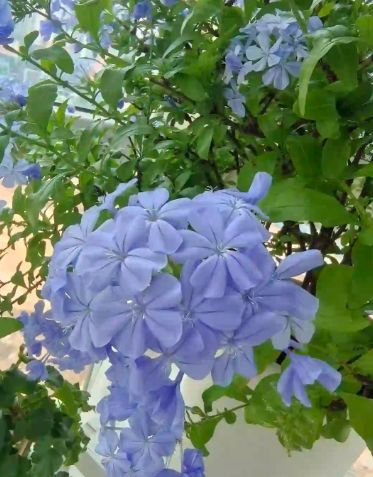
Ceratostigma plumbaginoides

Pet-friendly plants Blue snowflakes, like beautiful blue sprites, bloom splendidly in the blazing summer sun. The touch of blue is serene, making one cannot help but want to get closer. Blue snowdrops are ideal for planting on balconies or in courtyards. In summer, they burst into bloom, with clusters of blue flowers adorning the entire branches, looking particularly beautiful. Blue snowdrops are also easy to care for. Just keep the soil moist without letting it dry out. When they bloom, they can be exposed to some sunshine. However, if the sunlight is too strong in summer, you can provide some shade as necessary. Blue snowdrops will bloom throughout the summer, one crop after another, lasting for a long time. You can apply fertilizer a few times before flowering to ensure that the soil is sufficiently fertile, resulting in more and better-looking flowers. Blue snowflake can be propagated by cuttings. I haven't grown this kind of flower before, but last week I saw a cutting technique shared by a fellow gardener, A branch of Blue Snowflake plant grows roots after being planted in soil for just one week. I really want to try it too. The blue snowdrop has strong vitality. When propagating by cuttings, choose robust branches, cut them into small segments, and plant them in nutrient-rich soil. They can generally take root within a week. The heat-resistant "flowering machine" produces more flowers with more sunlight, has fewer pests and diseases, and is non-toxic to cats and dogs.