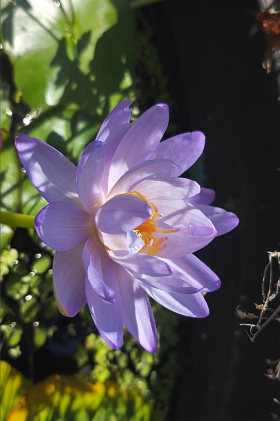
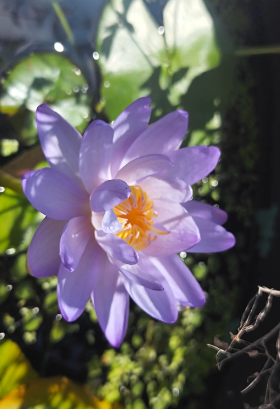
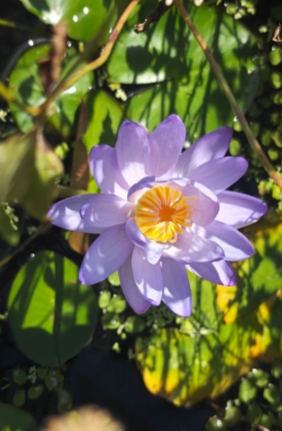

July Birth Flowers: Larkspur (Delphinium) and Water Lily (Nymphaea)
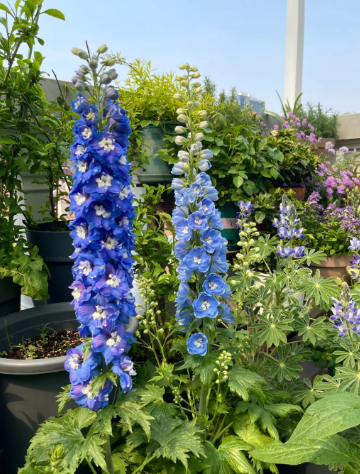
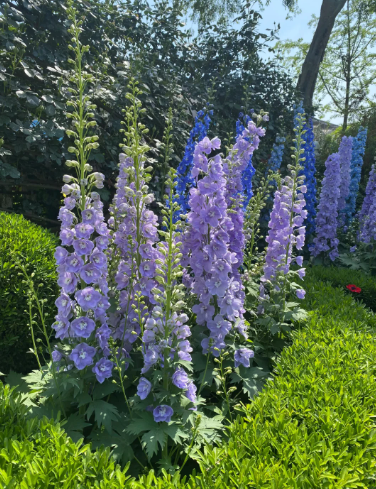
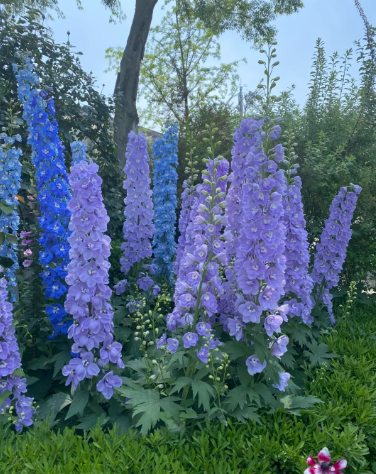
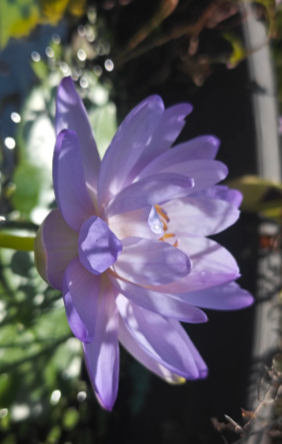
July, a month bathed in warm summer sunlight and vibrant energy, is represented by two stunning birth flowers: the larkspur (scientific name: Delphinium) and the water lily (scientific name: Nymphaea). These flowers not only adorn gardens and water bodies with their beauty but also carry rich symbolic meanings, deep cultural roots, and unique growing requirements. Whether you’re celebrating a July birthday, exploring floral symbolism, or looking to cultivate these blooms, this guide will uncover everything you need to know about these two iconic July birth flowers. 1. Larkspur (Delphinium): The Bold and Meaningful Summer Spike Larkspur, often referred to by its genus name Delphinium, is a striking annual or perennial flower known for its tall, spiky stems and delicate, bell-shaped blooms. Available in a spectrum of colors—including blue, purple, pink, white, and red—it adds vertical elegance to any garden and holds a special place in the language of flowers and cultural history. Symbolism of Larkspur The larkspur is a flower of deep emotion and symbolism, with meanings that vary slightly by color but always carry warmth and sincerity. At its core, it represents strong love bonds, dedication, positivity, and an open heart—making it a perfect gift for loved ones born in July, as it embodies the loyalty and joy of summer relationships. Color-specific symbolism adds another layer of depth: - Blue Larkspur: Symbolizes grace, respectability, and calmness, often associated with trust and devotion. - Purple Larkspur: Represents first love, royalty, and ambition—making it a meaningful choice for new romances or milestones. - Pink Larkspur: Conveys affection, joy, and gentle love, though it historically carried connotations of fickleness in the Victorian era. - White Larkspur: Signifies purity, happiness, and new beginnings, often used to celebrate fresh starts or innocent joy. Beyond romantic and personal meanings, larkspur also symbolizes protection—particularly in folklore, where it was believed to ward off evil spirits and negative energy. Cultural Background of Larkspur The larkspur’s cultural history stretches back centuries, with roots in Greek mythology, European folklore, and even early American traditions. In Greek mythology, the larkspur is linked to the tragic story of Ajax, a great warrior of the Trojan War. After being passed over for the armor of the fallen Achilles, Ajax took his own life, and legend says that larkspurs bloomed where his blood spilled onto the ground. Another Greek tale suggests the flower’s name derives from its nectary, which resembles the nose of a dolphin (“delphis” in Greek), giving it the genus name Delphinium. The common name “larkspur” comes from the flower’s spur-like shape, which resembles the claw of a lark. In European folklore, larkspur was a symbol of protection: in England, people sprinkled its petals in baths to ward off ghosts and magic, while in Transylvania, it was planted near stables to keep witches away. During the Victorian era, it was a staple in cottage gardens, valued for its ability to “ward off evil” and its delicate beauty. Later, when naturalized in the United States, Native Americans used larkspur blooms to make dyes and repel insects, and it even earned a mention in George Washington’s letters. Planting and Care Guide for Larkspur (Delphinium) Larkspurs are relatively easy to grow, making them a favorite for both beginner and experienced gardeners. They thrive in cool summer climates and add dramatic height to borders, cutting gardens, or containers. Here’s how to grow and care for them: Planting Conditions - Sunlight: Full sun (6–8 hours of direct sunlight daily) is ideal, though in hotter southern climates, afternoon shade can help extend their bloom period. - Soil: Well-drained, fertile soil with a slightly acidic to neutral pH (6.0–7.0) is best. Amend soil with compost or organic matter to improve drainage and nutrient content. - Planting Time: Direct-seed larkspurs in early spring (as soon as the soil can be worked) or fall (4–6 weeks before the first frost in zones 5b and warmer). They require a period of cold weather (vernalization) to bloom, so fall planting often yields stronger plants. - Planting Depth: Sow seeds ⅛ to ¼ inch deep, lightly covering them with soil. Space seeds 6–12 inches apart to allow for proper growth. Care Tips - Watering: Keep soil consistently moist but not waterlogged. Water at the base of the plant to avoid wetting the foliage, which can lead to fungal diseases. - Fertilizing: Apply a balanced, slow-release fertilizer in spring when new growth appears. Avoid high-nitrogen fertilizers, which can cause leggy growth. - Staking: Taller varieties (which can grow 3–6 feet tall) may need staking to support their stems, especially in windy areas. - Deadheading: Remove spent blooms to encourage continuous flowering throughout the summer. If you leave some mature flower stalks, larkspurs will often self-seed for the following year. - Pest and Disease Control: Larkspurs are deer, rabbit, and groundhog-resistant (likely due to their toxicity if ingested). Watch for aphids, slugs, and powdery mildew; treat aphids with insecticidal soap and mildew with a fungicide if needed. Note: All parts of the larkspur are toxic if ingested, so keep them away from pets and children. 2. Water Lily (Nymphaea): The Serene Aquatic Beauty The water lily, or Nymphaea, is a graceful aquatic flower that graces ponds, lakes, and water gardens with its floating blooms and lily pads. Available in both hardy and tropical varieties, it symbolizes purity, rebirth, and spiritual awakening—making it a fitting complement to the larkspur as July’s birth flower. Its serene beauty and deep cultural significance have made it a beloved symbol across civilizations. Symbolism of Water Lily The water lily is a symbol of purity, rebirth, spiritual enlightenment, and inner peace. Its ability to rise from murky water and bloom into a stunning, clean flower represents overcoming adversity and emerging stronger—an apt metaphor for the warmth and resilience of July’s summer energy. In many cultures, the water lily is tied to divinity and creation. For example, it symbolizes purity of the soul in Christianity, while in Buddhism, it represents enlightenment and the journey toward spiritual awakening. In ancient Egypt, it was linked to the sun and rebirth, as its blooms open at dawn and close at dusk, mirroring the cycle of life. Color also plays a role in its symbolism: white water lilies signify purity and innocence, pink symbolize romance and gentleness, and purple represent spirituality and mystery. Cultural Background of Water Lily The water lily has been revered across cultures for millennia, with its most prominent roots in ancient Egypt, Buddhism, and Greek mythology. In ancient Egypt, the water lily (specifically the blue water lily) was a sacred symbol tied to creation and the sun god Ra. Legend tells of a cosmic lotus (water lily) that emerged from the primordial black sea, bringing light and life to the world. Egyptians believed the water lily was the soul of Ra, and its daily bloom at dawn symbolized the sun’s rebirth each day. The god Nefertum, associated with beauty and healing, was often depicted with a water lily on his head, and the flower was frequently used in rituals and art—including the famous tomb of Tutankhamun, where water lily motifs were found. In Buddhism, the water lily is a central symbol of enlightenment. The Buddha is often depicted sitting on a water lily, representing his ability to rise above suffering (the murky water) and achieve spiritual purity. In Chinese and Japanese cultures, the water lily symbolizes harmony, peace, and good fortune, and it is a common motif in art and gardens. In Greek mythology, the water lily’s genus name Nymphaea derives from “nymphs”—female nature spirits who guarded water bodies. This connection reflects the flower’s association with water and its serene, otherworldly beauty. Planting and Care Guide for Water Lily (Nymphaea) Water lilies are aquatic plants that require specific growing conditions to thrive, but with the right care, they will reward you with stunning blooms all summer long. They are divided into two main types: hardy water lilies (perennial, suitable for outdoor ponds year-round) and tropical water lilies (tender, requiring warm water and frost-free conditions). Planting Conditions - Water Environment: Hardy water lilies grow in ponds, lakes, or large containers (at least 30 cm deep) with still or slow-moving water. Tropical water lilies need warmer water (at least 21°C/70°F in summer). - Sunlight: Full sun (6–8 hours of direct sunlight daily) is essential for blooming. Shaded areas will result in fewer flowers. - Water Depth: For hardy varieties, plant in water 30–90 cm deep; dwarf varieties can grow in 15–30 cm of water. Tropical water lilies prefer deeper water (60–120 cm). - Soil: Use heavy, clay-based soil (not potting soil, which will float) in a aquatic plant pot with drainage holes. Add a layer of gravel on top to prevent soil from floating. - Planting Time: Plant hardy water lilies in late spring or early summer (after the last frost). Tropical water lilies should be planted once water temperatures reach 21°C/70°F. Care Tips - Water Quality: Maintain clean, clear water. Use a pond filter to prevent algae growth, and avoid using chemicals that can harm the plant. Water should meet quality standards for景观 use, such as those outlined in GB/T 18921 (for reference). - Fertilizing: Feed water lilies with a slow-release aquatic fertilizer tablet every 4–6 weeks during the growing season. Push the tablet into the soil near the roots to avoid floating. - Pruning: Remove yellow or dead leaves and spent blooms regularly to keep the plant healthy and prevent debris from accumulating in the water. - Winter Care: Hardy water lilies can stay in the pond over winter—ensure the pond does not freeze completely (use a pond heater if needed). Tropical water lilies must be moved indoors or stored in a frost-free area over winter. - Pest and Disease Control: Watch for aphids, water lily beetles, and fungal diseases. Treat aphids with insecticidal soap, and remove beetles by hand. Fungal issues can be prevented by ensuring good water circulation and avoiding overcrowding. 3. Why July Has Two Birth Flowers July is one of the few months with two birth flowers, and their combination perfectly captures the essence of summer: the larkspur’s bold, vibrant energy and the water lily’s serene, calming beauty. Together, they represent the duality of July—warm, lively days and peaceful, starry nights. They also offer a range of meanings, making them versatile gifts for July birthdays: the larkspur for love and loyalty, the water lily for purity and rebirth. Final Thoughts The larkspur and water lily are more than just beautiful summer flowers—they are carriers of history, symbolism, and joy. Whether you’re planting them in your garden, gifting them to a July birthday celebrant, or simply admiring their beauty, these two birth flowers embody the best of summer. With the right care, they will thrive and bring warmth and elegance to any space, serving as a lasting reminder of July’s unique spirit.
Related posts
Goldfish grass is a colorful girl's dream
To make the goldfish grass burst in the pot, the core is sufficient light, timely heart picking, frequent application of thin fertilizer, and post flower prunin…
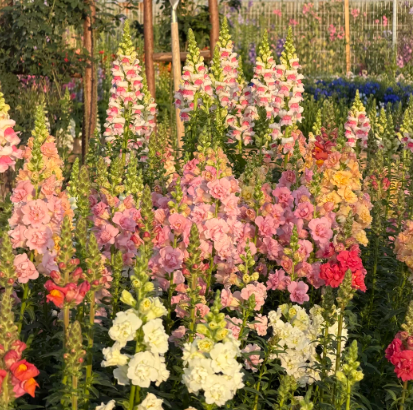
goldfish plant
Antirrhinum majus L. is a perennial herbaceous plant in the Scrophulariaceae family, native to the Mediterranean region. It is named after its flower shape rese…
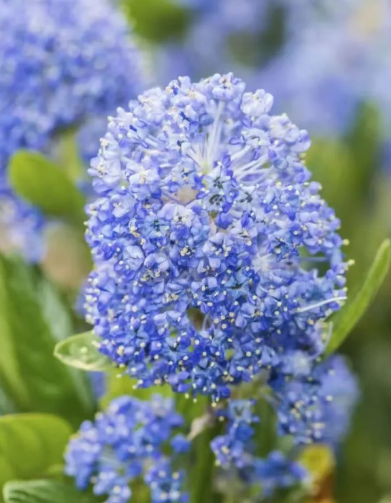
california lilac plants
Scientific name: Ceanothus, commonly known as California Lilac in English, although its name contains the word "lilac", it does not actually belong to the true…
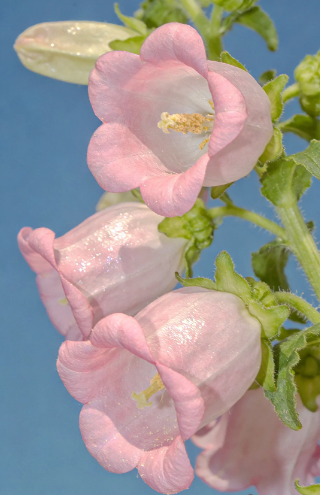
campanula plant
Windbell grass is a biennial perennial herbaceous plant, also known as hanging bell flower or tile tube flower. Its flowers are bell shaped and resemble wind ch…
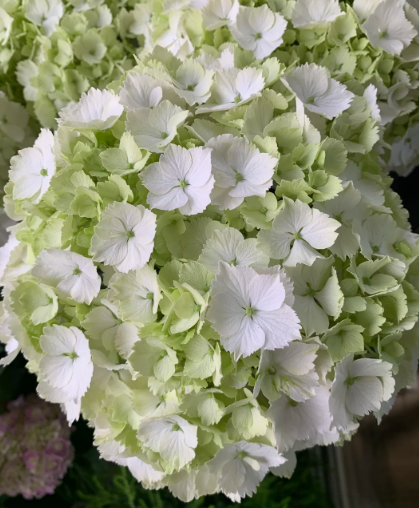
white hydrangea
White hydrangea is a very popular ornamental flower in summer, with a full flower shape and pure color, suitable for both courtyard planting and fresh cut flowe…
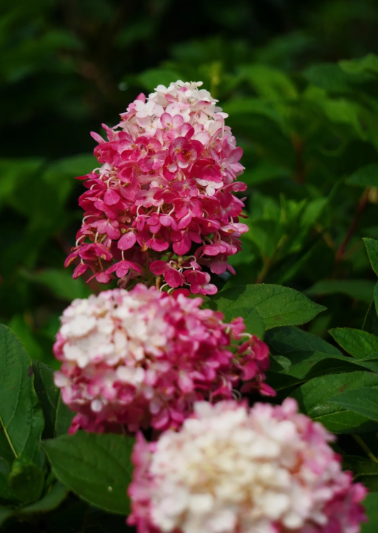
panicle hydrangea
Cone embroidered ball "pink oath", autumn color as red as strawberries, tempting and alluring。 With its unique conical inflorescence and colorful flowers, it b…