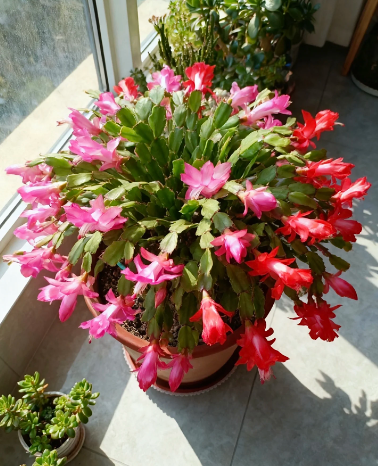

zygocactus plants
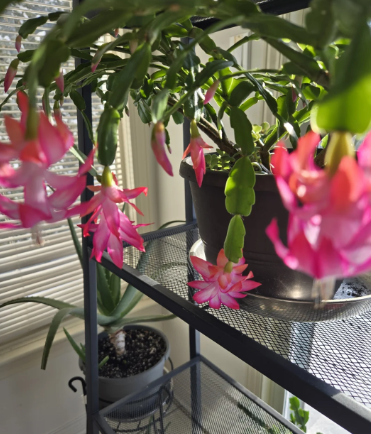
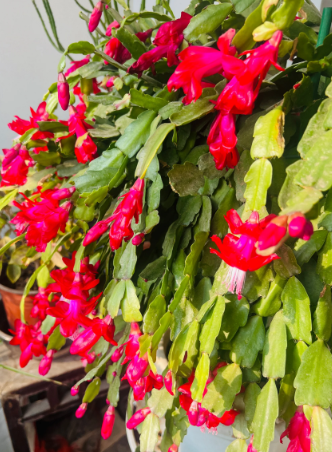
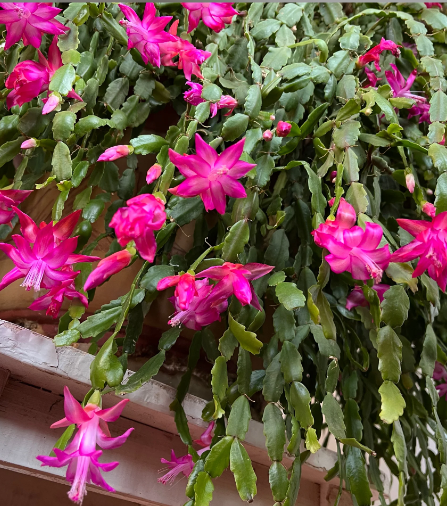
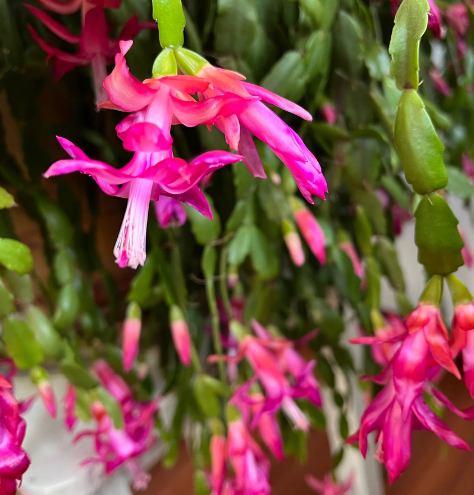
The Thanksgiving Cactus (*Schlumbergera truncata*)—also known as the Christmas Cactus or Crab Cactus—is a perennial succulent belonging to the *Schlumbergera* genus of the Cactaceae family. Native to the tropical rainforests of Brazil, it is an epiphytic succulent with growth habits quite distinct from those of desert cacti. Its stems consist of flattened, serrated segments that cascade downward like crab claws. The flowers bloom at the tips of the stems in a variety of colors. Its flowering season spans from November to the following March—covering Christmas, New Year's Day, and the Lunar New Year—making it a highly popular ornamental plant for the winter and spring festive season.
💡 Care Tips
Key Care Instructions **Light:** Prefers soft, diffused light; avoid harsh, direct sunlight. Provide diffused light in spring and autumn, but ensure shade in summer. In autumn, limiting light exposure to 8–10 hours a day—followed by complete darkness—significantly promotes bud formation. In winter, place on a south-facing balcony to maximize sunlight, which aids flowering and cold resistance. **Temperature:** The optimal growth temperature is 15–25°C. Growth stalls below 10°C, and cold damage occurs below 5°C. Temperatures above 30°C trigger semi-dormancy; move the plant to a cool, well-ventilated area. **Watering:** Follow the "water thoroughly only when completely dry" rule; err on the side of dryness rather than excess moisture. Its fleshy stems store water, so overwatering easily leads to root rot. Check moisture by inserting a finger 2–3 cm into the soil or lifting the pot to see if it feels significantly lighter. Water along the edge of the pot; avoid getting water into the stem joints or the center of the plant. **Fertilization:** During the growing season (spring and autumn), apply a diluted compound fertilizer once a month. In the budding stage (late autumn), supplement with potassium dihydrogen phosphate via foliar spray or soil drenching every 10 days. Stop fertilizing completely during the flowering period and summer dormancy. **Soil:** Requires loose, well-draining, slightly acidic sandy soil. Recommended mix: 4 parts leaf mold, 3 parts peat moss, 2 parts perlite, and 1 part vermiculite; alternatively, use a specialized cactus potting mix. Choose a shallow clay pot; avoid deep pots or non-breathable glazed ceramic pots.
Related posts
plant identification
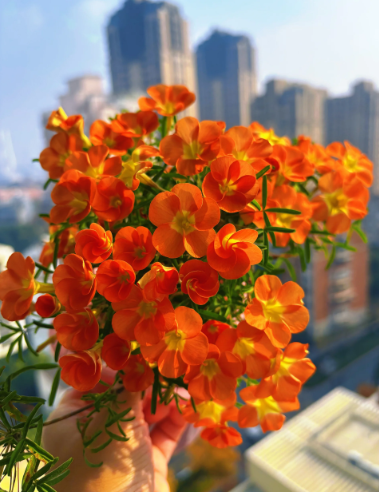
plant identification Oxalis: A Versatile and Charming Plant with Diverse Forms Oxalis (commonly known as shamrock or sorrel) is a genus of flowering plants in…
Goldfish grass is a colorful girl's dream
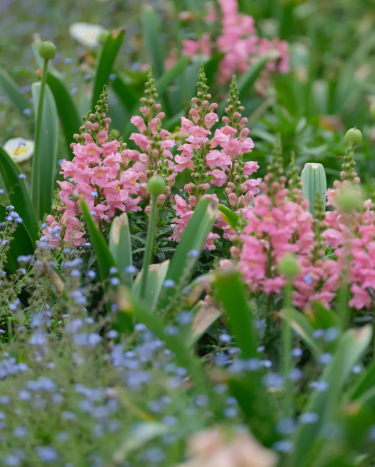
To make the goldfish grass burst in the pot, the core is sufficient light, timely heart picking, frequent application of thin fertilizer, and post flower prunin…
goldfish plant
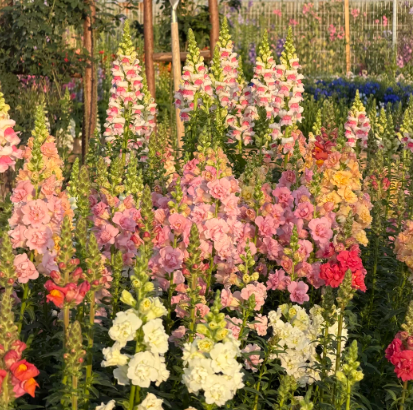
Antirrhinum majus L. is a perennial herbaceous plant in the Scrophulariaceae family, native to the Mediterranean region. It is named after its flower shape rese…
california lilac plants
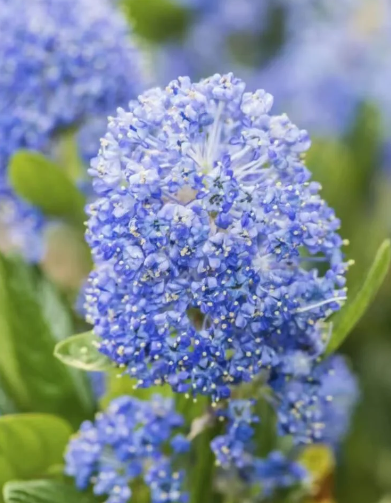
Scientific name: Ceanothus, commonly known as California Lilac in English, although its name contains the word "lilac", it does not actually belong to the true…
identify house plants
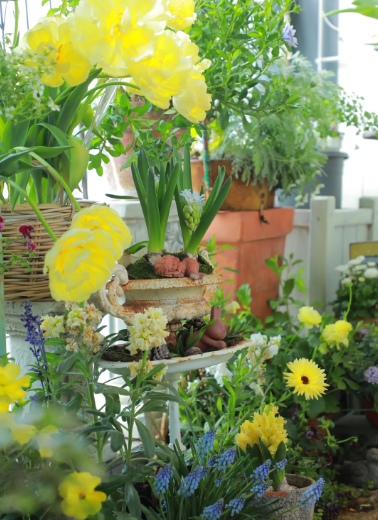
Many plants can be raised indoors, such as chlorophytum comosum, ivy, green apple, asparagus, white palm, tiger skin orchid, fortune tree, Dracaena sanderiana,…
indoor plant identification
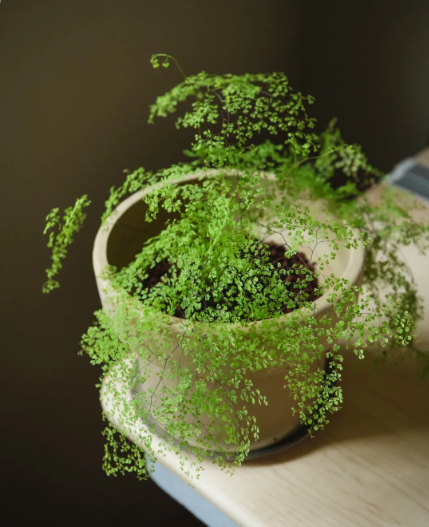
It can accurately identify over 35000 species of plants, fungi, and lichens from around the world. In addition to scientific (Latin) names, we will also provide…