
purple vegetables:eggplant
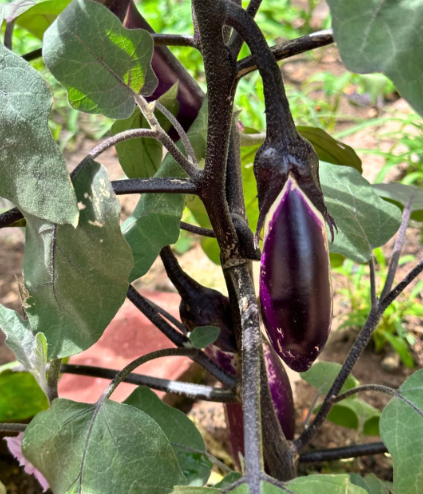
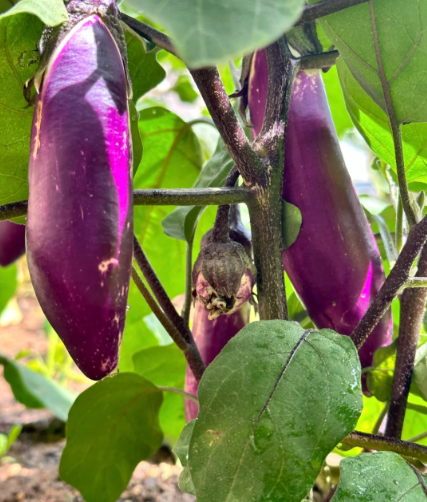
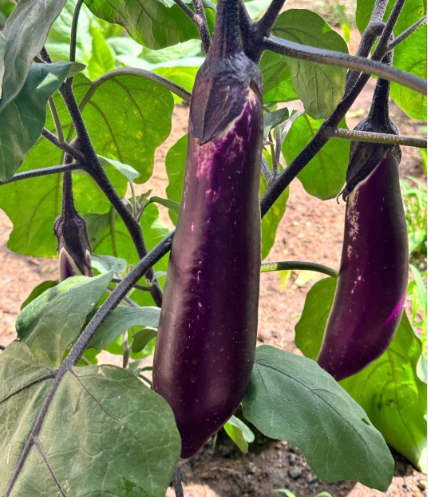
Eggplant is one of the few purple vegetables and a very common household vegetable on the dining table. Its purple skin contains abundant vitamin E and vitamin P, which are unmatched by other vegetables. Eggplant belongs to the Solanaceae family and is an annual vegetable. Originating from India, it is one of the main vegetables in summer. The edible part of eggplant is its young fruit, which can be divided into three types according to its shape: round eggplant, bulb eggplant, and linear eggplant. Round eggplant has a round shape, with black-purple skin that is glossy, a deep purple fruit stalk, light greenish-white flesh, dense and tender texture; bulb eggplant has a bulb-like shape, with black-purple skin that is glossy, a deep purple fruit stalk, light greenish-white flesh, contains many seeds, and slightly loose texture; linear eggplant has a thin, elongated or slightly curved shape, with thin skin that is dark purple or black-purple, light greenish-white flesh, contains few seeds, and tender and soft texture, with good quality. The efficacy and function of eggplant 1. Treatment of gastric cancer Foreign research results have shown that its anti-cancer performance is several times that of other vegetables with the same effect, making it a strong anti-cancer agent. It can inhibit the proliferation of digestive tract tumor cells and has a good inhibitory effect on gastric cancer and colorectal cancer. 2. Anti aging Eggplant contains vitamin E, which has the functions of preventing bleeding and anti-aging. Eating eggplant regularly can prevent the increase of cholesterol levels in the blood and have a positive effect on delaying human aging. 3. Reduce cholesterol and protect cardiovascular health Eating eggplant regularly can prevent hypertension, coronary heart disease, atherosclerosis, purpura, scurvy and promote wound healing. 4. Clearing heat and relieving summer heat It is particularly suitable for people who are prone to developing prickly heat and boils. The nutritional value of eggplant 1. Eggplant is rich in nutrients, including protein, fat, carbohydrates, vitamins, as well as various nutrients such as calcium, phosphorus, and iron. 2. Eggplant has a high content of vitamin P, with 750 milligrams of vitamin P per 100 grams. It can enhance the adhesion between human cells, increase the elasticity of capillaries, reduce fragility and permeability, and prevent microvascular rupture and bleeding. 3. Eggplant also contains trace elements such as phosphorus, calcium, and potassium, as well as various alkaloids such as choline, fenugreek alkaloids, sophocarpine, and solanine. Especially purple eggplants have higher vitamin content. It can inhibit the proliferation of tumor cells in the digestive tract. 4. The vitamin C and saponin contained in eggplant fiber have the effect of reducing cholesterol. Foreign scholars have proposed the "12 ways to reduce cholesterol", and eating eggplant is one of them. 5. The B vitamins contained in eggplants also have certain auxiliary therapeutic effects on dysmenorrhea, chronic gastritis, nephritis edema, etc. Selection of Eggplant Eggplants are considered excellent for their uniform and round fruit shape, moderate aging and tenderness, no cracks, rot, rust, spots, thin skin, few seeds, thick and tender flesh. The tender eggplant has a dark color, thin skin and loose flesh, low weight, tender and sweet taste, and the flesh is not easy to separate. There is a green white skin at the bottom of the calyx. Old eggplants have a shiny and smooth color, thick and tight skin, firm flesh and solid seeds, easy separation of seeds, yellow and hard seeds, heavy weight, and some have a bitter taste. Eggplants with wrinkled skin and dull luster are not fresh. Storage of Eggplant The skin of eggplant is covered with a layer of wax, which not only makes the eggplant shiny, but also has a protective effect on the eggplant. Once the wax layer is washed away or mechanically damaged, it is easy to be invaded by microorganisms and rot and deteriorate. Therefore, eggplants that need to be stored should never be washed with water, and should be protected from rain, bumps, heat, and stored in a cool and ventilated place. Eating methods of eggplant 1. Eggplant is suitable for cooking methods such as burning, braising, steaming, frying, and mixing, such as "fish flavored eggplant", "fried tomato box", "sliced eggplant", etc. 2. Old eggplants, especially those after autumn, contain a lot of solanine, which is harmful to the human body and should not be eaten in large quantities. 3. Deep frying eggplants can cause a significant loss of vitamin P, but frying them with paste and sizing can reduce this loss. 4. At the junction of eggplant sepals and fruit, there is a light colored ring. The wider and more obvious this ring, the faster the eggplant fruit is growing and not aging. If the ring is not obvious, it indicates that the eggplant has stopped growing when harvested, and at this time, the eggplant has aged, affecting its consumption. 5. Eggplant is prone to oxidation when heated, and its color will turn black, affecting its appearance. If it is fried in hot oil before cooking and then stir fried with other ingredients, it will not easily change color. 6. After cutting the eggplant, it should be fried directly in oil before it changes color. This can fry the excess water in the eggplant, making it easy to become flavorful when stewed. After cutting eggplant into pieces or slices, it will quickly turn from white to brown due to oxidation. If the sliced eggplant is immediately soaked in water and then removed and filtered dry when cooking, it can prevent the eggplant from changing color.
Related posts
vegetables yellow color:corn
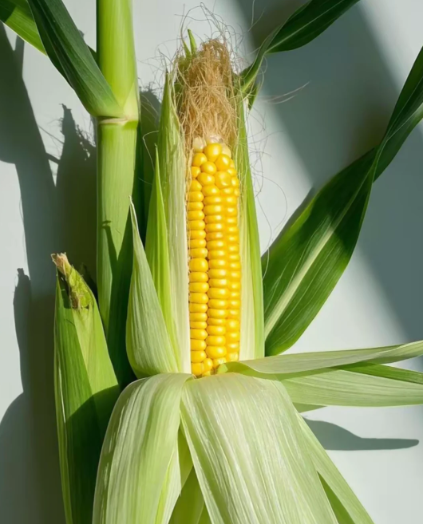
Corn is the seed of the grass family plant Zea mays, also known as Baogu, Baomi, Zhumushu, Zhenzhumi, etc. It originated in Mexico and Peru in Central America,…
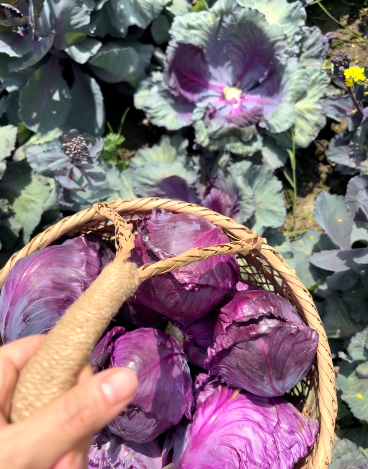
purple vegetables:red cabbage
Purple cabbage, also known as red cabbage or red broccoli, is a variety of Brassica oleracea var. capitata in the family Cruciferae and genus Brassica. Purple c…
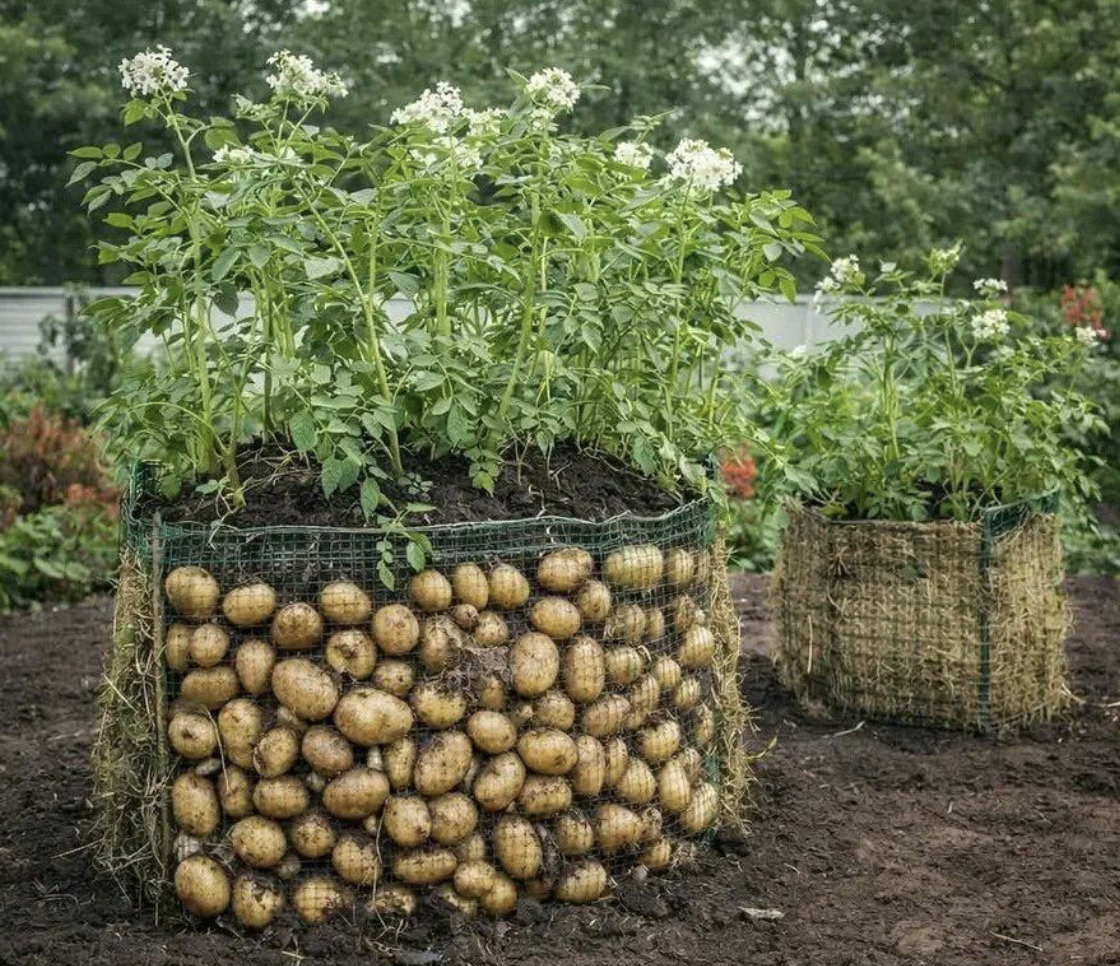
how to plant potatoes?
how to plant potatoes-如何种植土豆
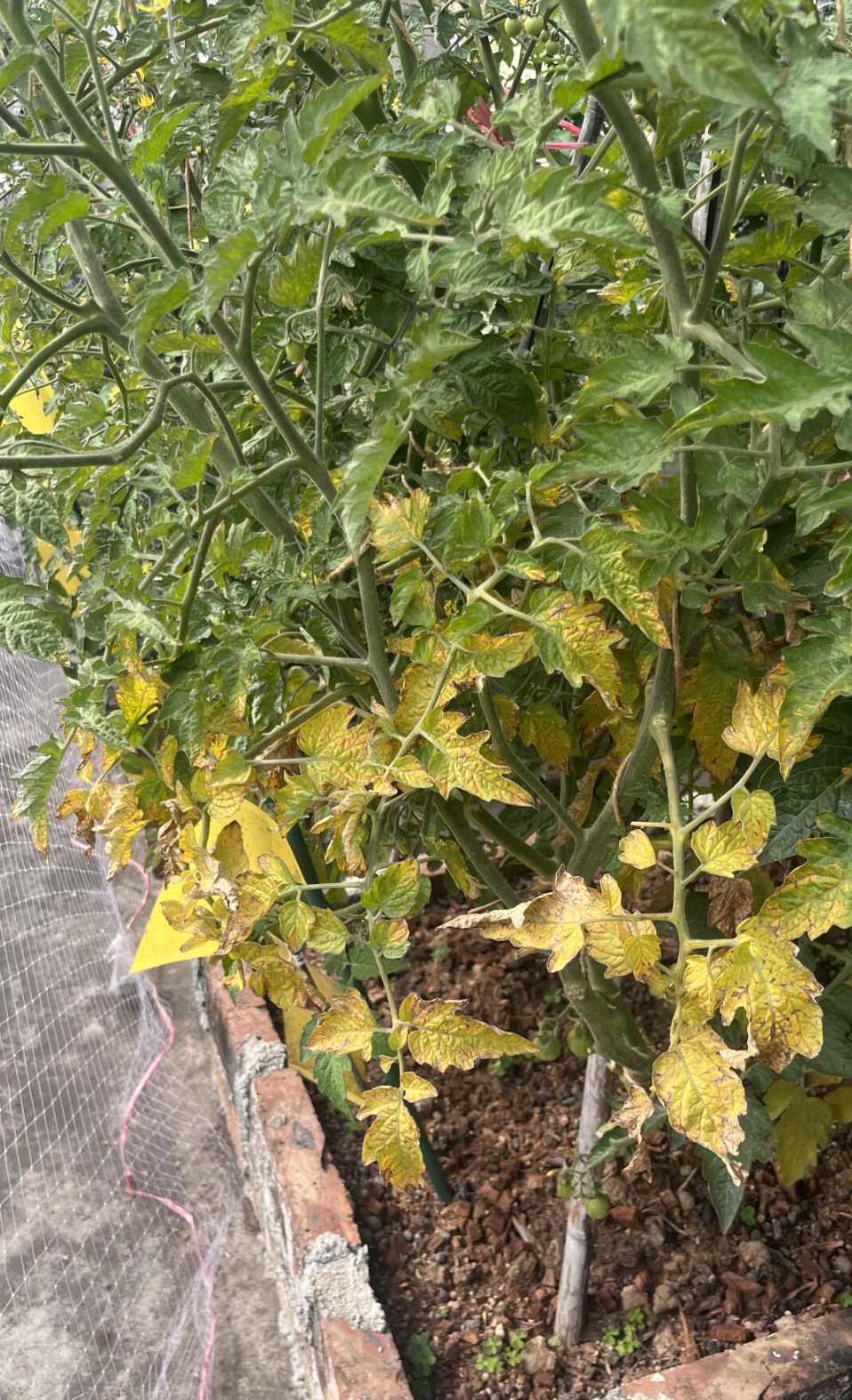
Why Are My Plant Leaves Turning Yellow? (7 Common Causes and How to Fix It)
If you’ve noticed your plant leaves turning yellow, you’re not alone. This is one of the most common problems plant owners face. Yellow leaves can happen for ma…

plant identification
plant identification Oxalis: A Versatile and Charming Plant with Diverse Forms Oxalis (commonly known as shamrock or sorrel) is a genus of flowering plants in…
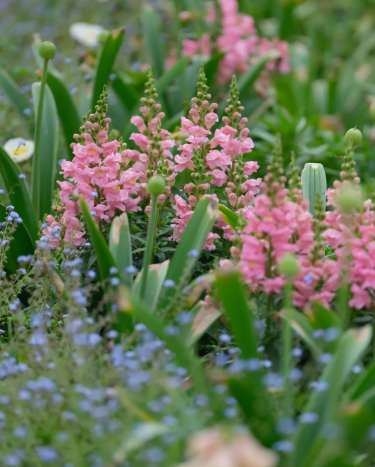
Goldfish grass is a colorful girl's dream
To make the goldfish grass burst in the pot, the core is sufficient light, timely heart picking, frequent application of thin fertilizer, and post flower prunin…