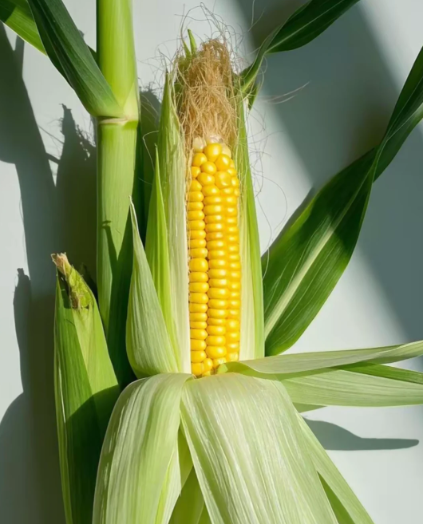
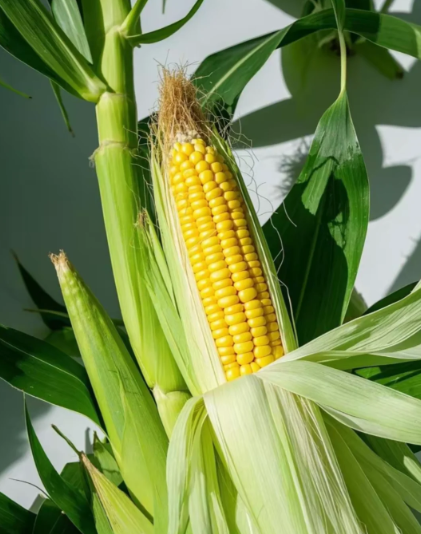
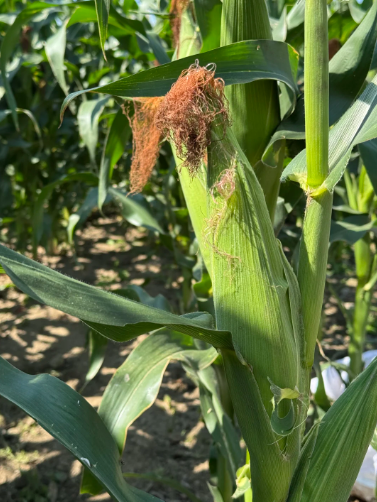
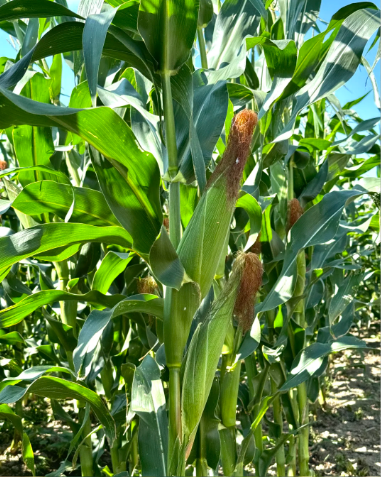

vegetables yellow color:corn
Corn is the seed of the grass family plant Zea mays, also known as Baogu, Baomi, Zhumushu, Zhenzhumi, etc. It originated in Mexico and Peru in Central America, There are many types of corn varieties. According to their purposes, they can be divided into grain and forage varieties, vegetable varieties (including waxy type, sweet type, and baby corn type), processing varieties (sweet corn, baby corn), popcorn varieties (special varieties for popcorn), etc. Corn is a health-promoting product among coarse grains, and consuming corn is quite beneficial to human health. The germ of corn is particularly large, accounting for 10%-14% of the total weight, and contains a large amount of fat, so oil can be extracted from corn germ. Due to the high fat content in corn, it is prone to rancidity and deterioration during storage. Corn can be ground into flour or made into rice. Corn flour is not graded, only differentiated by coarseness. Corn flour can be used to make steamed buns, silk cakes, etc. The protein in corn flour does not have the ability to form gluten elasticity and has poor gas-holding capacity, so it needs to be mixed with flour to make various fermented dim sum. The efficacy and function of corn 1. Weight loss Eating can alleviate hunger in obese individuals, but it has a low calorie content and is also one of the substitutes for weight loss. 2. Anti cancer and anti-cancer measures Plant cellulose can accelerate the elimination of carcinogens and other toxins, and eating more corn can also inhibit the side effects of anti-cancer drugs on the human body. 3. Lower blood pressure and blood lipids The rich calcium can play a role in lowering blood pressure, promoting cell division, reducing serum cholesterol, and preventing its deposition in the vascular wall. Therefore, corn has certain preventive and therapeutic effects on coronary heart disease, atherosclerosis, hyperlipidemia and hypertension. The low risk of hypertension among Native Americans in Central America is related to their main consumption of corn. 4. Increase memory and anti-aging Stimulate brain cells, enhance human brainpower, memory, and metabolism, and adjust nervous system function. It can make the skin tender and smooth, inhibit and delay the formation of wrinkles, and combat eye aging. 5. Improving eyesight People who frequently use their eyes should eat more yellow corn to alleviate macular degeneration and vision loss. Lutein and zeaxanthin, with their strong antioxidant properties, can absorb harmful light entering the eyeball. 6. Promote gastrointestinal peristalsis Can prevent and treat constipation, enteritis, colon cancer, etc. The nutritional value of corn 1. Very high vitamin content The vitamin content in corn is very high, 5-10 times that of rice and wheat, while the nutritional value of special corn is higher than that of ordinary corn. 2. Plants are rich in cellulose content The rich plant cellulose contained in corn has the characteristics of stimulating gastrointestinal peristalsis and accelerating fecal excretion, which can prevent and treat constipation, enteritis, colon cancer, etc. Can restrain and hinder the absorption of excessive glucose, playing a role in inhibiting postprandial blood sugar elevation; Cellulose can also inhibit fat absorption, lower blood lipid levels, prevent and improve the occurrence of coronary heart disease, obesity, and gallstones. 3. Rich in selenium and magnesium The selenium and magnesium contained in corn have anti-cancer effects. Selenium can accelerate the decomposition of peroxides in the body, preventing malignant tumors from receiving molecular oxygen supply and being inhibited. Magnesium can not only inhibit the development of cancer cells, but also promote the elimination of waste from the body, which is of great significance for cancer prevention. 4. Containing glutathione Corn also contains a longevity factor - glutathione, which, with the participation of selenium, generates glutathione oxidase, which has the function of restoring youth and delaying aging. 5. Contains zeaxanthin The zeaxanthin contained in corn can prevent the occurrence of age-related macular degeneration. According to a study conducted by Harvard Medical School and many research centers in 1994, consuming higher amounts of zeaxanthin can reduce the risk of age-related macular degeneration. 6. Rich in carotenoids and niacin The carotenoids contained in corn can be converted into vitamin A after being absorbed by the human body; corn also contains niacin, which is much higher in content than rice. Niacin plays an important role in the metabolism of proteins, fats, and sugars, helping us maintain normal functions of the nervous system, digestive system, and skin. If there is a lack of niacin in the human body, it may cause symptoms such as mental hallucinations, auditory hallucinations, and mental disorders, as well as digestive symptoms such as angular stomatitis, glossitis, diarrhea, and skin leprosy. 7. Rich in linoleic acid Corn contains abundant unsaturated fatty acids, especially linoleic acid, with a content of over 60%. Linoleic acid can lower cholesterol, prevent its deposition on the inner walls of blood vessels, and thus reduce the occurrence of arteriosclerosis. It has a positive effect on preventing hypertension and cardiovascular diseases. Selection of Corn When selecting corn, it is best to choose one that is about 70-80% ripe, too tender, and has too much moisture; Too old, with an increase in starch and a decrease in protein. Choosing corn, you can pinch it with your hand. It has a paste and a relatively white color, and can be steamed or boiled for the best taste and nutrition. Too much pulp makes it too tender; If there is no pulp, it means the corn is old. Storage of corn To preserve corn, the outer skin and hairs need to be removed, cleaned, dried, wrapped in plastic wrap, and refrigerated. Corn is prone to mold when it gets damp, producing aflatoxin and other substances. It should be stored in a cool and dry place. The method of consuming corn 1. Boiled or steamed corn is easier to absorb nutrients. When eating corn, the tips of the corn kernels should be eaten together, as many nutrients are concentrated here. 3. Corn is especially suitable for diabetes patients. Because of its rich dietary fiber, the blood sugar will not rise rapidly after eating it. 4. But people with poor stomach and intestines should not eat more. They can use corn kernels to make a corn soup, or "coarse grains can be made fine". It is a good choice to use a corn flour steamer to make steamed bread, to make some cakes, or to make a pot of Congee with stick noodles. 5. Corn that has been affected by moisture, mold, and spoilage produces aflatoxin, which has carcinogenic effects and should be avoided from consumption.
Related posts
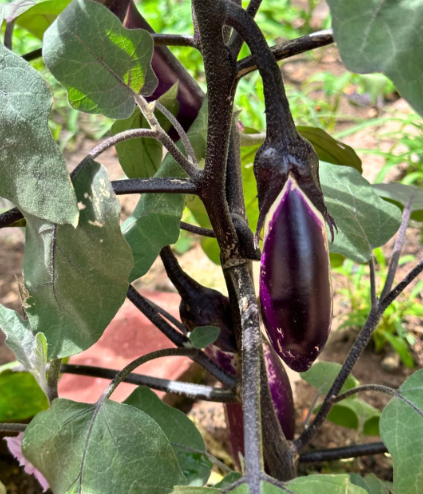
purple vegetables:eggplant
Eggplant is one of the few purple vegetables and a very common household vegetable on the dining table. Its purple skin contains abundant vitamin E and vitamin…
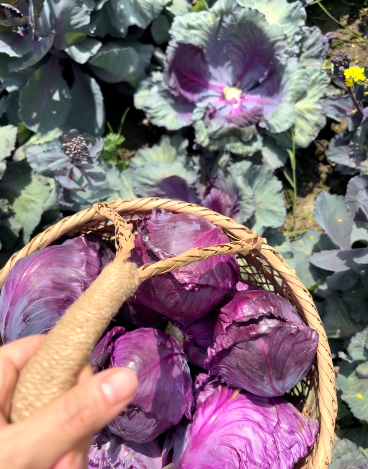
purple vegetables:red cabbage
Purple cabbage, also known as red cabbage or red broccoli, is a variety of Brassica oleracea var. capitata in the family Cruciferae and genus Brassica. Purple c…
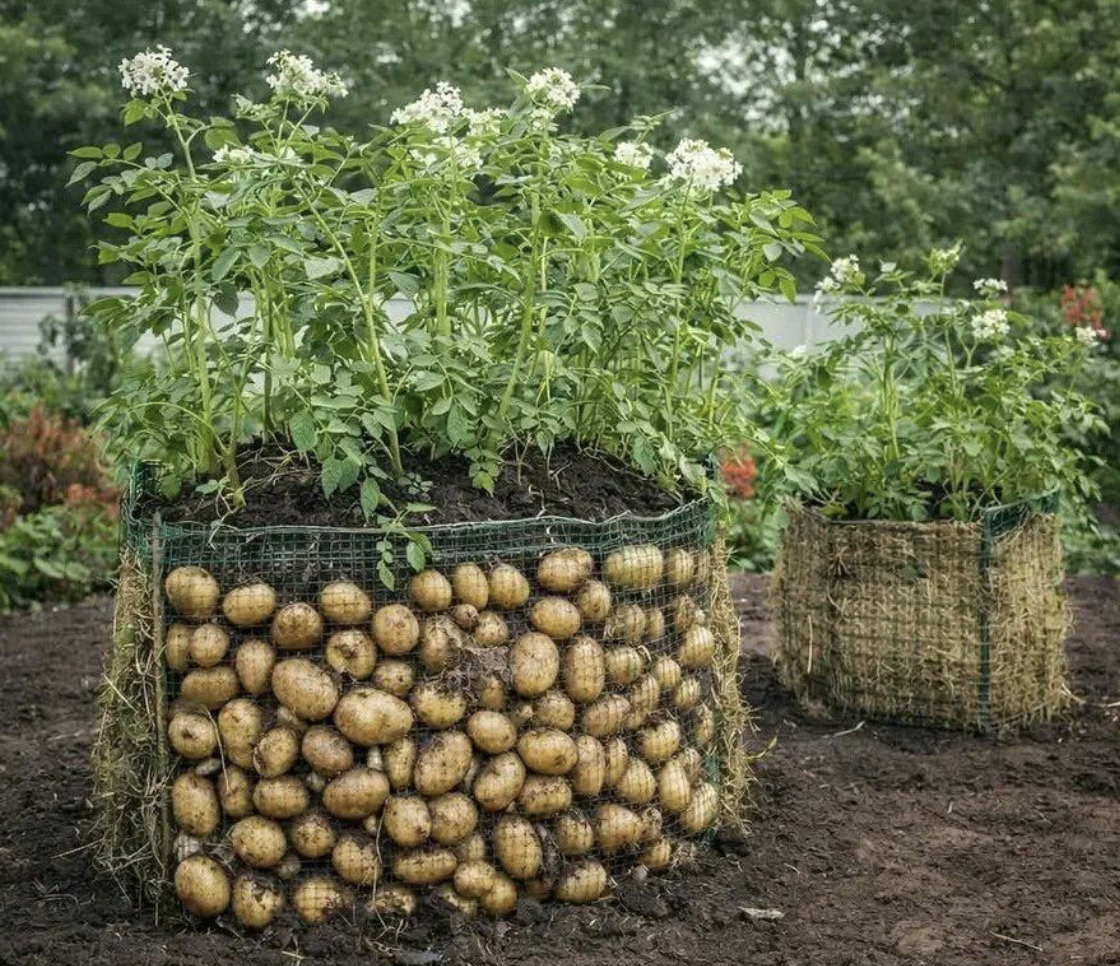
how to plant potatoes?
how to plant potatoes-如何种植土豆
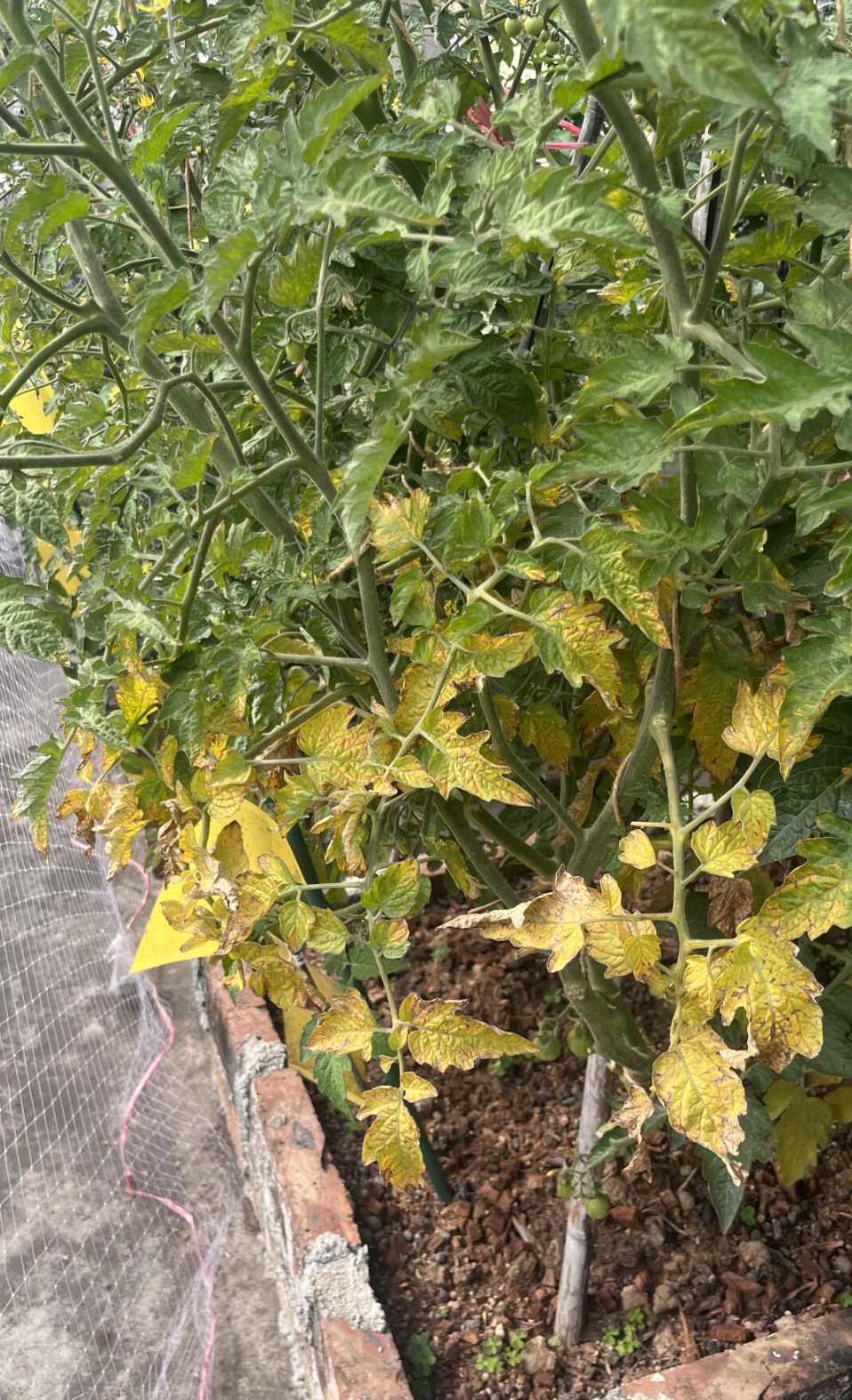
Why Are My Plant Leaves Turning Yellow? (7 Common Causes and How to Fix It)
If you’ve noticed your plant leaves turning yellow, you’re not alone. This is one of the most common problems plant owners face. Yellow leaves can happen for ma…

plant identification
plant identification Oxalis: A Versatile and Charming Plant with Diverse Forms Oxalis (commonly known as shamrock or sorrel) is a genus of flowering plants in…

Goldfish grass is a colorful girl's dream
To make the goldfish grass burst in the pot, the core is sufficient light, timely heart picking, frequent application of thin fertilizer, and post flower prunin…