What Plant Is This? A Practical Guide to Identifying Plants with Confidence
At some point, almost everyone has looked at a plant and wondered: “What plant is this?” Maybe you saw a beautiful flower while walking through your neighborhood, discovered an unfamiliar plant growing in your garden, or found a houseplant that came without a label. Plant identification has always been a challenge for beginners and even experienced gardeners. Fortunately, modern technology has made this process far easier than ever before.
Today, plant identification apps allow anyone to instantly discover the name, characteristics, and care requirements of almost any plant simply by taking a photo.
Why Identifying Plants Matters
Knowing what plant you are looking at is more important than many people realize. Proper identification helps you:
Understand how to care for the plant
Determine whether it is safe for pets or children
Detect diseases early
Prevent invasive species from spreading
Learn about the natural environment around you
For gardeners, plant identification can mean the difference between a thriving garden and a struggling one. Each species has its own needs—sunlight, watering schedule, soil conditions, and climate tolerance.
If you misidentify a plant, you might treat it incorrectly and cause unnecessary damage.
The Old Way vs. The Modern Way
Traditionally, identifying plants required thick field guides, botanical knowledge, or help from experts. You had to compare leaf shapes, flower structures, stem patterns, and seasonal changes. While this method can still be useful, it is time-consuming and difficult for most people.
Now, artificial intelligence has transformed plant identification. With a smartphone camera and the right app, the answer to “what plant is this?” can appear in seconds.
Using AI to Identify Plants
AI-powered tools analyze visual patterns in leaves, flowers, bark, and growth structures. These systems are trained on large botanical datasets and can recognize thousands of plant species.
One tool designed specifically for this purpose is Anthaly, a plant identification and plant health assistant available on iOS.
The goal of Anthaly is simple:
Help users instantly answer the question — what plant is this — and understand how to care for it.
How Anthaly Helps Identify Plants
Anthaly focuses on solving real problems plant lovers face every day. Instead of only giving a plant name, it also helps users understand the condition of the plant.
Key capabilities include:
1. Instant Plant Identification
Take a photo of a leaf, flower, or entire plant. The AI analyzes the image and provides the most likely species. This is especially helpful when encountering unfamiliar plants outdoors or identifying new plants in your home.
2. Plant Disease Detection
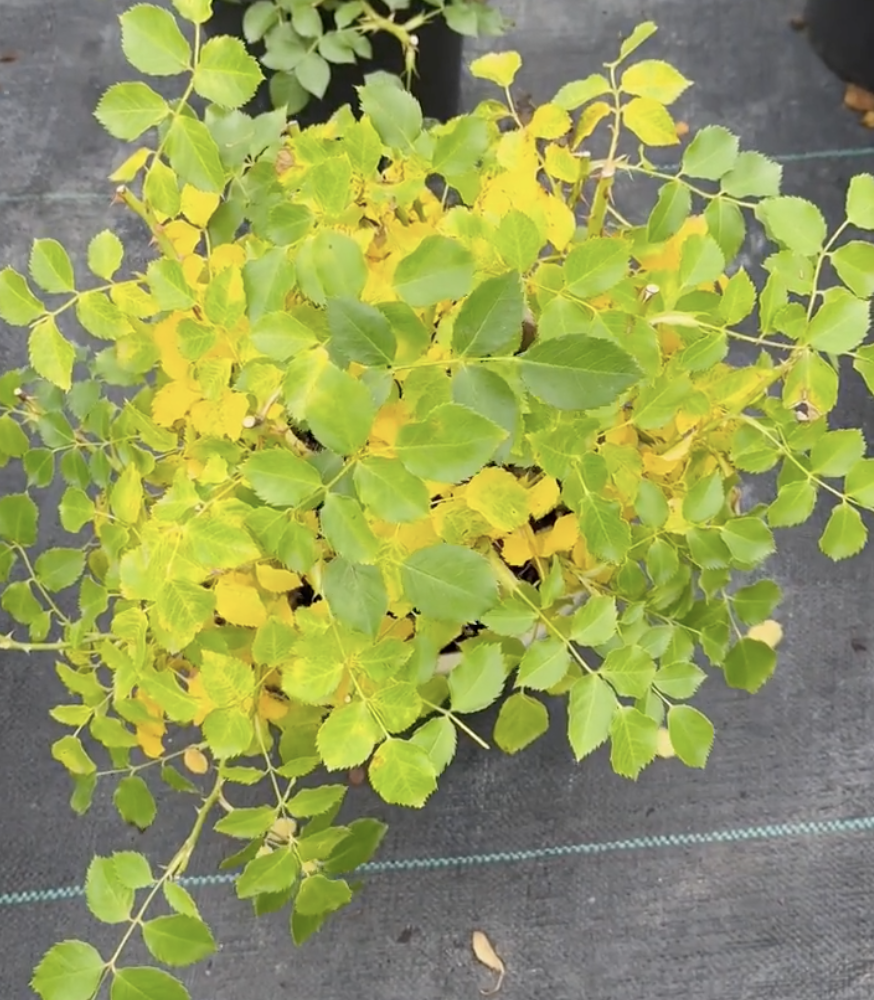
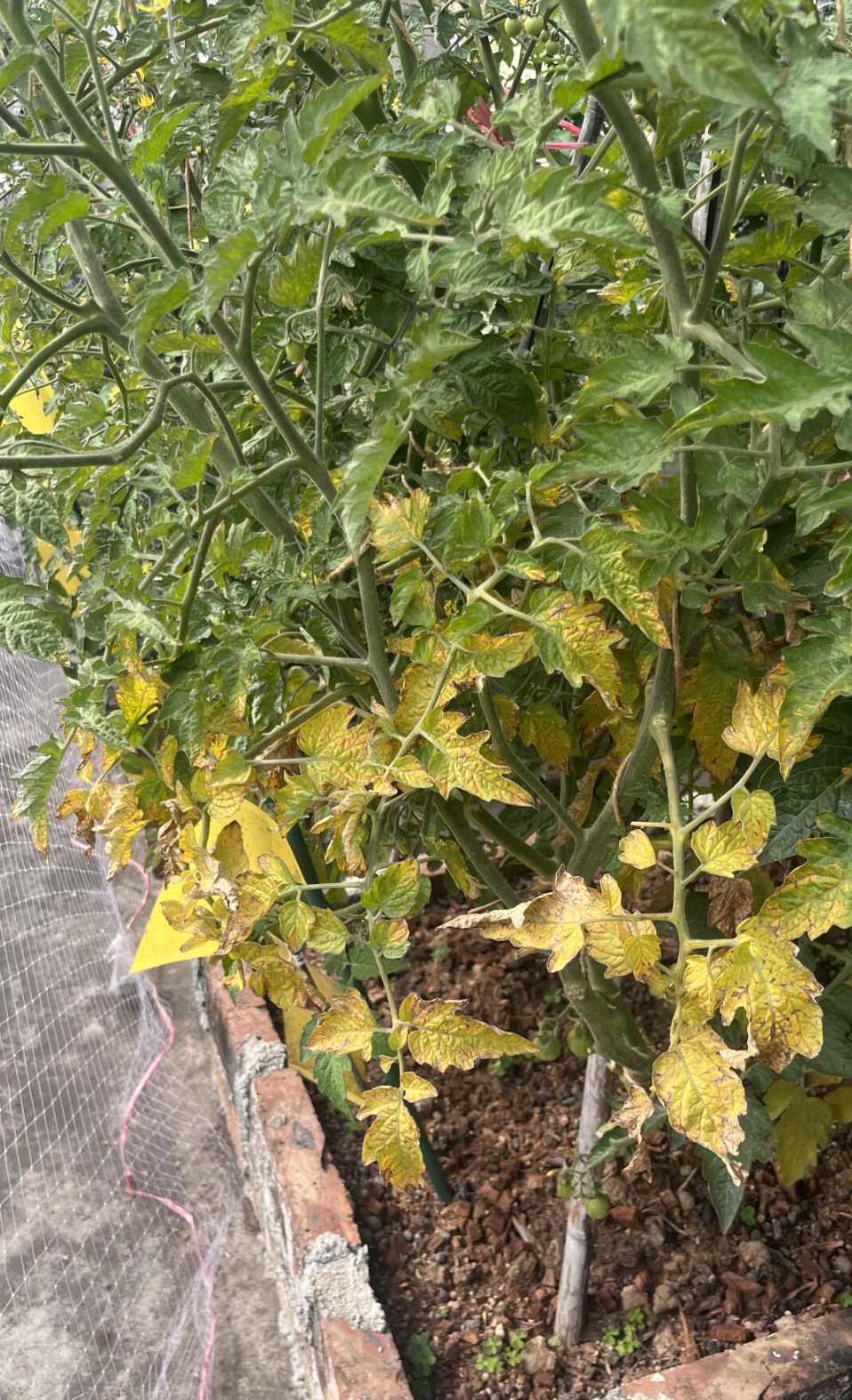
Plants often show subtle warning signs before serious damage occurs. Spots on leaves, discoloration, curling edges, or unusual growth patterns may indicate disease or pests.
Anthaly analyzes these visual symptoms and helps users recognize potential issues early.
3. Pest Diagnosis
Many plant problems come from insects that are difficult to identify. By scanning affected leaves or stems, users can better understand what might be harming their plant and take action sooner.
4. Simple Explanations
Instead of overwhelming users with technical botanical terms, Anthaly aims to provide practical explanations that everyday plant owners can understand.
A Common Real-World Scenario
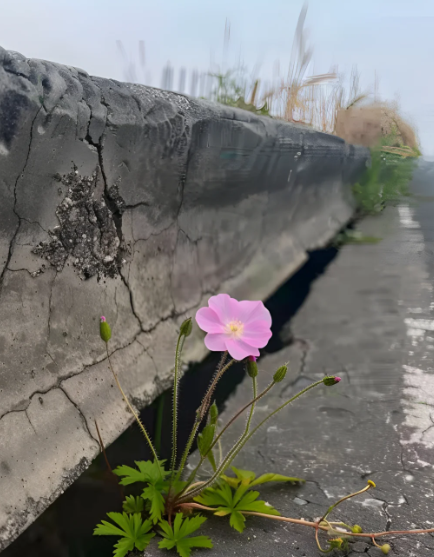
Imagine walking through your backyard and noticing a plant you didn’t remember planting. The leaves look interesting, but you are unsure whether it’s a weed, a wildflower, or something worth keeping.
You open Anthaly, take a quick photo, and within moments you have:
The plant name
Basic information
Possible care guidance
That mystery plant is no longer a mystery.
Indoor Plant Owners Benefit Too
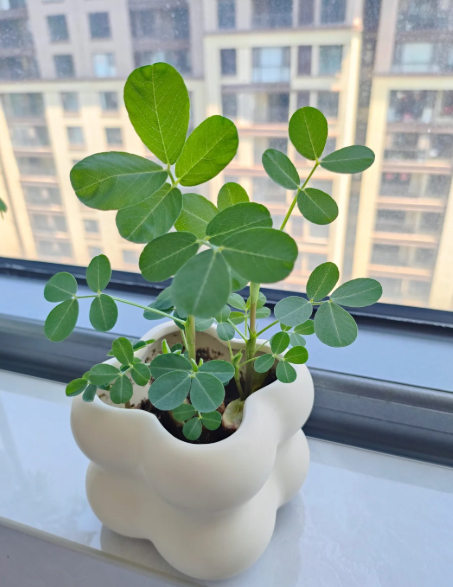
Houseplants have become extremely popular in recent years. However, many people purchase plants without fully understanding their care requirements.
This often leads to common questions:
Why are the leaves turning yellow?
Is this plant getting too much water?
Is this plant toxic to pets?
What plant is this?
A quick scan with a plant identification app can provide immediate clarity and help prevent plant loss.
Why Plant Health Detection Matters
Identification is only the first step. Plants can suffer from:
fungal infections
nutrient deficiencies
insect infestations
environmental stress
Early detection is critical. When caught early, many problems can be solved quickly.
Tools like Anthaly help bridge the gap between professional plant knowledge and everyday plant owners.
Designed for Simplicity
Many plant apps overwhelm users with too many features or complicated interfaces. Anthaly focuses on a straightforward workflow:
Open the app
Take a photo
Get results
Because it is currently available on iOS, it is optimized for the Apple ecosystem and designed to work smoothly on iPhones.
Learning About the World Around You
Plant identification is more than a gardening tool—it can change how you see the world. Parks, sidewalks, forests, and even abandoned lots are filled with fascinating plant species.
Once you start identifying plants, everyday walks become opportunities for discovery.
You begin to notice:
seasonal changes
native species
invasive plants
pollinator-friendly flowers
Curiosity naturally grows from a simple question:
What plant is this?
The Future of Plant Identification
Artificial intelligence is rapidly improving. Plant recognition tools are becoming faster, more accurate, and more helpful. Soon, identifying plants and diagnosing problems may be as common as checking the weather.
Apps like Anthaly represent a shift toward accessible knowledge—placing botanical insight directly in the hands of everyday people.
Whether you are a gardener, nature lover, homeowner, or simply curious, the ability to quickly answer “what plant is this?” makes exploring the plant world easier than ever.
If you have ever found yourself staring at a leaf, flower, or mysterious garden sprout and wondering what it might be, you are not alone. With the help of modern plant identification technology, the answer is now only a photo away.